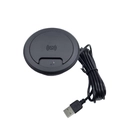
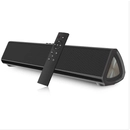
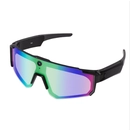
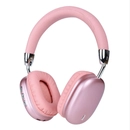
1. Industry Trends: The Evolution of WiFi Alexa Smart Speakers
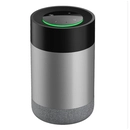
The smart speaker market is evolving as consumers increasingly expect connected devices to deliver convenience, personalized experiences, and seamless integration with their daily lives. WiFi Alexa smart speakers combine voice interaction, wireless audio, and smart home connectivity, making them an important product category for consumer electronics brands.
One major trend is the shift toward experience-driven consumption. Buyers are no longer evaluating speakers solely by sound output or price. Voice control, multilingual interaction, smart home compatibility, and intuitive app management are becoming important considerations when choosing connected audio products.
Product design is evolving as well. Compact structures, contemporary materials, and simple interfaces help smart speakers fit naturally into homes, bedrooms, kitchens, and workspaces. For brands, combining practical functionality with attractive industrial design can strengthen product positioning in competitive retail markets.
Social media and short-video commerce are also influencing product discovery. Platforms such as TikTok allow consumers to see how voice-controlled speakers interact with smart lighting and other connected devices. Demonstrations of everyday convenience can communicate product value more effectively than technical specifications alone.
Globally, demand for connected living products creates opportunities across Europe, Japan, South Korea, and Australia. However, market requirements differ in areas such as language support, wireless compliance, privacy expectations, and smart home ecosystems. Brands entering these markets need products that balance connectivity, usability, and regional suitability.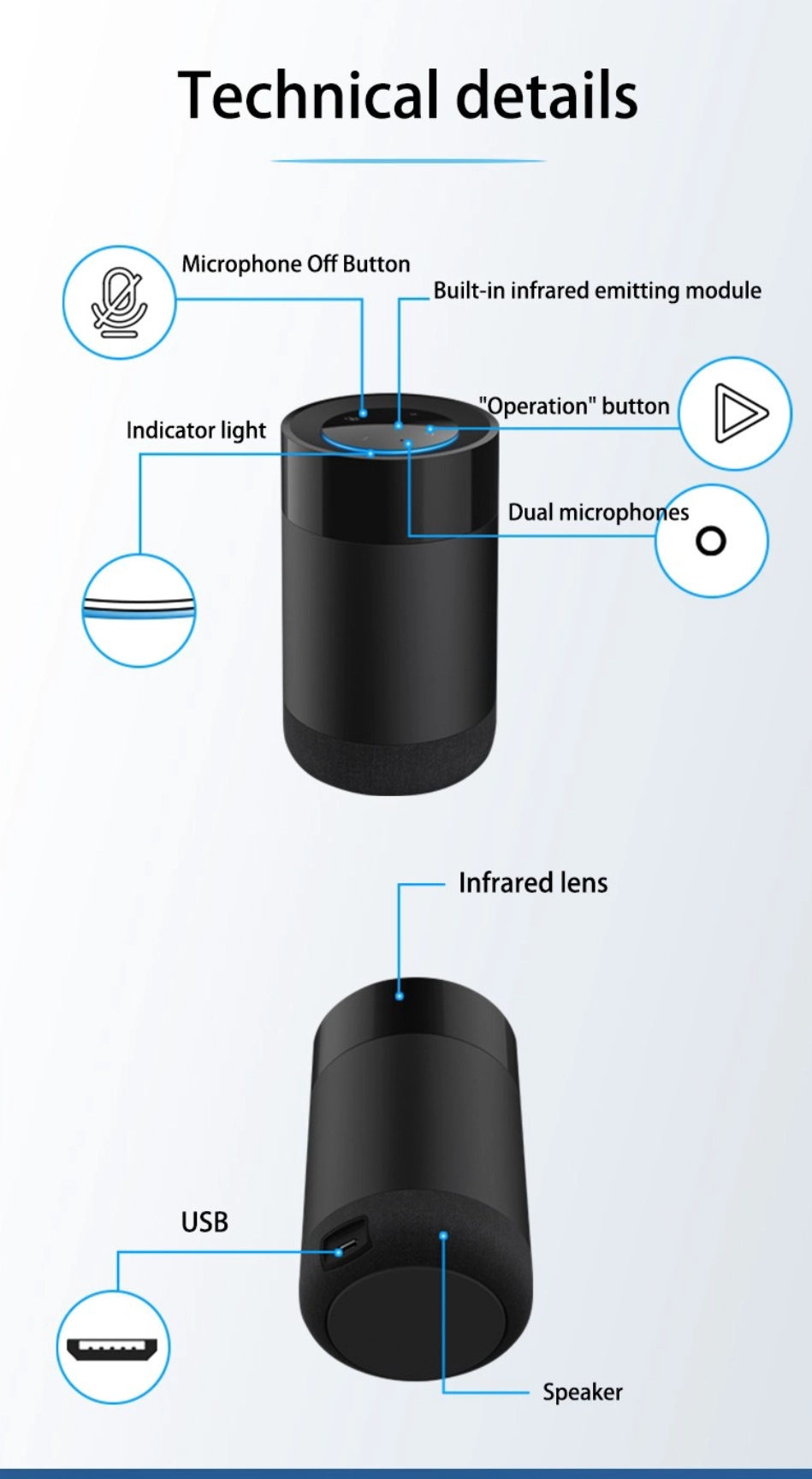
2. Market Pain Points: Competition Beyond Basic Specifications
Despite the opportunities, the smart speaker category faces several challenges.
Product homogenization is a major concern. Many products offer similar wireless connectivity and voice-control functions, making it difficult for brands to establish a recognizable identity. Without distinctive design or a clear use case, products risk competing primarily on price.
Price pressure is another challenge. Online marketplaces make product comparisons easy, encouraging buyers to evaluate multiple alternatives before purchasing. Brands must balance competitive pricing with dependable quality, practical features, and a consistent user experience.
Feature complexity can reduce usability. Smart speakers may need to work across voice assistants, mobile applications, WiFi networks, and compatible smart home devices. Inconsistent setup processes or unclear compatibility information can create frustration and increase after-sales support requirements.
Differentiation remains difficult. Adding more features does not automatically create a better product. Consumers value solutions that address specific needs, such as convenient voice interaction, accessible smart home control, multilingual use, or audio products designed for particular lifestyles.
For manufacturers and brands, the challenge is to translate technology into benefits that customers can easily understand and use.
3. Market Opportunities: Building More Distinctive Smart Audio Products
Smart Home Integration and Everyday Convenience
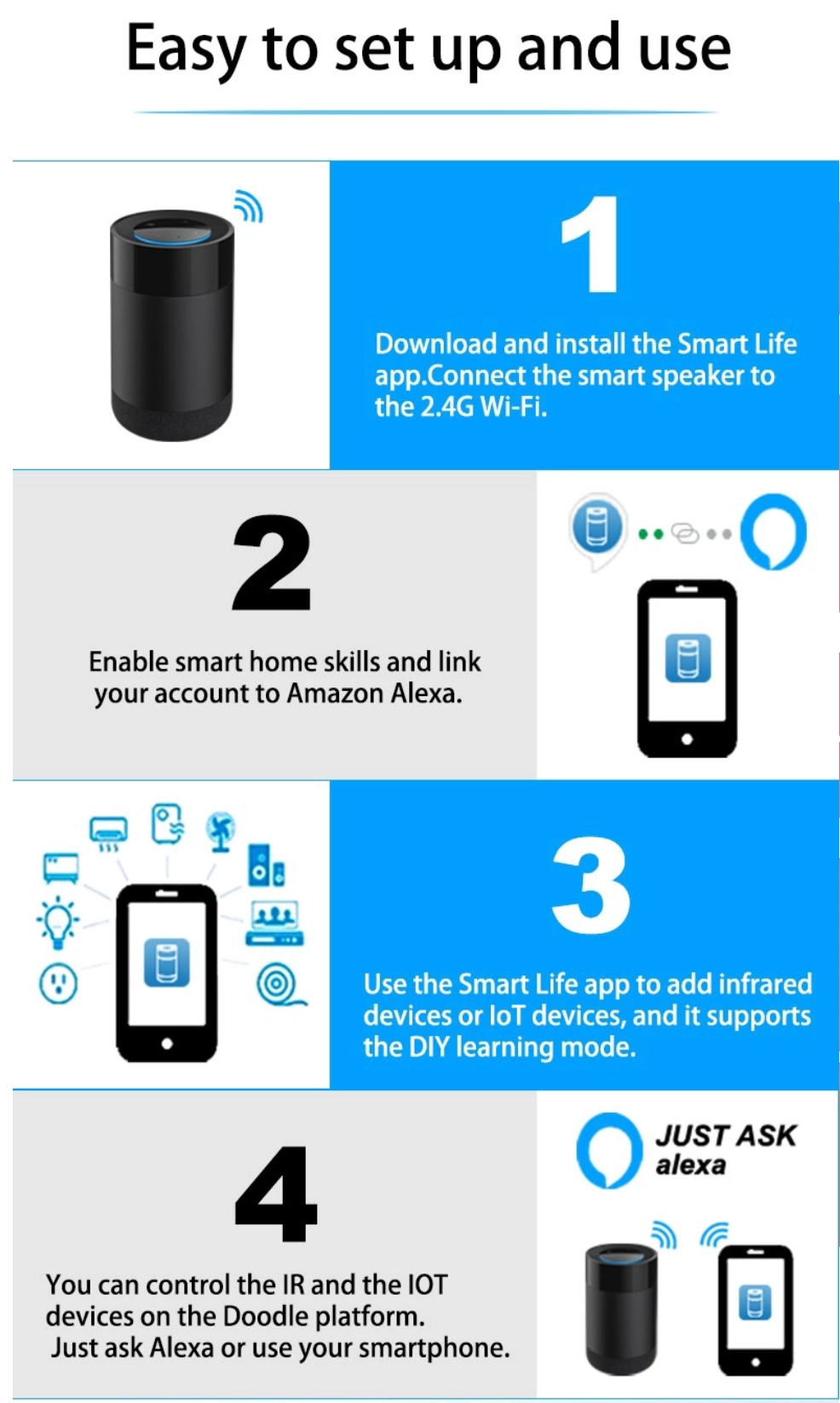
WiFi Alexa smart speakers can serve as voice-control interfaces for compatible smart home devices. Integration with supported Tuya products, for example, can help users manage connected home functions through a more convenient interaction model. Actual compatibility depends on device support, account configuration, software, and regional availability.
For brands, the opportunity lies in offering products that fit naturally into existing smart home routines rather than treating the speaker as an isolated audio device.
Lifestyle Audio and Creative Product Design
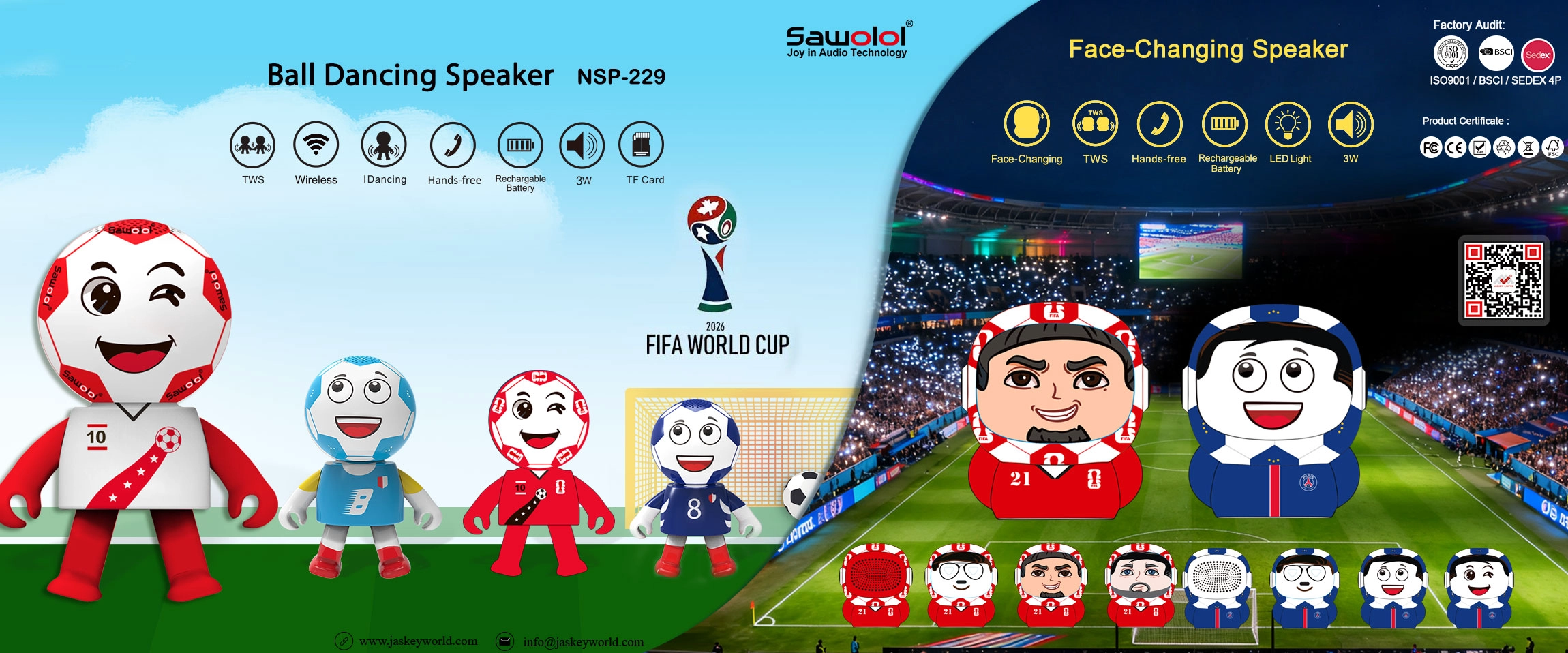
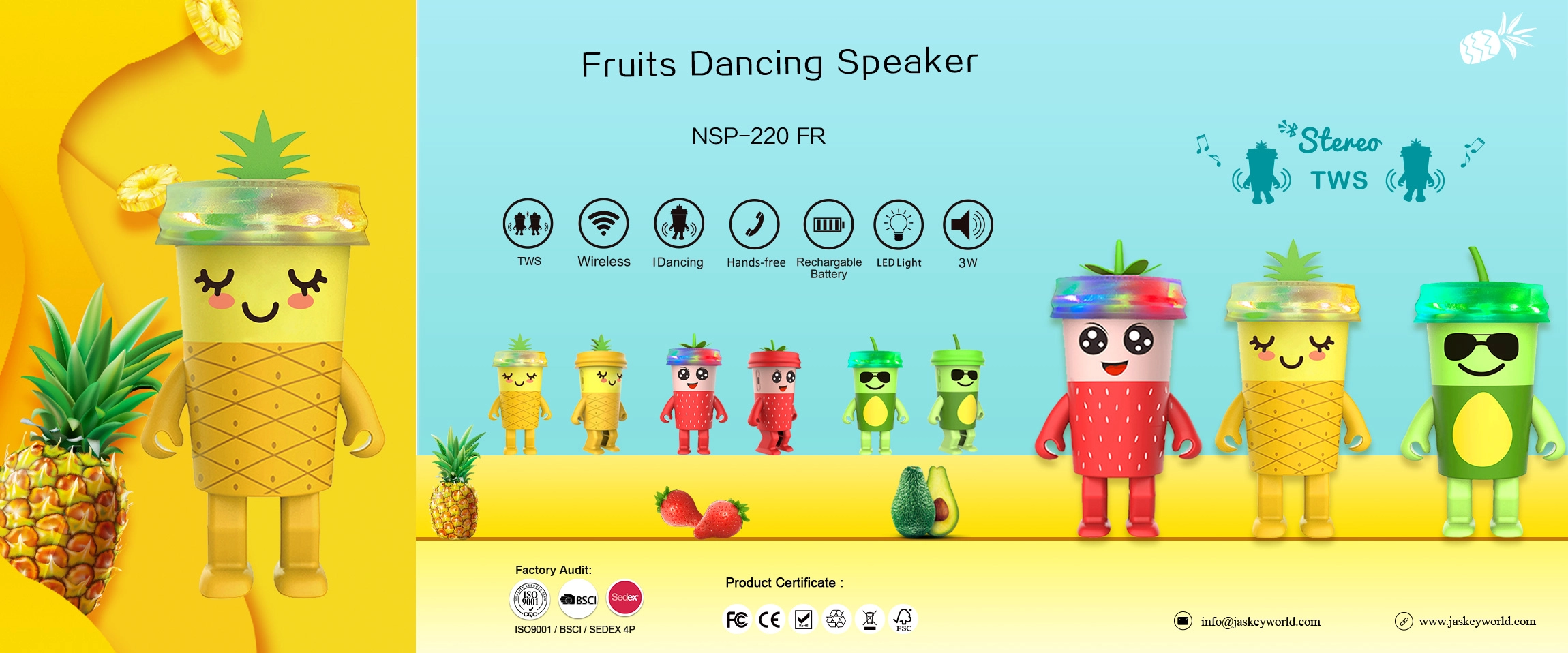
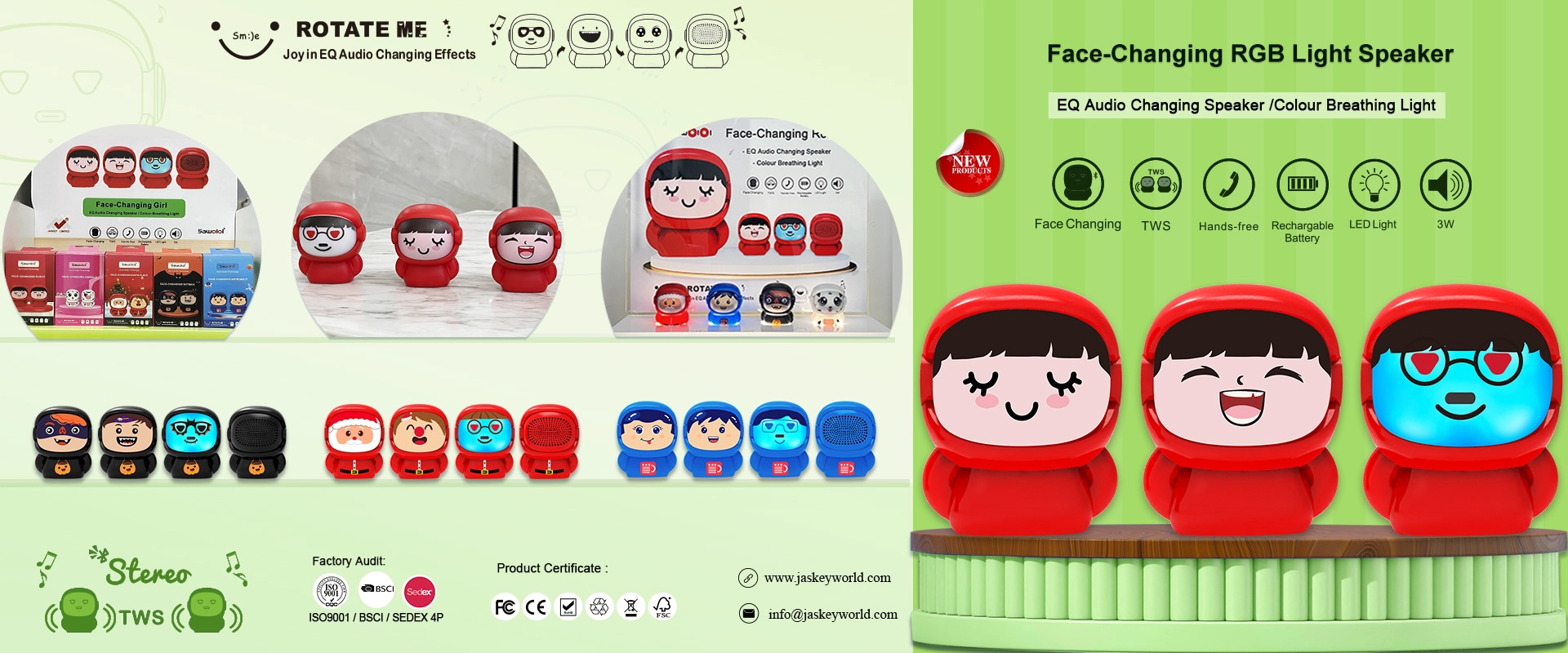
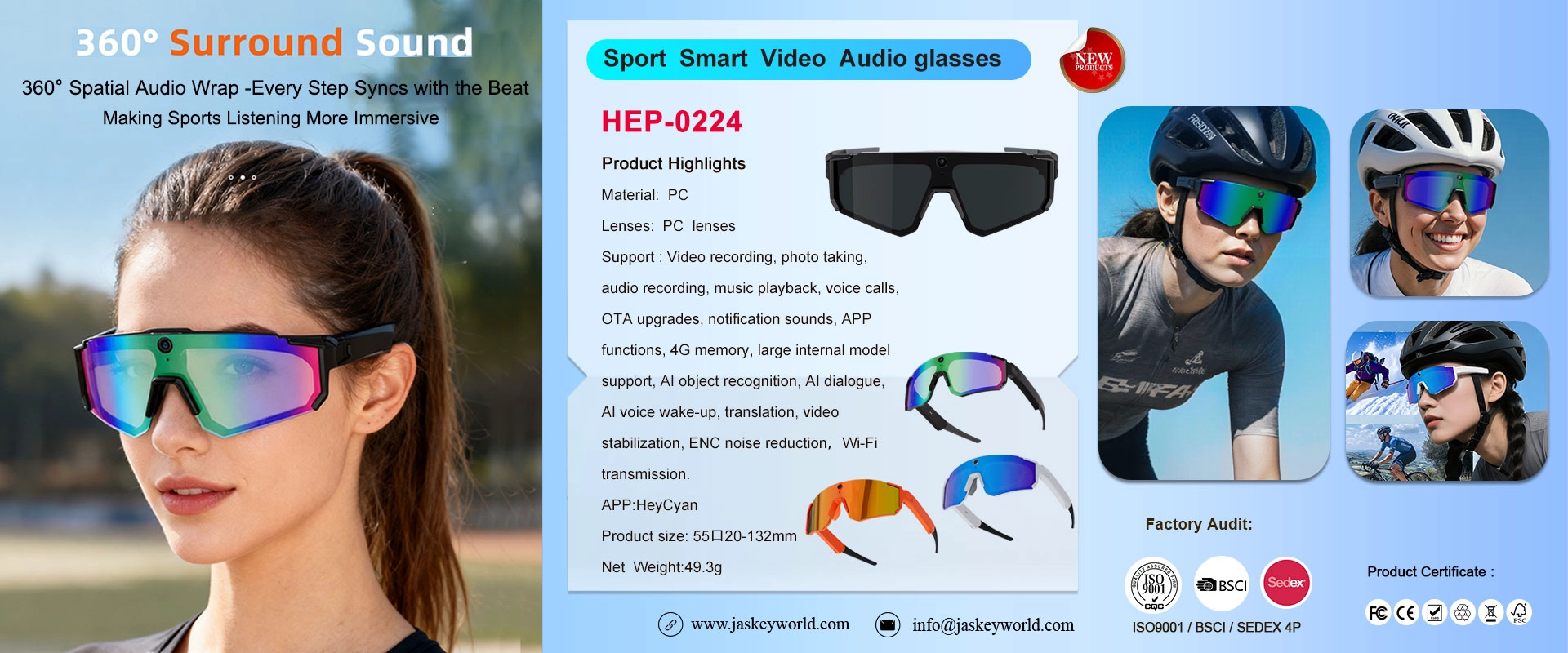
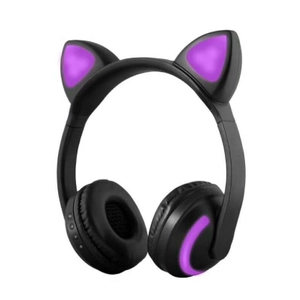
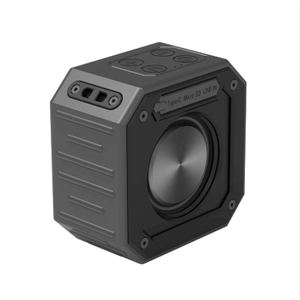
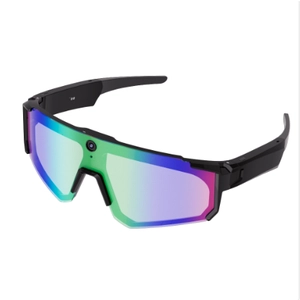
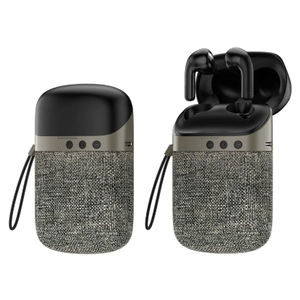
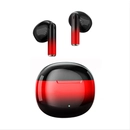
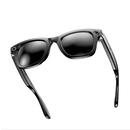
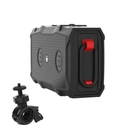
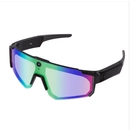
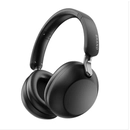
The wider audio market also demonstrates the appeal of lifestyle-oriented products, including dancing Bluetooth speakers, character speakers, and wearable audio devices. These products offer differentiation through visual design, entertainment, and gift appeal.
Although lifestyle speakers and WiFi smart speakers serve different needs, both illustrate an important product strategy: functionality becomes more compelling when combined with a clear identity and relevant user experience.
E-Commerce and Short-Video Marketing
Amazon, TikTok Shop where available, and Shopify-based brand stores provide different routes to reach consumers. Product demonstrations can show voice commands, app control, smart home interactions, and practical use cases in a short, understandable format.
For e-commerce brands, clear product descriptions, compatibility guidance, demonstration videos, and accurate feature claims can help customers make informed decisions. Seasonal campaigns and gifting periods may also create opportunities for smart audio products positioned around convenience and connected living.
Private Label and OEM/ODM Development
Private label and OEM/ODM programs allow brands to develop products aligned with their target audiences, price points, and sales channels. Potential areas of differentiation include enclosure design, material selection, packaging, app experience, language support, and selected feature configurations.
The most effective opportunities come from identifying a specific customer need before deciding which technical features to include.
 4. Manufacturer Value: Turning Product Concepts into Market-Ready Solutions
An experienced consumer electronics OEM/ODM manufacturer can contribute across the product development process, from early concept evaluation to production planning.
Product research and development help assess technical feasibility, component availability, connectivity requirements, and potential integration challenges. Early validation can reduce unnecessary redesign and support more efficient development timelines.
Industrial design and innovation help create products that balance appearance, usability, material selection, and manufacturing requirements. For smart speakers, the enclosure, control layout, and interaction design all influence the overall product experience.
OEM, ODM, and private label customization enable brands to align products with their positioning and distribution strategies. Depending on the project, customization may cover exterior design, branding, packaging, selected hardware configurations, and supported software features.
Supply chain management and cost control are equally important. Component sourcing, production planning, quality inspections, and supplier coordination influence product consistency, cost structure, and delivery reliability. A well-managed process helps brands balance commercial objectives with quality expectations.
Global market adaptation requires more than translating product packaging. Products intended for Europe, Japan, South Korea, and Australia may need market-specific assessments covering radio and electrical compliance, labeling, language requirements, privacy considerations, and local smart home compatibility. Applicable requirements should be verified for each product and destination market.
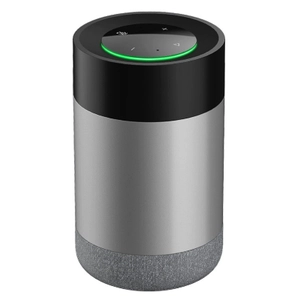
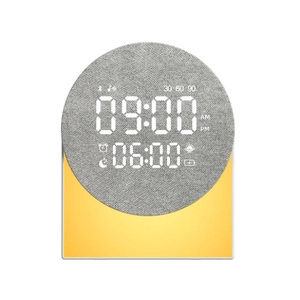
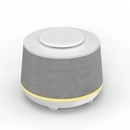
For example, a WiFi Alexa smart speaker featuring a 5W speaker, app-based control, 2.4GHz connectivity, and support for compatible Tuya smart home devices may suit projects focused on accessible connected living. Its commercial potential will depend on real-world performance, software support, interoperability, and the needs of the intended customer segment.
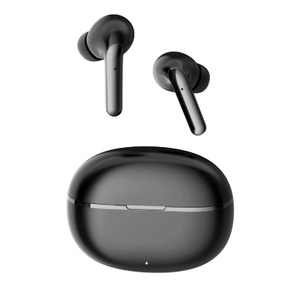
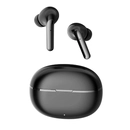
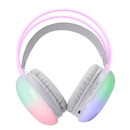
Since 2008, Jaskey Limited has focused on consumer electronics product development, industrial design, and manufacturing, including Bluetooth speakers, headphones, audio glasses, and smart audio products. Experience serving international markets provides a foundation for understanding the importance of product differentiation, quality management, and market-specific requirements.
5. Conclusion: A More Experience-Driven Future for Smart Audio
The WiFi Alexa smart speaker market is moving beyond basic wireless audio toward connected experiences, intuitive voice interaction, and products that fit modern lifestyles. At the same time, competition makes product differentiation, dependable quality, and market adaptation increasingly important.
For brands, retailers, and e-commerce businesses, success depends on selecting relevant features, understanding customer expectations, and presenting clear product value. For manufacturers, the opportunity is to combine R&D, industrial design, customization, and supply chain capabilities to support commercially viable products.
Businesses exploring smart audio development can benefit from evaluating OEM/ODM projects, private label opportunities, and distribution partnerships around specific market needs. A practical starting point is to define the target customer, required ecosystem compatibility, expected price range, and destination markets before moving into product development.