1. Industry Trends: The Evolution of Wearable Bluetooth Speakers
The portable audio market is evolving as consumers increasingly seek products that combine entertainment, convenience, personal style, and everyday functionality. Wearable Bluetooth speakers represent an emerging product direction within this shift, offering an alternative to traditional portable speakers and personal headphones.
From Audio Performance to Lifestyle Experiences
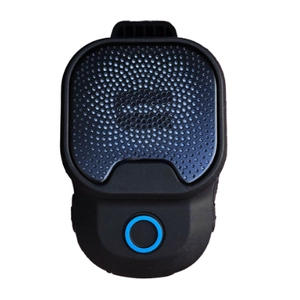
Consumers are increasingly influenced by lifestyle-driven purchasing decisions. Beyond sound quality and battery life, they consider how easily an audio product fits into outdoor activities, cycling, travel, exercise, and social gatherings. Wearable Bluetooth speakers address these needs through compact designs, clip-on structures, and hands-free listening experiences.
For brands and retailers, this creates opportunities to develop products that serve specific usage scenarios rather than compete solely on audio specifications or price.
Portable, Smart and Interactive Product Design
Product design is becoming a key differentiator in consumer electronics. Lightweight materials, convenient attachment mechanisms, USB-C charging, water resistance, and wireless connectivity are important considerations for wearable audio products.
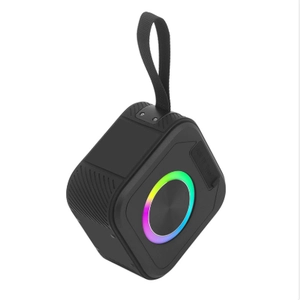
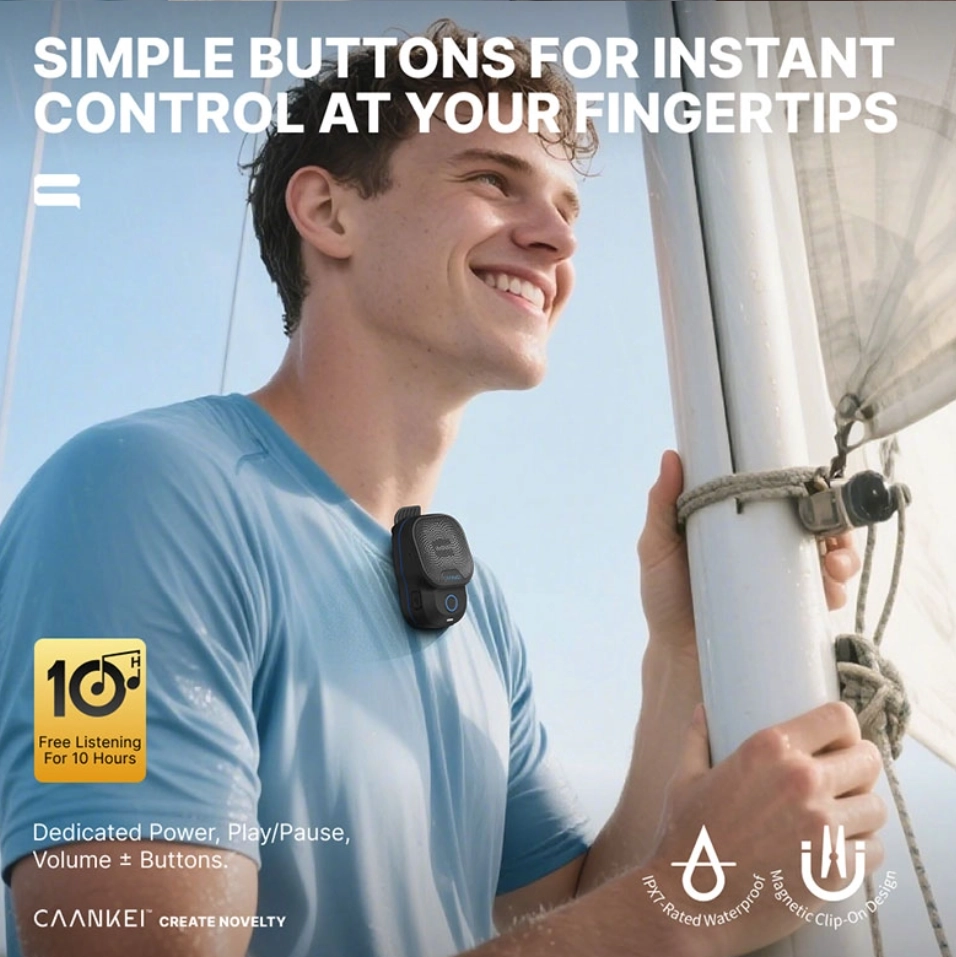
Bluetooth 5.4 connectivity, TWS interconnection, and hands-free calling can help improve the everyday usability of wearable Bluetooth speakers. For example, a compact speaker featuring a 33 mm driver, 4 W RMS output, and a rechargeable 600 mAh battery can provide a practical balance between portability and audio functionality.
Waterproof specifications also require careful positioning. Products should be marketed according to their verified protection ratings and tested performance, helping buyers understand their suitability for different environments.
Social Media and Global Market Changes
TikTok, Instagram Reels, YouTube Shorts, and other short-video platforms influence how consumers discover new electronic products. Compact speakers with distinctive designs and visible everyday uses can be particularly suitable for demonstration-based content.
At the same time, consumer electronics brands must adapt to different regional expectations. Buyers in Europe, Japan, South Korea, and Australia may prioritize different combinations of design, usability, durability, packaging, and product quality. Understanding these differences is essential when planning wearable audio product portfolios.
2. Market Pain Points: Challenges Facing Audio Brands
Despite growing interest in portable and lifestyle-oriented electronics, wearable Bluetooth speaker businesses face several challenges.
Product homogenization remains a major concern. Many portable speakers share similar shapes, colors, and basic connectivity features. When products offer few noticeable differences, consumers may compare them primarily by price.
Intense price competition creates additional pressure for distributors, retailers, and online sellers. Competing exclusively through discounts can reduce margins and make long-term brand development more difficult.
Limited product innovation is another obstacle. Adding Bluetooth connectivity or changing exterior colors may not create sufficient differentiation if the overall user experience remains unchanged.
Brands also face challenges in communicating product value. If customers cannot immediately understand how a wearable speaker differs from a conventional portable speaker, its practical benefits may be overlooked.
For businesses selling through online marketplaces, these challenges affect product positioning, advertising efficiency, conversion rates, and customer retention. Successful product development therefore requires a combination of functional improvements, distinctive industrial design, and clear communication of use cases.
3. Market Opportunities: Where Wearable Audio Can Grow
Lifestyle Audio and Creative Product Concepts
One opportunity lies in developing audio products around specific lifestyles. Wearable Bluetooth speakers can target outdoor enthusiasts, cyclists, travelers, casual exercisers, and consumers who prefer shared listening in suitable environments.
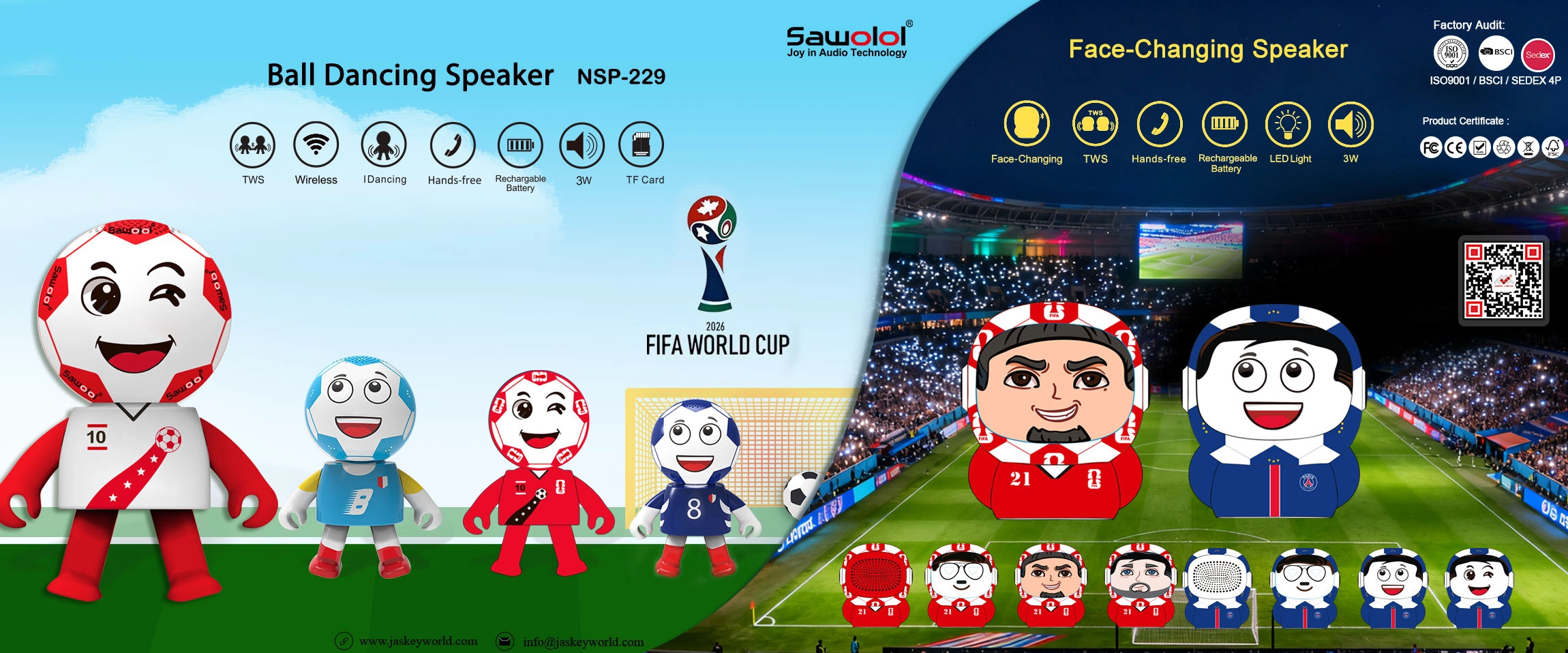
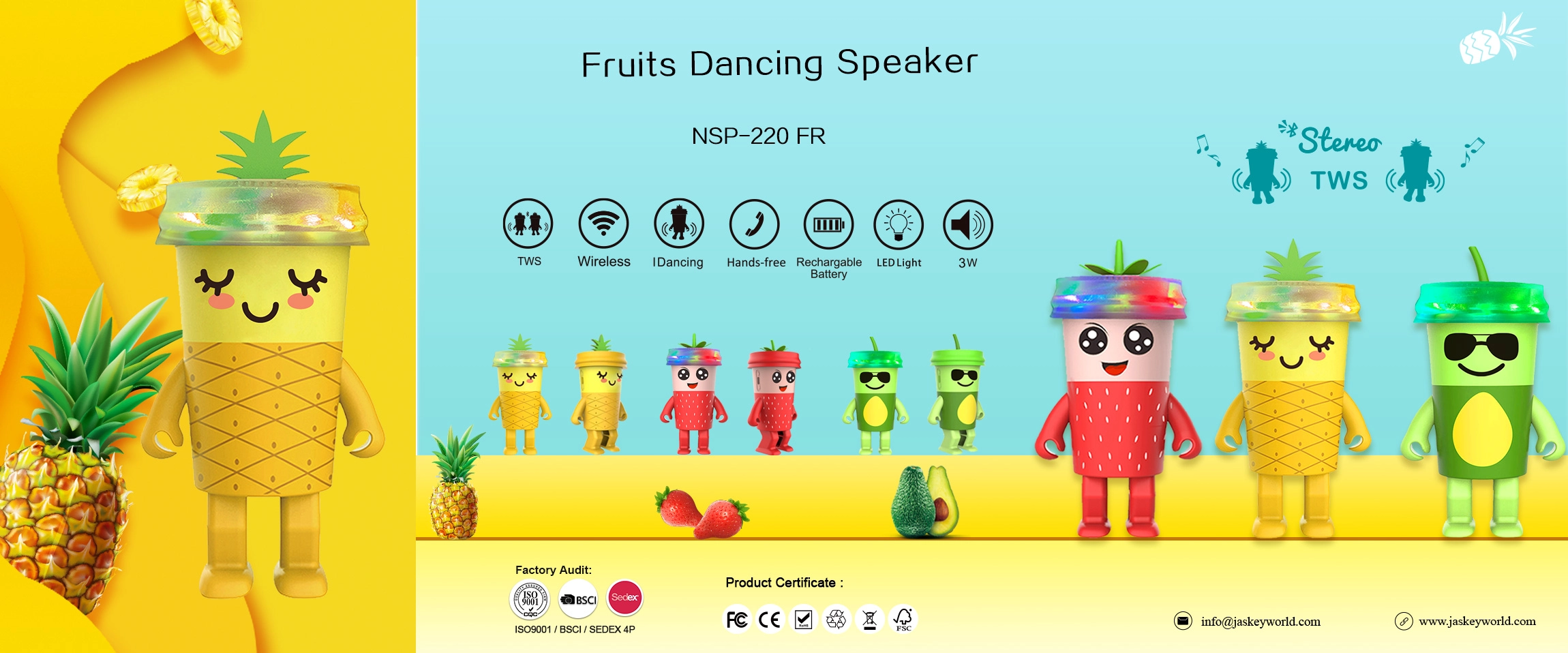
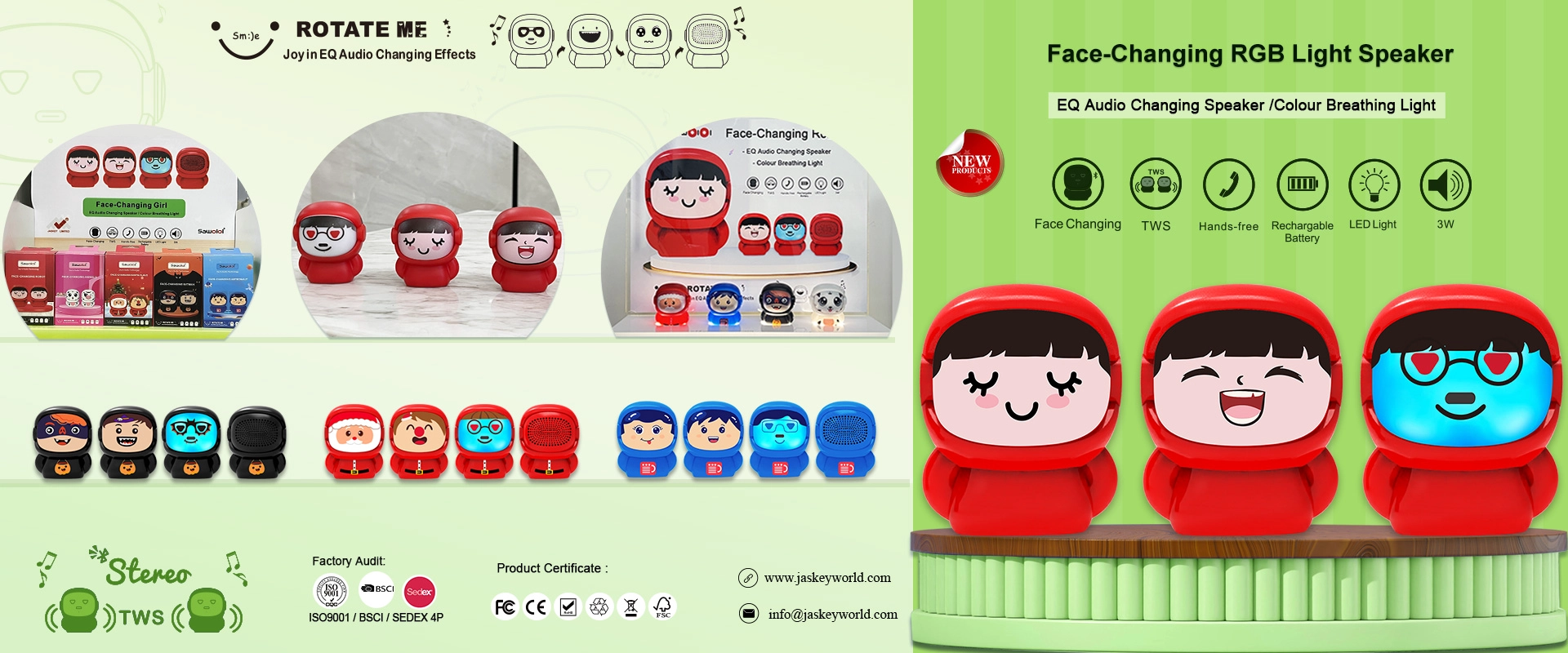
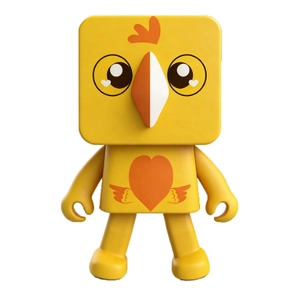
Creative audio products, including dancing speakers, novelty speakers, and compact lifestyle speakers, demonstrate how product design and entertainment value can complement core audio functionality.
For wearable speakers, practical features such as clip-on attachment, hands-free calling, TWS connectivity, and water resistance can help establish a clear market position. Brands can build product collections around outdoor activities, travel accessories, everyday carry products, or lifestyle gifts.
E-Commerce and Short-Video Commerce
Amazon, TikTok Shop, and Shopify provide different routes to market for consumer electronics businesses. Marketplaces support product discovery and purchase, while independent online stores allow brands to develop their own identity, customer relationships, and product collections.
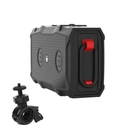
Short videos can demonstrate how a speaker attaches to a backpack or bicycle, how its controls work, and how it fits into daily activities. This visual approach may help communicate product benefits more effectively than specification lists alone.
For sellers, the opportunity is not simply to launch another Bluetooth speaker. It is to create a product with a recognizable purpose, a clear audience, and content that explains its advantages.
Gifts, Private Label and Seasonal Demand
Compact audio products can also fit gift-oriented retail categories, including holiday gifts, travel accessories, promotional products, and lifestyle electronics. Distinctive designs and customizable packaging can help retailers develop seasonal collections and targeted product bundles.
Private-label and OEM/ODM programs offer another route for businesses seeking differentiated products without establishing their own manufacturing facilities. The key is to balance customization, production cost, quality requirements, and expected sales volume.
 4. Manufacturer Value: Turning Product Ideas into Market-Ready Solutions
An experienced consumer electronics manufacturer contributes more than production capacity. Its development capabilities can influence product differentiation, launch schedules, quality consistency, and commercial viability.
Product R&D and Rapid Development
Research and development teams can evaluate product structures, electronic components, connectivity, battery performance, and functional requirements during early development. Efficient prototyping and testing help identify potential issues before mass production.
For wearable Bluetooth speakers, this may involve optimizing clip structures, controlling product weight, evaluating sound performance, and verifying charging and water-resistance requirements.
Industrial Design and Customization
Industrial design helps translate market insights into recognizable products. Material selection, dimensions, colors, control layouts, and attachment methods all influence usability and perceived value.
OEM, ODM, and private-label services allow businesses to select suitable customization levels, from branding and packaging to product appearance and functional development. Clear project specifications help align product features with the intended market and budget.
Supply Chain Stability and Cost Control
Reliable sourcing, production planning, component management, and quality control are essential for maintaining consistent product performance and delivery schedules.
Manufacturers can help evaluate component alternatives, manufacturing processes, and production quantities to manage costs without compromising agreed quality standards. These capabilities are particularly important for brands operating across multiple sales channels.
Global Market Adaptation
For products targeting the EU, Japan, South Korea, and Australia, manufacturers need to consider applicable regulatory requirements, product safety, labeling, packaging, documentation, and local consumer expectations.
Depending on the product and destination, relevant requirements may include applicable radio equipment, electrical safety, battery transport, and environmental compliance rules. Buyers should verify the requirements for each target market rather than assume that one certification covers every destination.
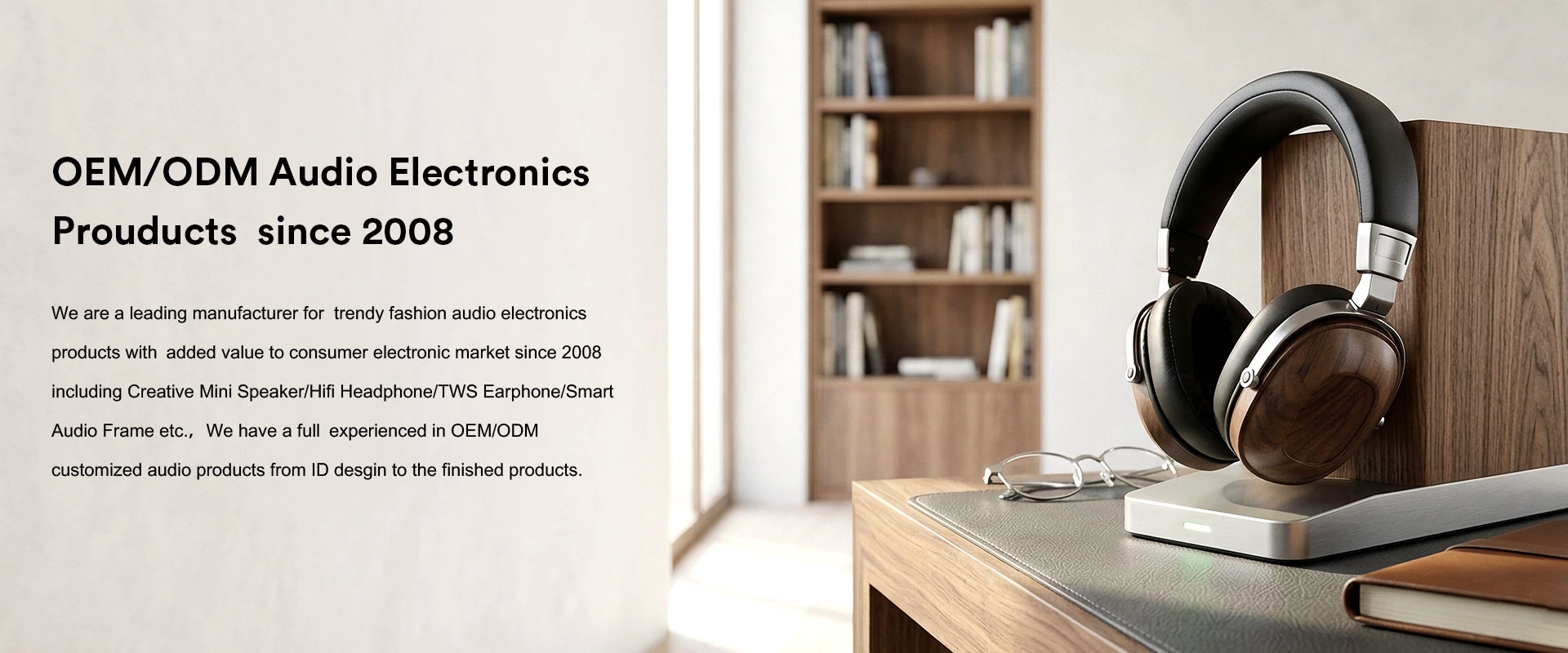
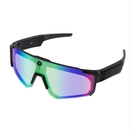
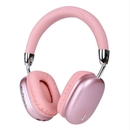
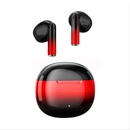
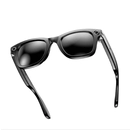
Since 2008, Jaskey Limited has focused on consumer electronics, including Bluetooth speakers, headphones, audio glasses, and smart audio products. Its integrated capabilities in product development, industrial design, and manufacturing reflect the role that coordinated OEM/ODM development can play in serving international brands, distributors, and retailers.
5. Conclusion: Building the Next Generation of Wearable Audio Products
Wearable Bluetooth speakers reflect a broader shift toward portable, lifestyle-driven consumer electronics. As competition increases, brands need more than basic connectivity and competitive pricing. Distinctive design, practical functionality, reliable quality, and relevant marketing content are increasingly important to product positioning.
For importers, distributors, retailers, and e-commerce sellers, wearable audio offers opportunities to explore new customer segments and develop differentiated product lines. Working with an experienced manufacturing partner can support product development, private-label customization, supply chain coordination, and adaptation to international markets.
Businesses exploring wearable Bluetooth speakers can consider collaboration opportunities in product development, OEM/ODM manufacturing, and distribution to identify solutions that align with their target customers and long-term market strategy.