The Bluetooth headphone market is evolving from a specification-driven category into a more experience-driven segment of consumer electronics. Buyers increasingly expect wireless audio products to combine convenience, comfort, visual appeal, and lifestyle compatibility rather than simply deliver basic sound performance.
For brands, retailers, distributors, and e-commerce sellers, this shift is creating new opportunities while also increasing competition. Product differentiation, industrial design, user experience, and flexible product development are becoming increasingly important factors when building a competitive audio portfolio.
1. Industry Trends in Bluetooth Headphones
One of the most noticeable changes in the audio market is the move toward experience-driven and lifestyle-driven products. Consumers use headphones while commuting, working, exercising, traveling, studying, and relaxing. As a result, product design needs to address different daily scenarios rather than focus exclusively on technical specifications.
Portability is another important direction. Wireless headphones eliminate cable limitations and provide greater freedom for everyday use. Bluetooth 5.4 solutions can support stable wireless connectivity for compatible devices, while compact and lightweight designs help headphones fit naturally into modern lifestyles.
Product design is also becoming more important. Consumers are exposed to new products through TikTok, Instagram, YouTube Shorts, and other short-form content platforms. Visually distinctive products can attract attention quickly, making color, shape, materials, and overall product identity increasingly relevant to purchasing decisions.
For global brands, this means a Bluetooth headphone is no longer simply an electronic accessory. It can become part of a broader lifestyle and brand experience.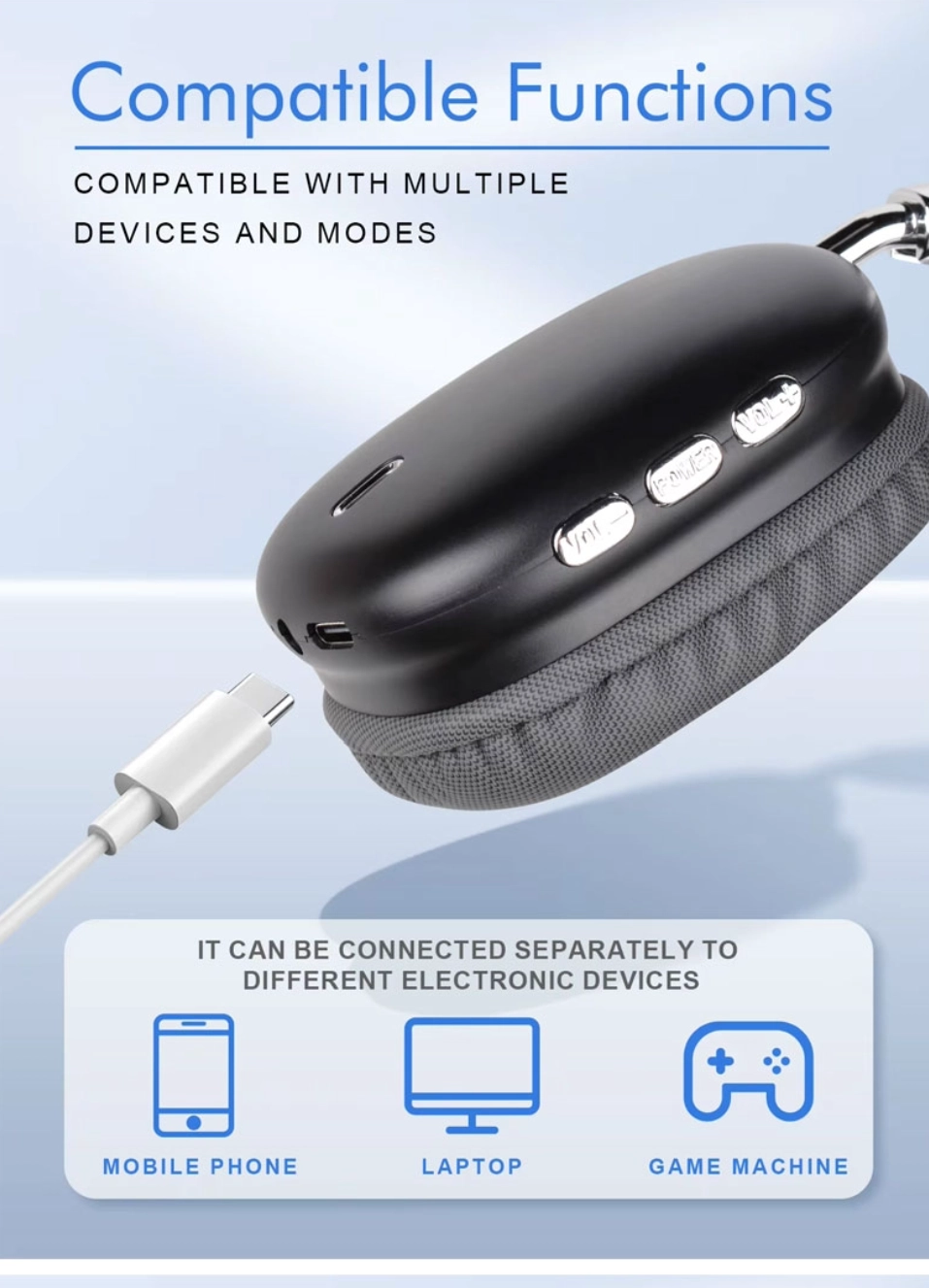
2. Market Pain Points: Homogenization and Price Competition
Despite strong consumer interest in wireless audio, the market presents several challenges.
Product homogenization is one of the most common issues. Many Bluetooth headphones share similar functions, materials, and basic specifications. When products look and perform similarly, brands can find it difficult to establish a recognizable market position.
Price competition creates another challenge. Competing primarily on price can reduce margins while making long-term brand differentiation more difficult. At the same time, consumers are becoming more attentive to comfort, design, battery performance, connectivity, and overall usability.
Another pain point is the lack of meaningful product innovation. Adding specifications does not necessarily create a better consumer experience. Successful products increasingly need a clear reason for existing—whether through design, functionality, portability, customization, or a specific lifestyle application.
For brands entering or expanding within the Bluetooth headphone category, the challenge is therefore not simply finding a product with competitive specifications. It is developing a product that has a clear market identity.
3. Market Opportunities for Bluetooth Headphone Brands
Product innovation provides several potential directions for businesses operating in the global audio market.
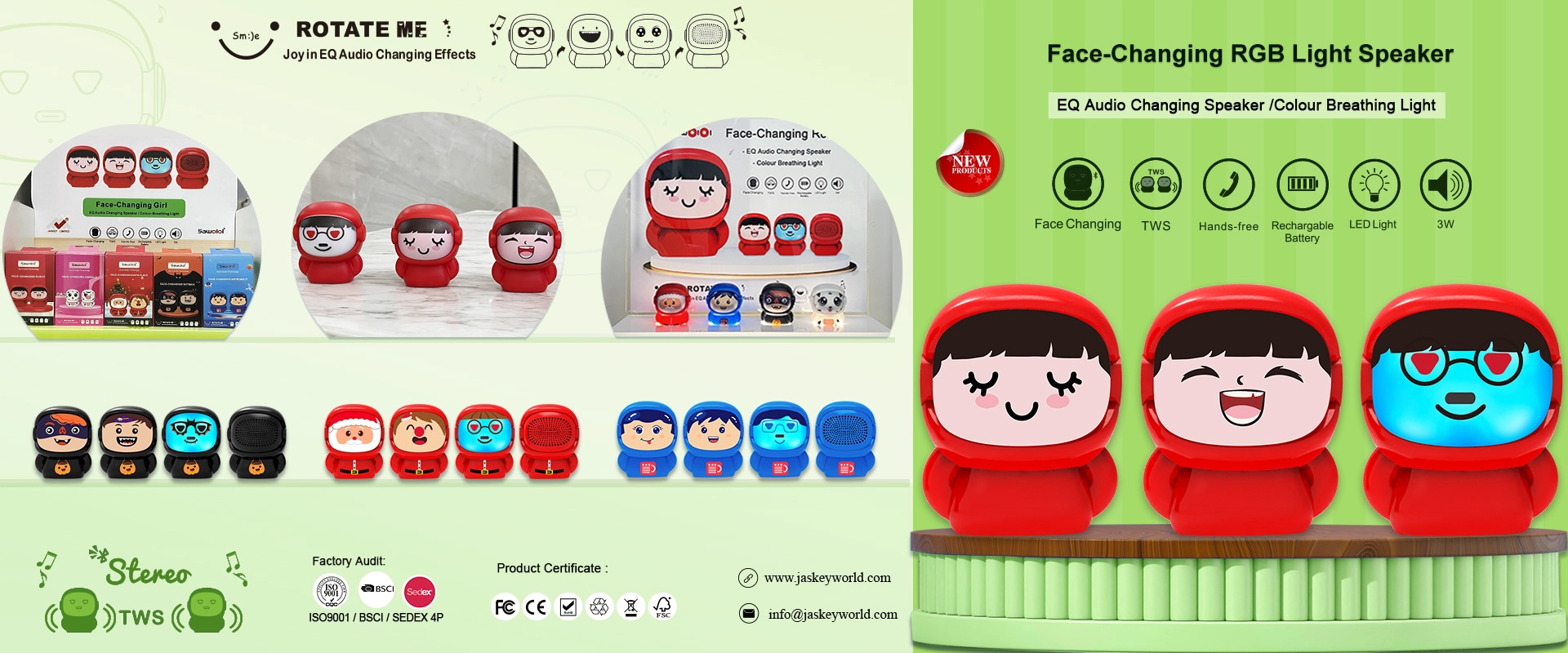
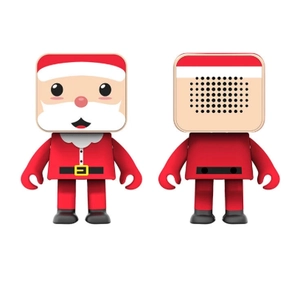
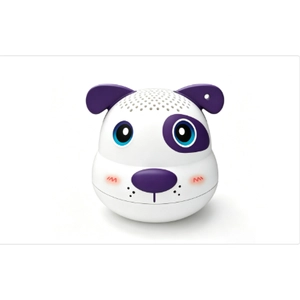
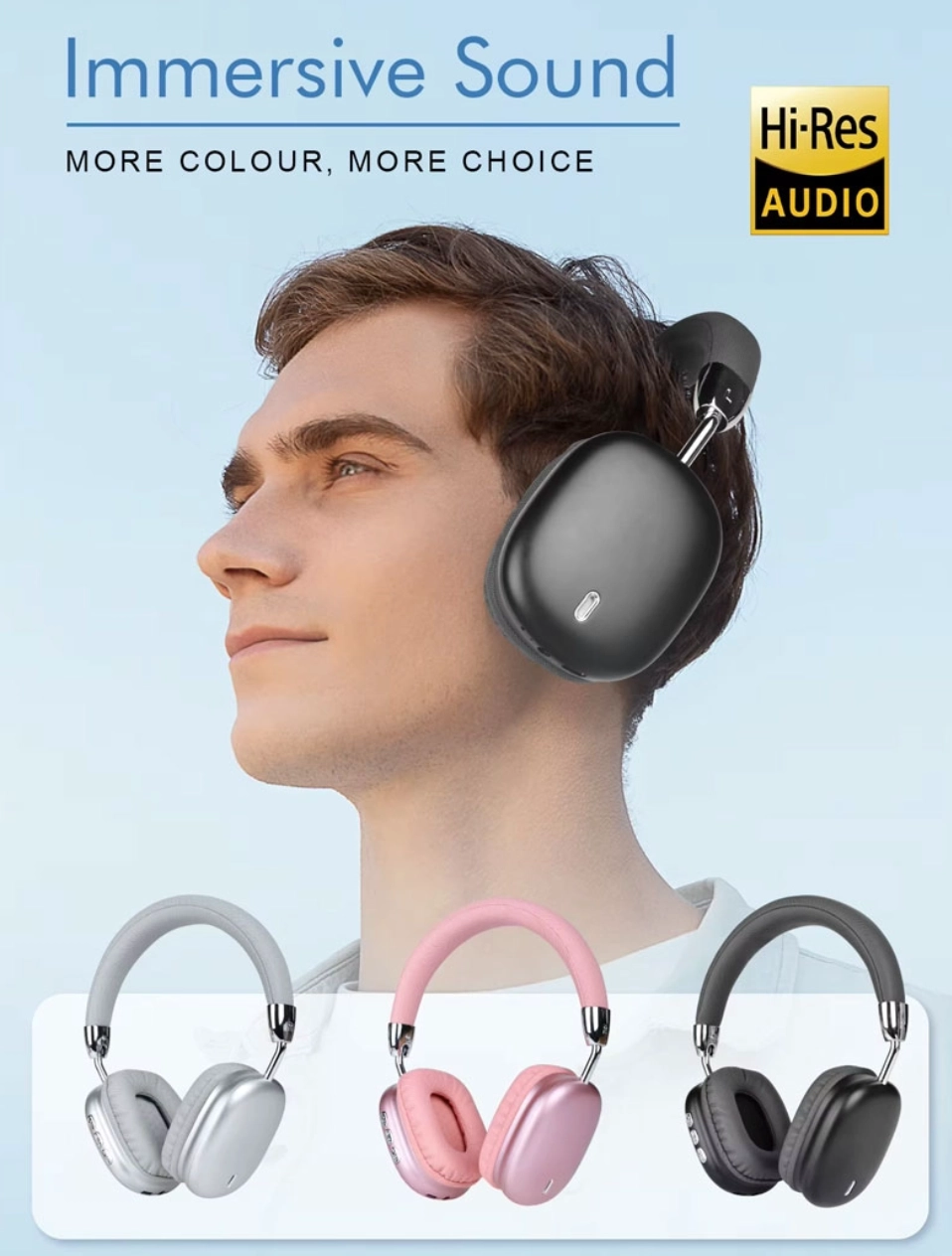
Creative audio products, lifestyle-focused headphones, and visually distinctive designs can help brands create stronger product identities. Social-media-friendly products can also provide additional content opportunities for short videos, influencer marketing, product demonstrations, and social commerce.
Platforms such as Amazon, TikTok Shop, and Shopify have also made it easier for brands and e-commerce businesses to introduce specialized audio products to targeted consumer groups. Instead of relying only on traditional retail channels, brands can build product stories around specific audiences and usage scenarios.
Seasonal and gifting opportunities are another area worth considering. Wireless headphones can be positioned for back-to-school campaigns, travel seasons, holidays, corporate gifting, and lifestyle promotions.
For emerging brands, private label, OEM, and ODM development can also provide a practical route to create differentiated audio products without developing every component of the product development process internally.
 4. The Role of an OEM/ODM Manufacturer
As product cycles become more competitive, the capabilities of an audio manufacturer can influence how quickly a brand responds to market opportunities.
Product R&D and rapid development are important for transforming market concepts into commercially viable products. Industrial design capabilities can help brands move beyond generic product shapes and develop a stronger visual identity.
Customization is equally important. Through OEM, ODM, and private label development, brands can adapt product appearance, packaging, functions, materials, and other product elements according to their target market and positioning.
Supply chain stability and cost control also remain essential. Efficient sourcing, production management, quality control, and component coordination can help maintain consistency while supporting commercially viable product development.
Global market adaptation is another key consideration. Products targeting Europe, Japan, South Korea, and Australia may need to consider different consumer preferences, packaging expectations, compliance requirements, and market positioning. A manufacturer with international market experience can help integrate these considerations earlier in the development process.
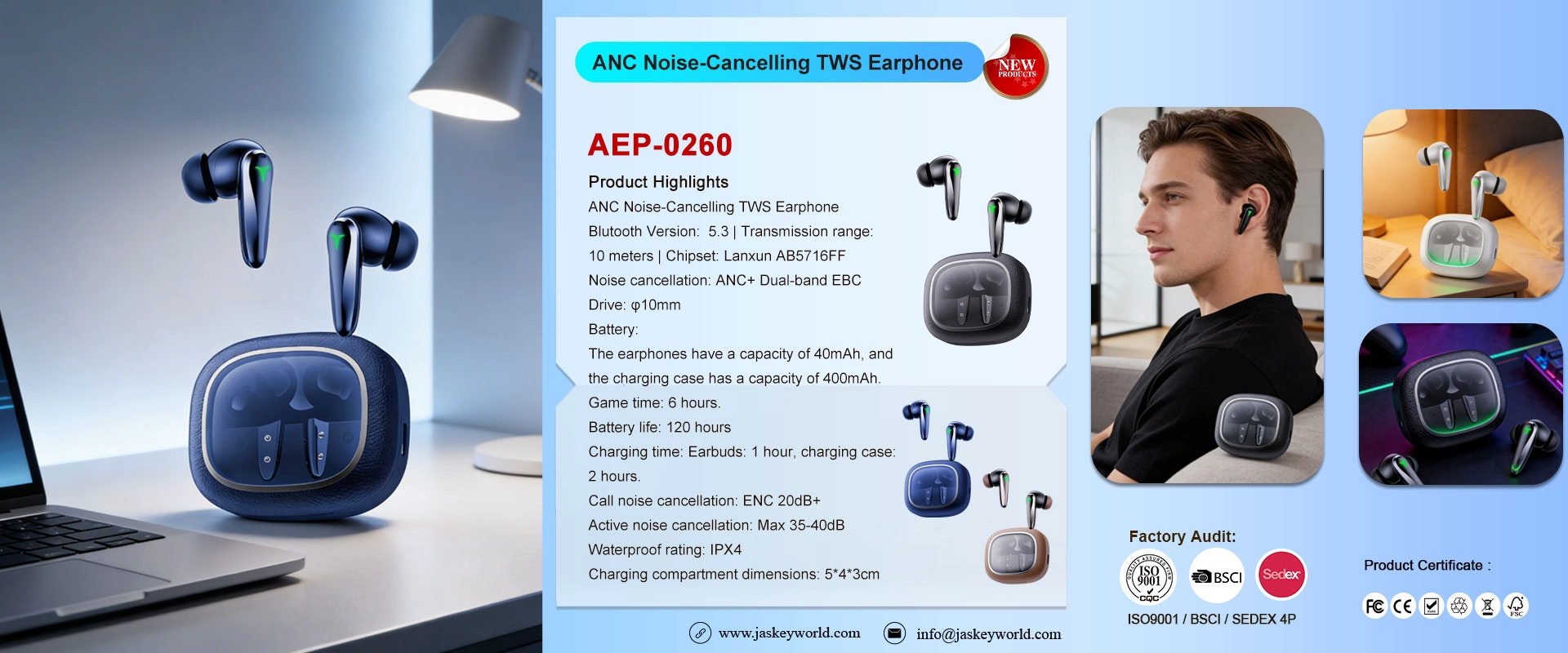
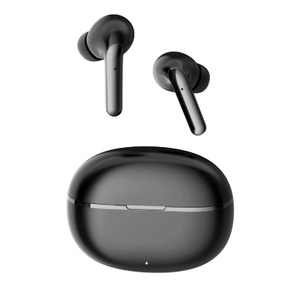
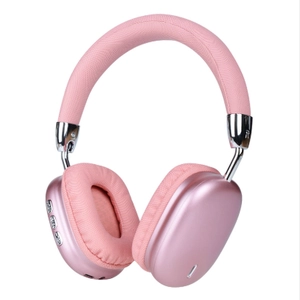
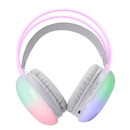
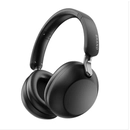
For example, a Bluetooth headphone featuring ABS construction, Bluetooth 5.4 connectivity, a 40mm speaker, 150mAh battery, and approximately 4–6 hours of playback represents a practical foundation for everyday wireless listening. The greater opportunity lies in how such a platform is developed into a differentiated product for a specific market and consumer group.
5. Looking Ahead: From Wireless Audio to Lifestyle Audio
The future of Bluetooth headphones is likely to be shaped by more than connectivity and specifications. Design, comfort, portability, personalization, social-media visibility, and lifestyle applications will continue to influence how consumers discover and evaluate audio products.
For brands, retailers, distributors, and e-commerce businesses, this creates opportunities to develop more distinctive audio portfolios through product innovation and flexible customization.
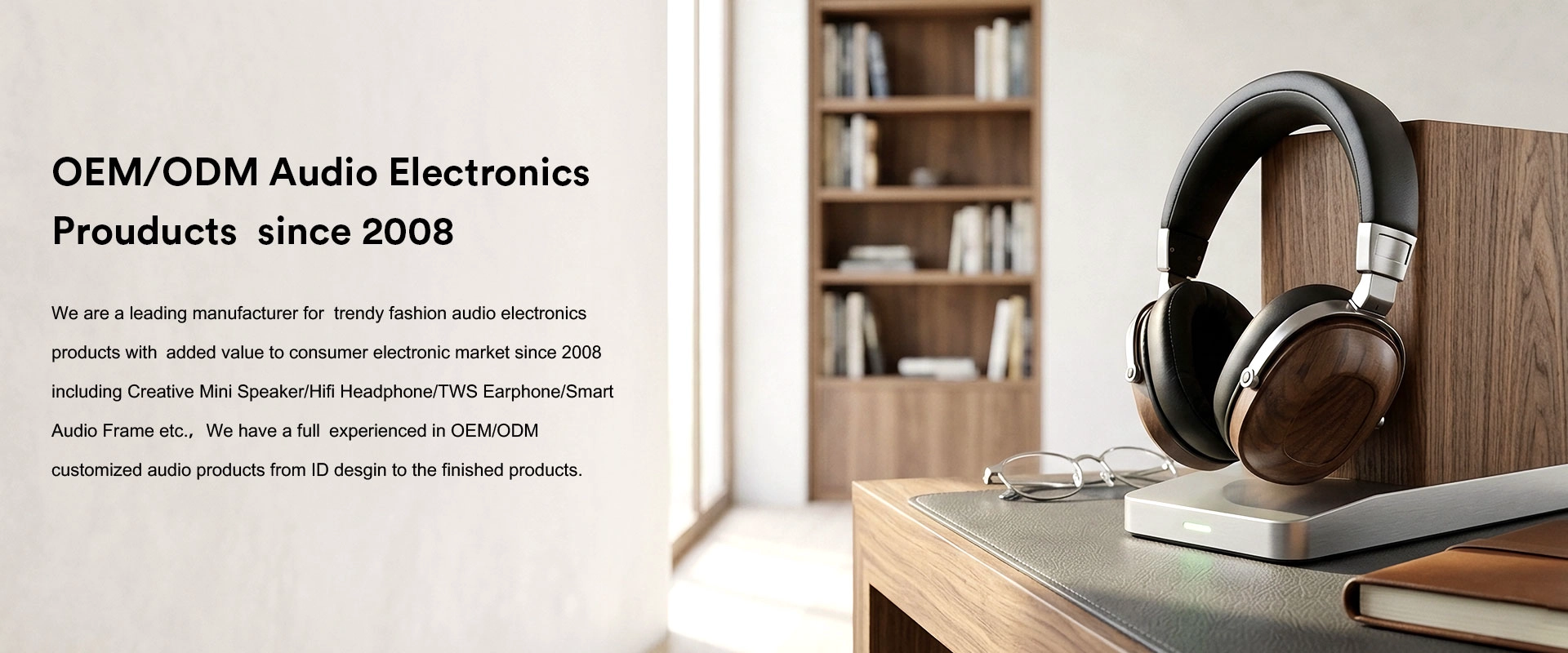
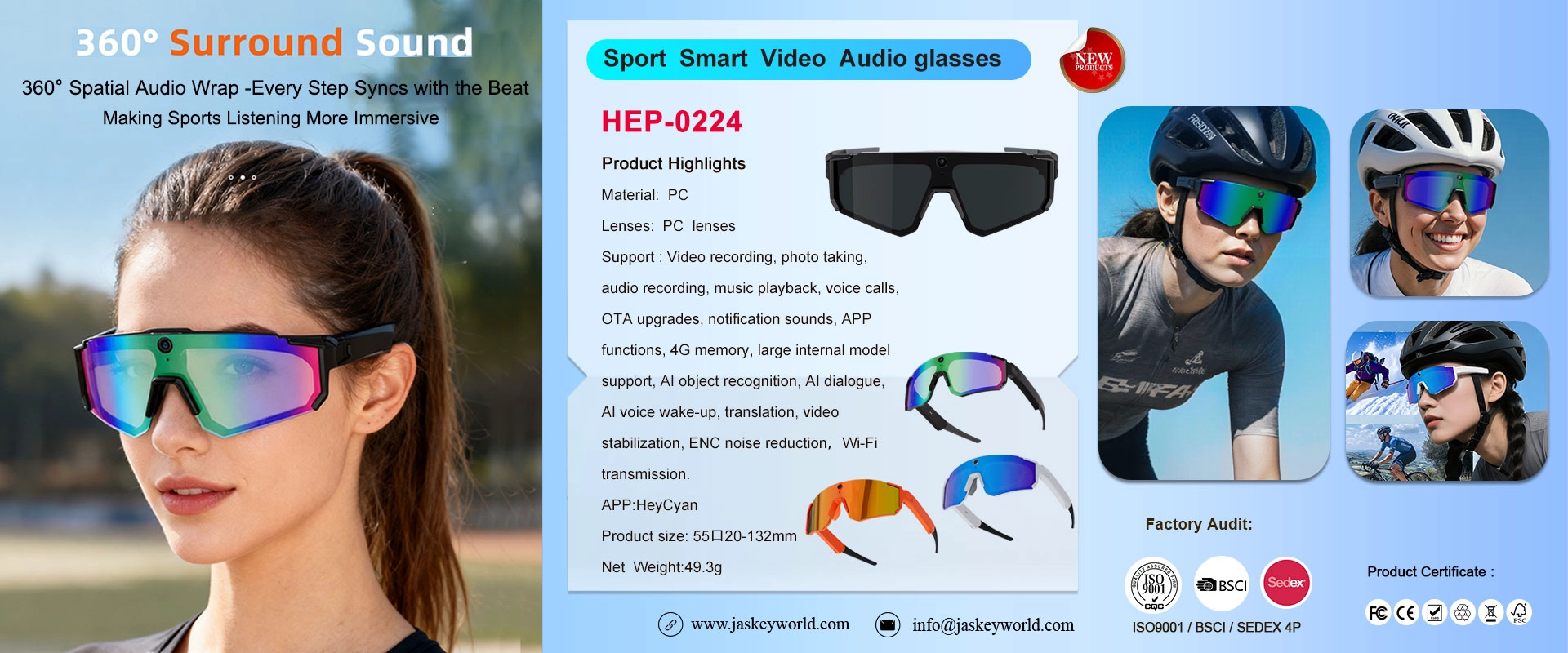
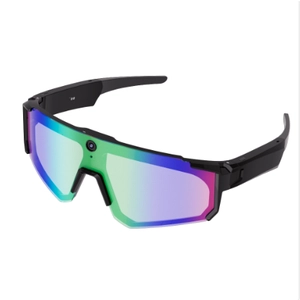
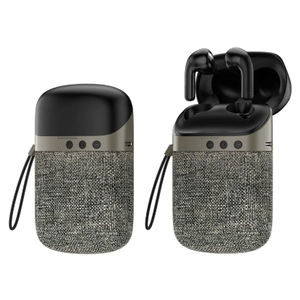
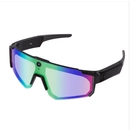
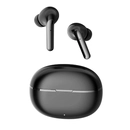
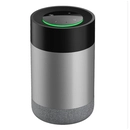
Since 2008, Jaskey Limited has combined product R&D, industrial design, manufacturing, and global supply chain capabilities across Bluetooth speakers, headphones, audio glasses, and smart audio products. Experience across international markets provides a foundation for supporting different product concepts and market requirements.
As wireless audio continues to evolve, collaboration between brands and capable Bluetooth headphone OEM/ODM partners can help turn emerging consumer trends into practical products, private-label collections, and new market opportunities.
Explore new possibilities in Bluetooth audio and discover how product innovation can support your next audio project.