True wireless stereo (TWS) earphones have become a mainstream part of everyday digital life. From commuting and remote work to fitness, travel and mobile entertainment, consumers now expect wireless audio to be convenient, comfortable and easy to integrate into different lifestyles.
This shift is changing how brands approach the TWS earphone market. Basic wireless connectivity is no longer enough to create a compelling product proposition. As more brands enter the category, design, user experience, product positioning and differentiation are becoming increasingly important.
For consumer electronics brands, the next stage of TWS development is therefore less about simply adding specifications and more about creating products that fit specific consumer needs.
1. TWS Industry Trends: Experience Is Becoming More Important
The TWS market has moved beyond its original value proposition of eliminating cables. Consumers increasingly evaluate earphones as lifestyle products rather than purely technical accessories.
Portability remains fundamental. Compact TWS earphones can move easily between work, travel, exercise and entertainment, making them suitable for increasingly mobile lifestyles. At the same time, consumers are paying more attention to appearance, wearing comfort and how naturally a product fits into everyday routines.
This has encouraged the development of portable, smart and lifestyle-oriented audio products. Instead of competing only on technical specifications, brands are exploring industrial design, intuitive controls and product concepts tailored to particular audiences.
Social media is also changing product discovery. TikTok, Instagram Reels, YouTube Shorts and other short-form video channels allow consumers to see products in real-life situations before making a purchase. Product appearance, unboxing experiences and visible features can therefore influence demand as much as traditional specification-based comparisons.
For international brands, regional preferences also matter. Consumer expectations, packaging requirements, product positioning and compliance considerations can vary across markets such as Europe, Japan, South Korea and Australia. A successful TWS product increasingly requires both global scalability and local market awareness.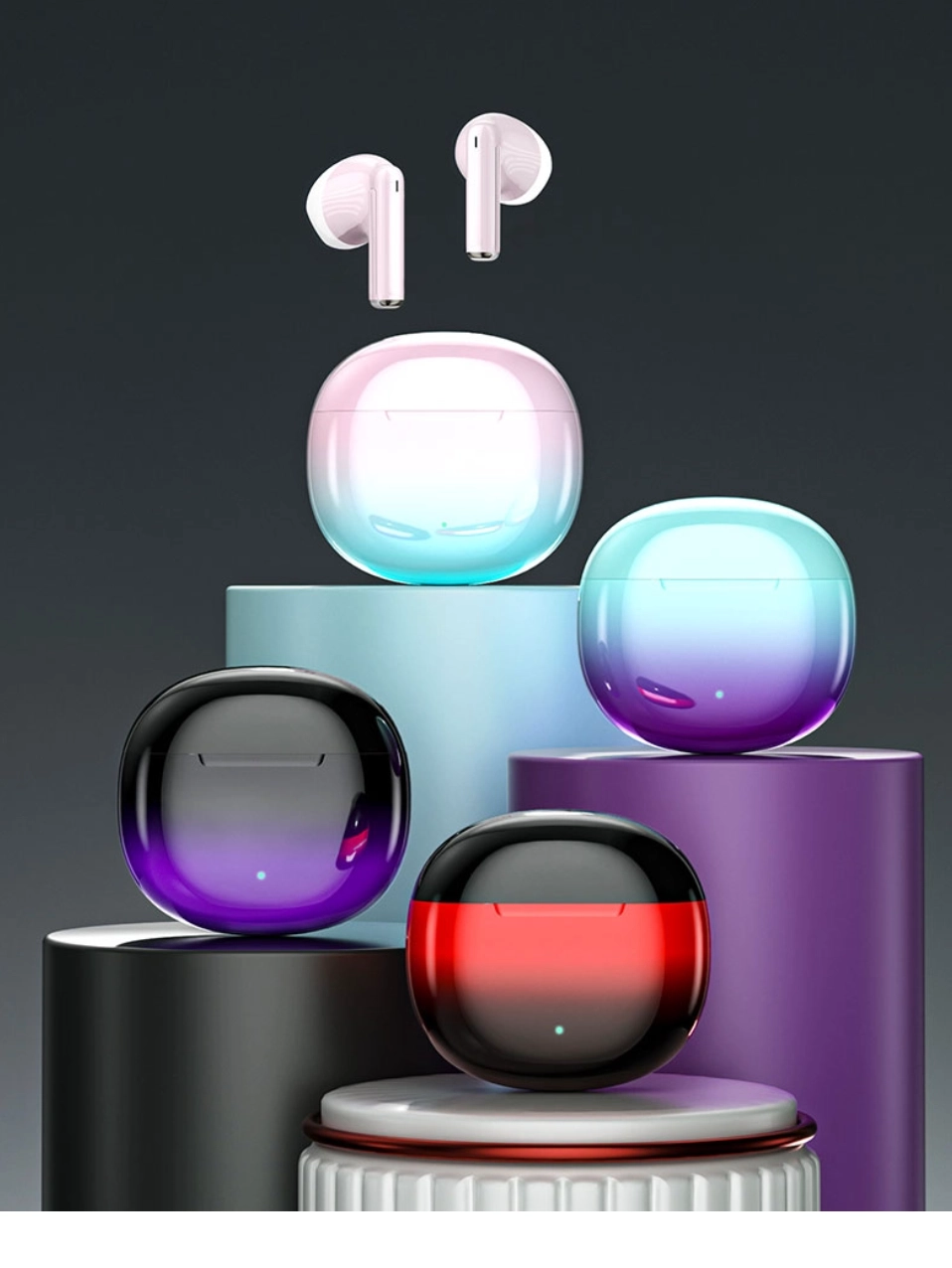
2. Market Pain Points: When Every Earphone Looks Similar
Rapid growth has created a major challenge for the TWS category: product homogenization.
Many wireless earbuds share similar shapes, functions and specifications. When consumers see little meaningful difference between products, purchasing decisions can become heavily influenced by price, making it difficult for brands to establish long-term differentiation.
Short product life cycles add another challenge. Audio trends change quickly, while e-commerce brands often need new designs and product variations to maintain consumer attention.
There is also a gap between technical specifications and actual user experience. A longer feature list does not automatically mean a better product. Consumers still care about practical questions:
- Is the earphone comfortable for everyday use?
- Is the charging case easy to carry?
- Is wireless connection convenient?
- Does the design fit the target audience?
- Can the product communicate a clear brand identity?
These questions highlight why product development needs to consider the complete user experience rather than specifications in isolation.
3. Market Opportunities: Building More Differentiated TWS Products
The growing competition in TWS earphones is creating opportunities for brands that can define a clearer product proposition.
Lifestyle-Oriented Audio
TWS earphones can be developed around specific lifestyles rather than positioned as generic wireless earbuds. Fitness, travel, gaming, fashion, work and everyday entertainment can each create different design and functional requirements.
Social Commerce
Short-form video has created new opportunities for products with recognizable designs or easy-to-demonstrate features. A visually distinctive TWS product can be integrated naturally into creator content, product demonstrations and lifestyle videos.
E-Commerce and Private Label
Amazon, Shopify and social commerce platforms have lowered barriers for emerging audio brands. However, competition also makes differentiation more important. Private-label TWS earphones with customized branding, packaging, appearance or product configurations can help businesses develop a more recognizable product portfolio.
Gifting and Promotional Audio
Compact wireless earphones are also relevant to seasonal gifting, corporate campaigns and promotional programs. Customized packaging and brand presentation can turn a practical audio accessory into a more distinctive gift product.
4. What Does a Market-Ready TWS Earphone Need?
Product development should begin with the intended consumer and usage scenario.
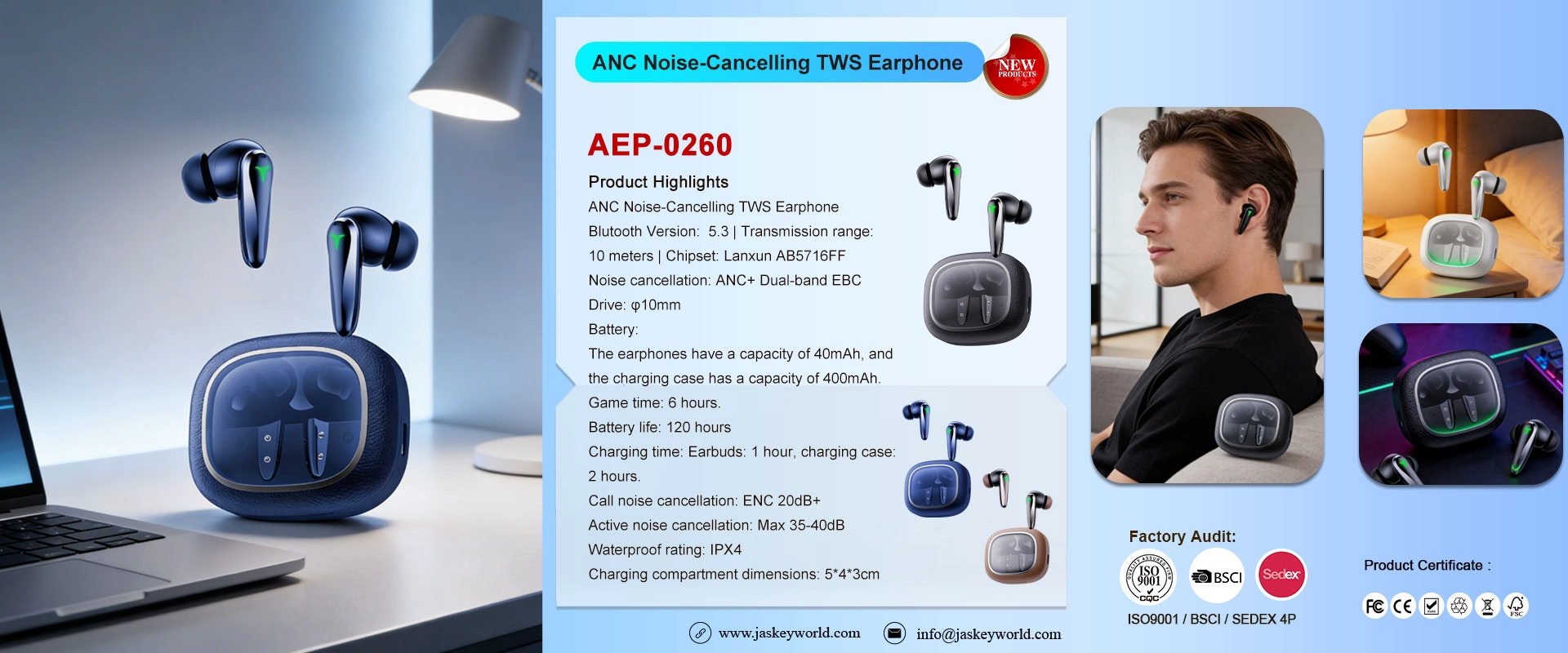
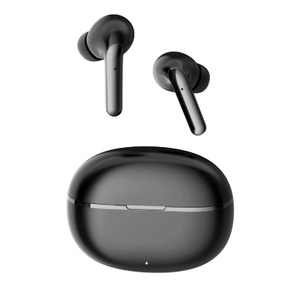
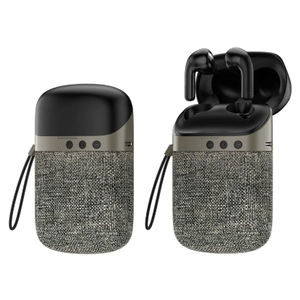
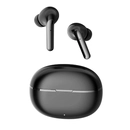
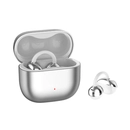
A current TWS earphone solution can combine practical wireless performance with a compact everyday design. For example, a product using Bluetooth 5.4 and supporting a wireless range of around 10 meters can provide the connectivity consumers expect from modern Bluetooth audio.
Portability is equally important. A compact charging case measuring 50 × 24.5 × 44.3 mm is easy to carry in a pocket or bag. With 30mAh earphone batteries, a 300mAh charging case and around 3–4 hours of playback, the configuration is suited to everyday listening rather than overly complex use cases.
The value of these specifications lies in how they work together. For consumers, the objective is a product that is easy to carry, simple to connect and practical throughout the day.
For brands, this means engineering decisions need to support a clear market position instead of adding features without a defined purpose.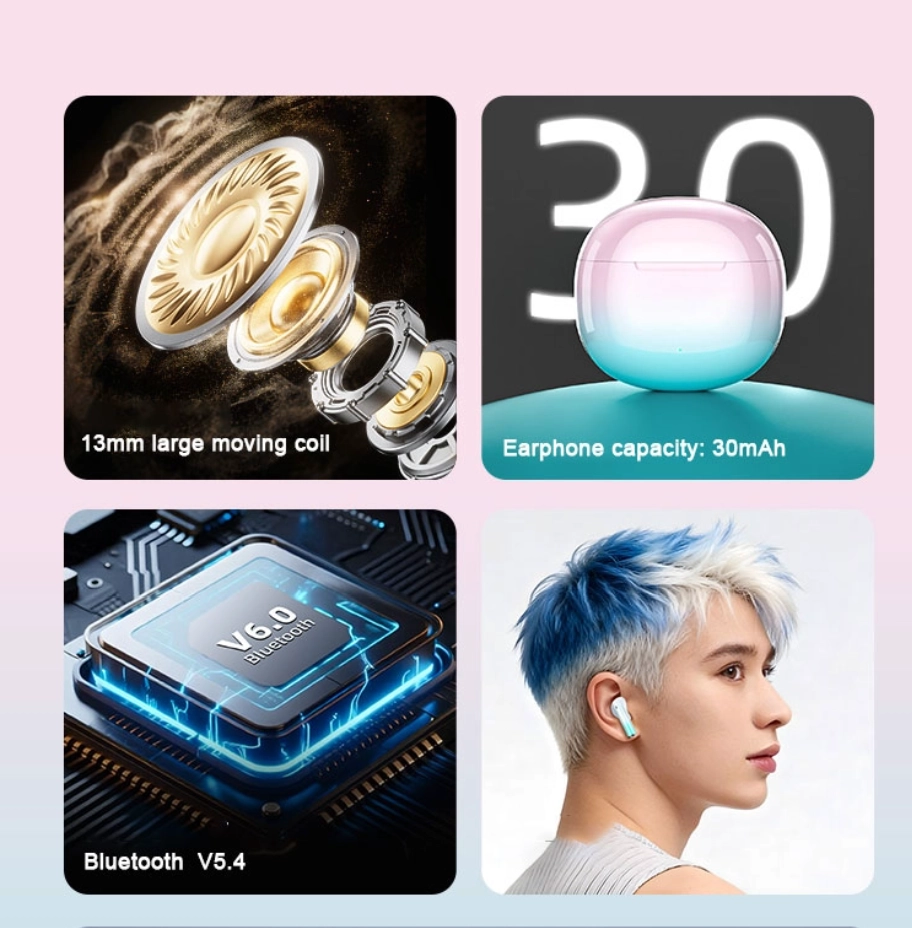
5. Manufacturer Value: From Product Concept to Scalable Development
This is where experienced consumer electronics manufacturers can contribute beyond production capacity.
R&D and rapid product development allow brands to respond to changing market trends and shorten the path from concept to finished product. Experience with Bluetooth audio platforms, components and product engineering can also help translate ideas into commercially practical solutions.
Industrial design is increasingly important in a crowded TWS market. Shape, ergonomics, charging-case design, materials and visual identity all influence how consumers perceive a product.
OEM, ODM and private-label development provide brands with different levels of customization, from branding and packaging to product appearance and selected functions.
A stable supply chain and cost-control system is also essential. Effective component sourcing, production planning and quality management can help brands balance product positioning with target costs.
For global businesses, market adaptability matters as well. Products for Europe, Japan, South Korea and Australia may involve different compliance, packaging and consumer expectations. Manufacturers with international market experience can incorporate these considerations earlier in the development process.
6. The Future of TWS Earphone Development
The TWS category is entering a more mature stage where simply being wireless is no longer a sufficient point of differentiation.
The opportunity is moving toward better product experiences, distinctive industrial design, lifestyle positioning and flexible product development. Brands that understand their target consumers can use these elements to build audio products with a clearer identity.
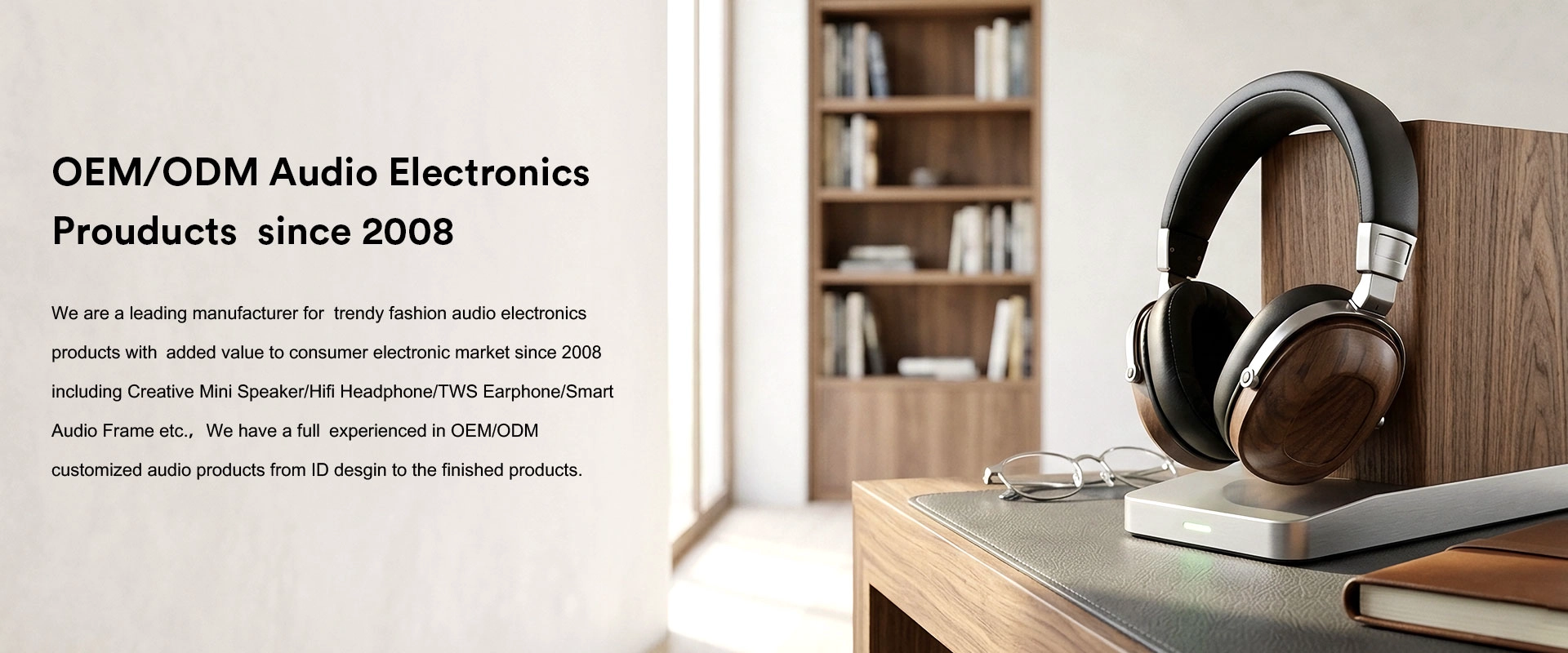
Since 2008, Jaskey Limited has developed consumer electronics across Bluetooth speakers, headphones, audio glasses and smart audio products, combining product R&D, industrial design, manufacturing and global supply chain capabilities.
For brands, retailers and e-commerce businesses planning their next wireless audio products, TWS earphone OEM, ODM and private-label development can provide a flexible path to explore new designs, target specific consumer groups and respond to changing market demand.
Explore new TWS earphone concepts, product development opportunities and global audio solutions with Jaskey Limited.