1. Industry Trends: The Rise of Specialized Sleep Audio Products
The consumer audio industry is moving beyond traditional music playback toward products designed around specific activities and lifestyle needs. As consumers seek more personalized audio experiences, sleep-focused audio devices are creating new opportunities for brands, retailers, and consumer electronics businesses.
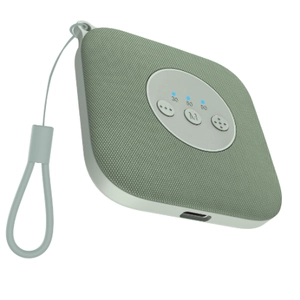
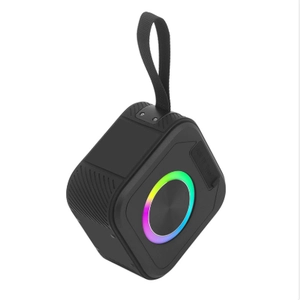
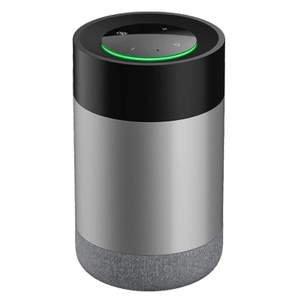
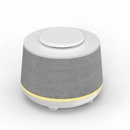
A bone conduction sleep speaker combines specialized sound transmission technology with features designed for nighttime listening, relaxation, and white noise playback. Compared with conventional portable speakers, these products serve a more specific purpose, making them an interesting addition to the growing lifestyle audio category.
Several trends are shaping this market.
Experience-driven consumption is encouraging consumers to evaluate electronics according to their usefulness in everyday routines. Compact sleep audio devices can appeal to people looking for convenient access to ambient sounds, relaxation audio, or nighttime listening without using a conventional bedside speaker.
Portable and compact design is another important consideration. Consumers increasingly expect personal electronics to be lightweight, easy to operate, and suitable for different environments. For sleep audio products, designers must balance compact dimensions, battery performance, material selection, and practical usability.
Smart audio functionality is also influencing product development. Bluetooth connectivity, white noise playback, and sleep timers allow manufacturers to combine multiple functions in one device. These features can support convenient operation while helping brands distinguish specialized sleep speakers from basic audio products.
Meanwhile, TikTok, Instagram Reels, and other short-video platforms have changed how consumers discover niche electronics. Products with clear use cases and demonstrable features can attract attention through lifestyle videos, product comparisons, and creator demonstrations. However, long-term demand still depends on reliable performance, credible product claims, and customer satisfaction.
For brands targeting Europe, Japan, South Korea, and Australia, specialized sleep audio products offer an opportunity to explore differentiated consumer needs rather than competing exclusively in crowded mainstream speaker categories.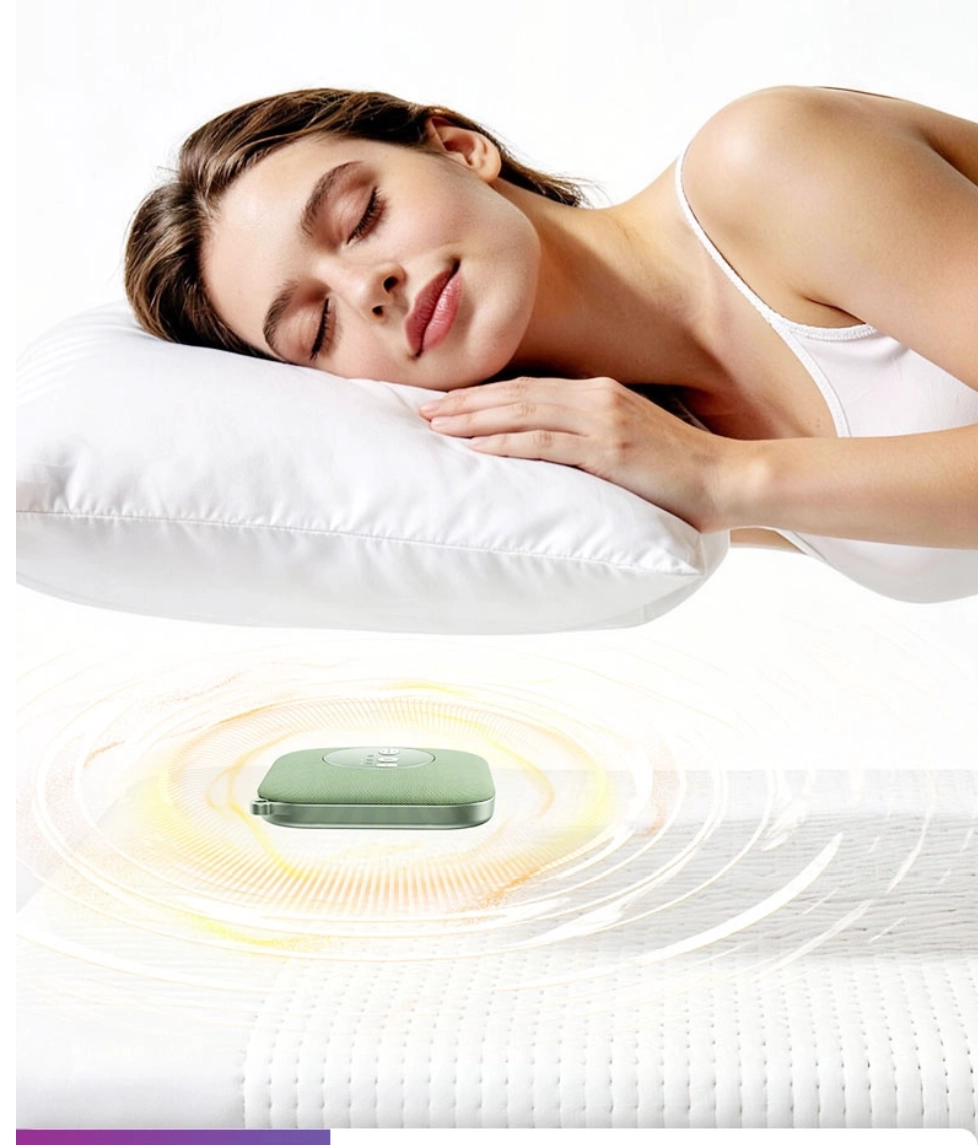
2. Market Pain Points: Turning Features into Meaningful Differentiation
Despite the potential of specialized audio products, brands face several challenges when developing and commercializing a bone conduction sleep speaker.
Product homogenization is a major issue. Many consumer audio products offer similar connectivity, battery specifications, and basic playback functions. When product listings emphasize only technical specifications, consumers may struggle to understand the differences between competing solutions.
Price competition creates additional pressure, particularly for online sellers. Products with similar appearances and feature lists can become difficult to differentiate on Amazon and other e-commerce platforms. Competing primarily through discounts can reduce margins and limit investment in design, quality, and customer support.
Product-specific engineering challenges are equally important. A sleep audio device must be designed around its intended use. Sound transmission performance, physical comfort where applicable, charging convenience, connection stability, and timer operation all influence the overall experience. Bone conduction technology also requires clear positioning because its performance and suitability depend on the product's design and how it is used.
Brand differentiation requires more than adding features. A successful product strategy should define its target audience, intended environment, design language, and primary user benefits. For example, a compact white noise sleep speaker may appeal to a different customer segment from a general-purpose Bluetooth speaker.
For OEM/ODM projects, identifying these requirements early can help reduce unnecessary design changes and establish clearer product development priorities.
3. Market Opportunities: Specialized Audio, E-Commerce and Private Label
Bone conduction sleep speakers represent a specialized segment within the broader lifestyle audio market. Their combination of sound transmission technology, compact construction, and sleep-oriented functions creates opportunities for brands seeking to expand beyond conventional Bluetooth speakers and headphones.
Specialized lifestyle audio: Products developed for specific activities can help brands build more focused product portfolios. Sleep audio devices, wearable speakers, creative Bluetooth speakers, and other niche audio products provide different positioning opportunities for clearly defined audiences.
Social commerce and product education: Short videos can demonstrate product operation, Bluetooth pairing, white noise functions, and sleep timer settings. For bone conduction products, accurate demonstrations and explanations are particularly important because consumers may not fully understand how the technology differs from traditional speakers or headphones.
Amazon, TikTok Shop and Shopify: These channels offer different routes to market. Amazon can connect products with shoppers searching for specific audio solutions. TikTok Shop, where available, supports discovery-led purchasing, while Shopify allows brands to develop their own product pages, educational resources, and customer relationships. Success depends on channel-specific content, competitive pricing, and credible product information.
Gift and seasonal sales: Compact lifestyle electronics may also appeal to consumers looking for practical gifts. Thoughtful packaging, intuitive operation, and clear product positioning can strengthen their suitability for birthdays, holidays, and other gifting occasions.
OEM/ODM and private-label development: Retailers, online sellers, and established audio brands can explore customized designs, packaging, colors, and selected functions to develop products aligned with their market positioning. Before committing to production, businesses should evaluate demand, target pricing, technical feasibility, and relevant compliance requirements.
The strongest opportunities are likely to come from combining a clearly defined consumer need with dependable product performance and a distinctive market proposition.
4. Manufacturer Value: From Product Concept to Market-Ready Audio Solutions
An experienced consumer electronics manufacturer can help transform product concepts into commercially viable audio solutions through engineering, industrial design, production planning, and supply chain coordination.
Product R&D and development: Developing a bone conduction sleep speaker requires attention to the relationship between sound transmission components, Bluetooth connectivity, battery capacity, charging systems, and functional requirements. White noise playback and sleep timer operation should also be evaluated under realistic usage conditions. Early engineering reviews can help identify technical limitations before mass production.
Industrial design and material selection: Compact products require efficient integration of internal components and external structures. Materials such as ABS plastic, cloth, and silicone can serve different structural and design purposes, depending on the product configuration. Their selection should consider durability, cleaning requirements, intended contact with the user, and the overall product experience.
OEM, ODM and private-label customization: OEM services can support businesses working with established designs, while ODM development can help create products based on specific market requirements. Depending on technical feasibility and project scope, customization may cover product appearance, colors, branding, packaging, and selected functional features.
Quality management and cost control: Effective manufacturing involves more than reducing unit costs. Component consistency, battery and charging performance, connectivity, assembly quality, packaging, and production repeatability all influence the total commercial value of a product. A structured quality process can help reduce avoidable defects and support a more consistent customer experience.
Global market adaptation: Brands serving the EU, Japan, South Korea, and Australia must assess the requirements applicable to their products and sales channels. These may include electrical and electromagnetic compatibility, chemical restrictions, battery transport, labeling, and documentation. Manufacturers can support technical preparation and testing coordination, while final compliance must be verified against the relevant destination-market requirements.
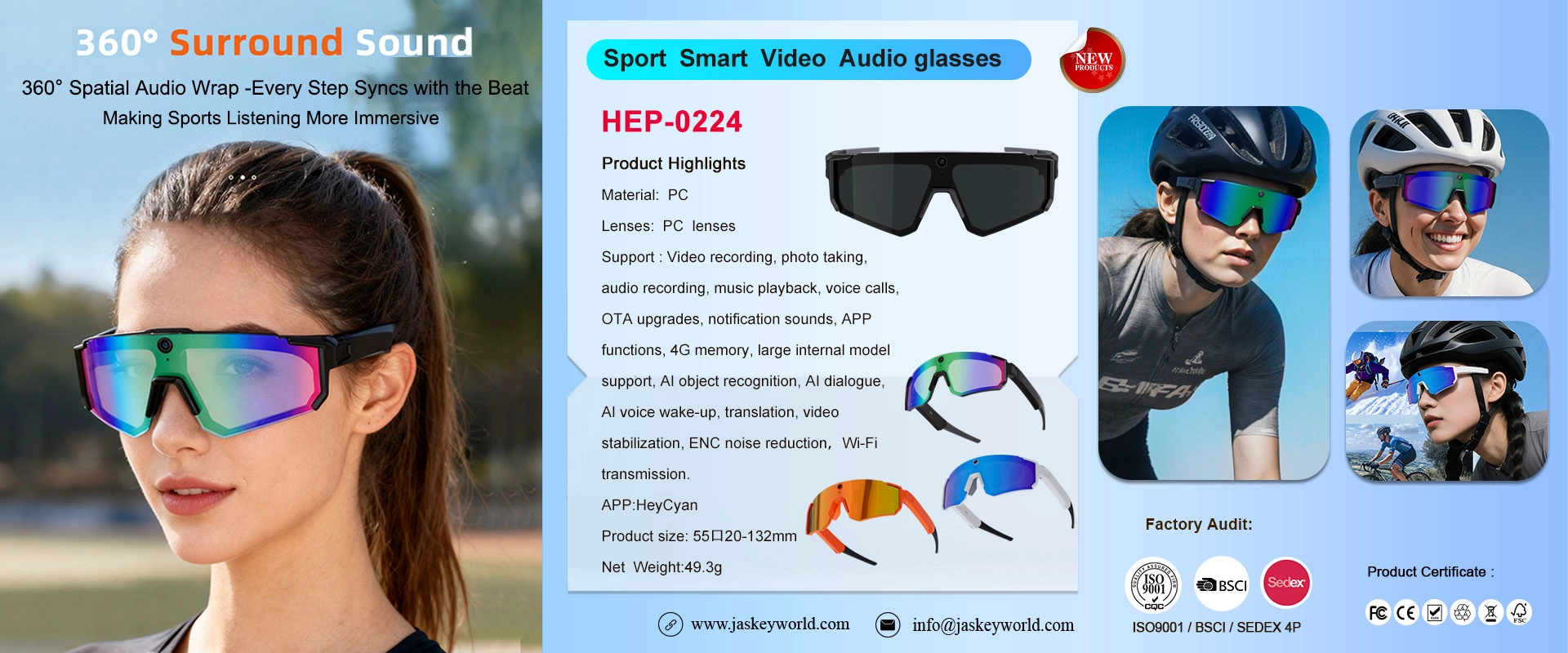
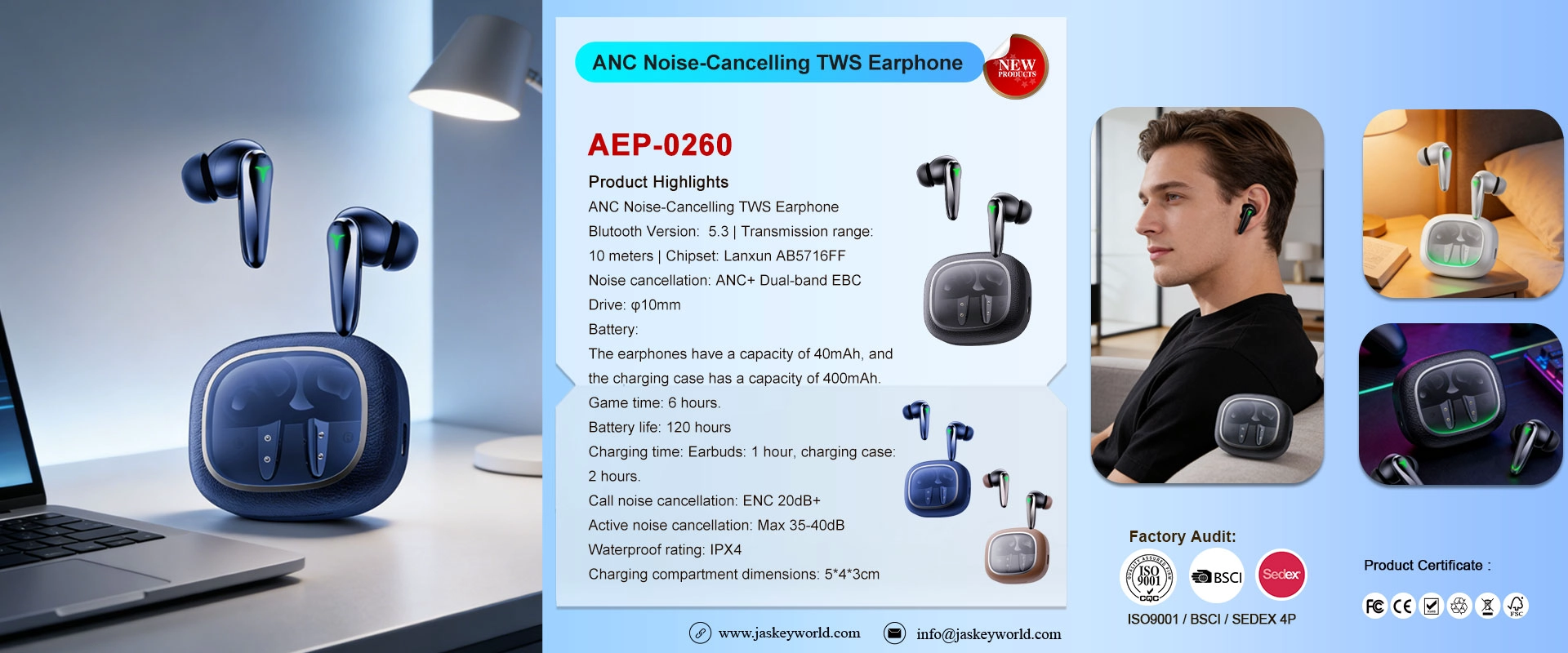
Since 2008, Jaskey Limited has focused on consumer electronics, including Bluetooth speakers, headphones, audio glasses, and smart audio products. Its integrated capabilities in product design, R&D, manufacturing, and supply chain coordination provide a foundation for supporting audio product development for international markets.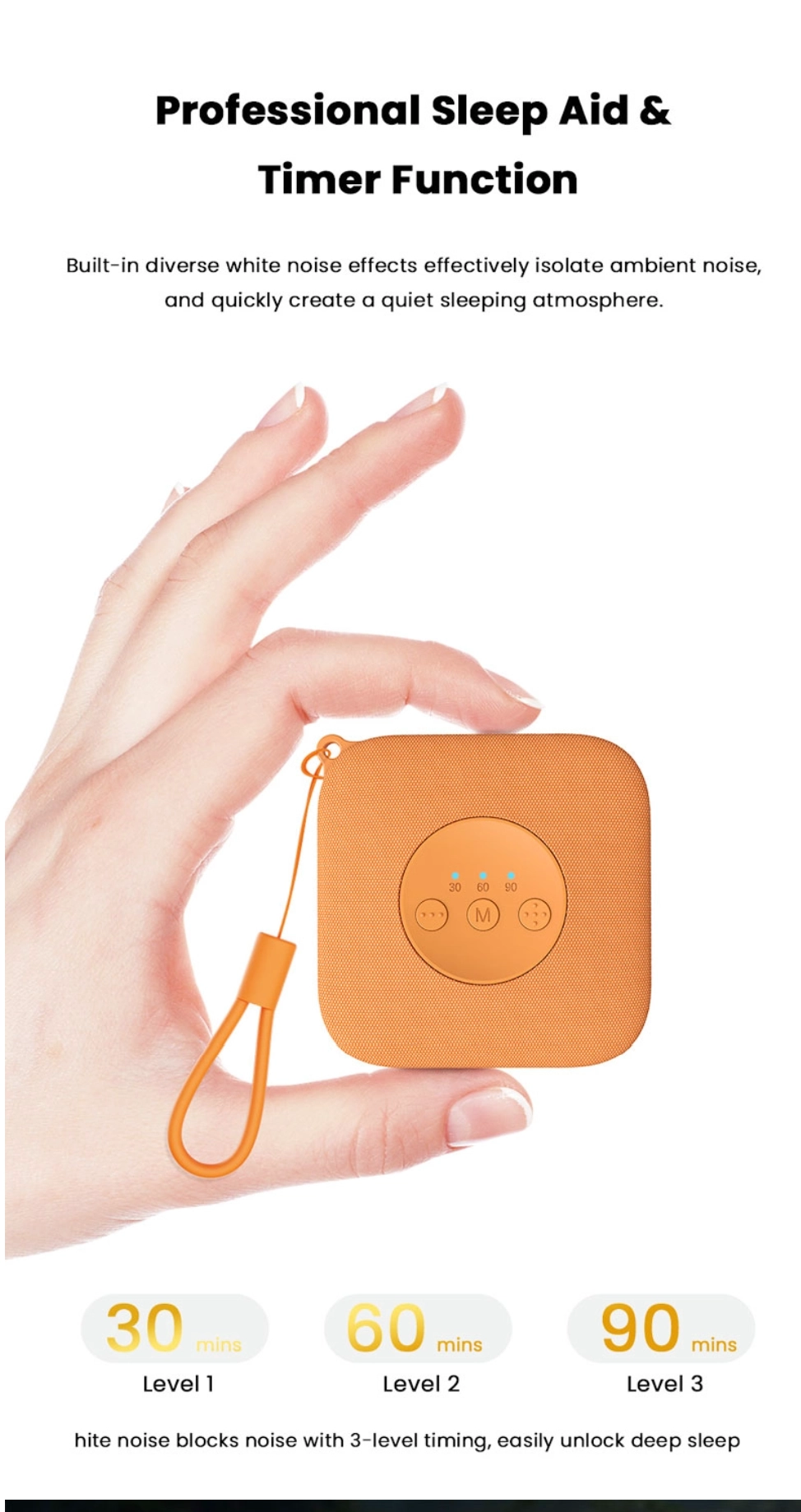
5. Conclusion: Building Differentiated Products for the Global Audio Market
The development of bone conduction sleep speakers reflects a wider shift toward specialized, lifestyle-driven consumer electronics. For brands, long-term potential depends on identifying real consumer needs, delivering reliable performance, and communicating product benefits clearly.
For manufacturers, the challenge is to combine technical development, thoughtful industrial design, consistent quality, and market-specific requirements into practical products that meet commercial objectives.
Brands, retailers, and e-commerce businesses exploring sleep audio can benefit from evaluating target customers, core functions, product positioning, and regulatory requirements early in the development process.
Jaskey Limited supports consumer audio product development through integrated design, R&D, manufacturing, and supply chain capabilities. Businesses interested in bone conduction sleep speakers or other lifestyle audio products can contact the team to discuss potential OEM/ODM development and product collaboration opportunities.