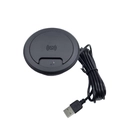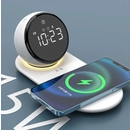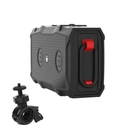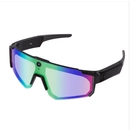












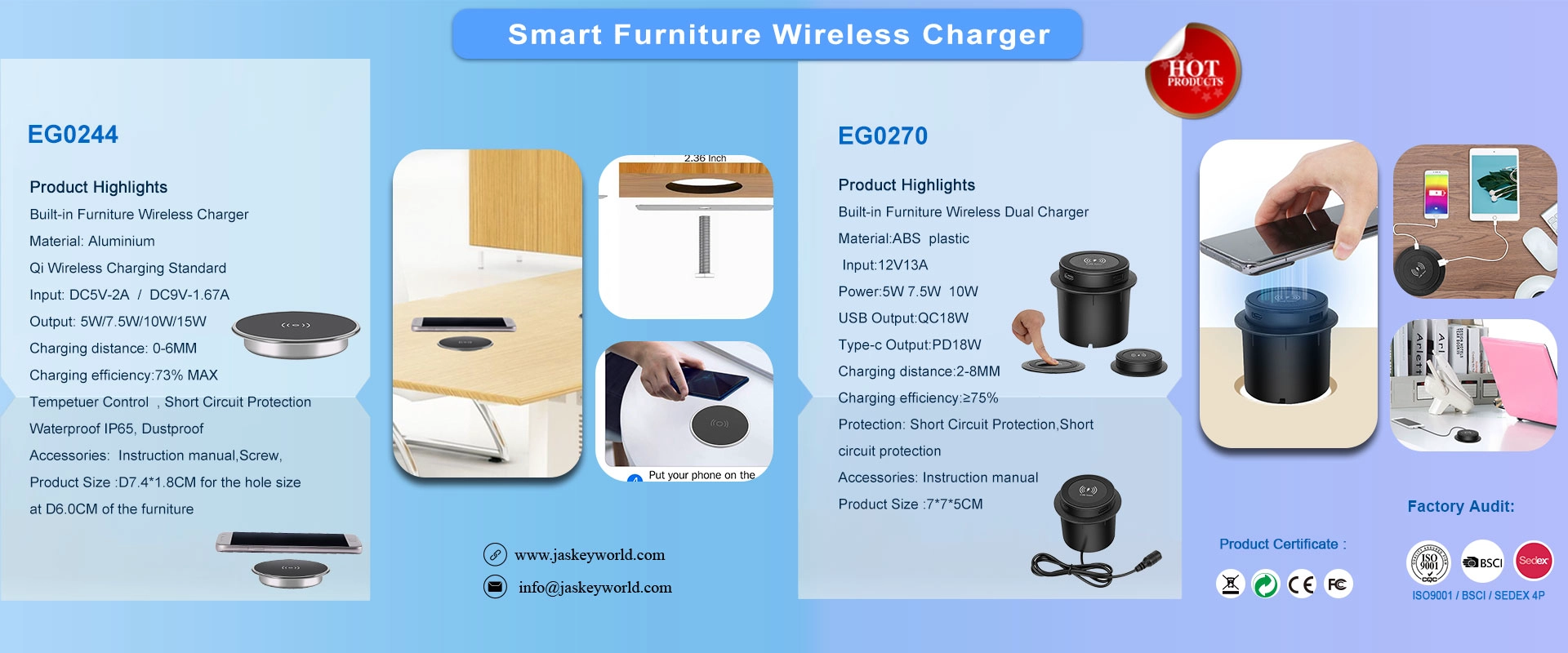
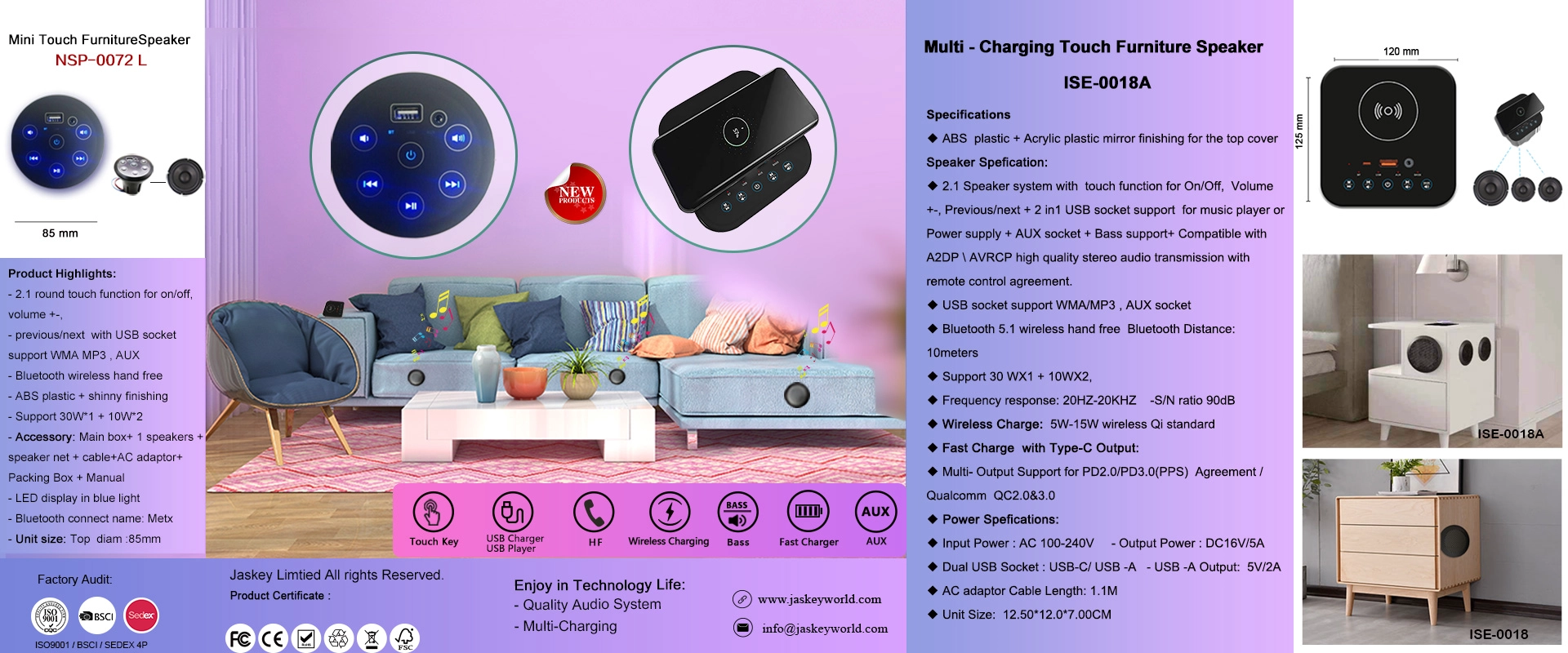
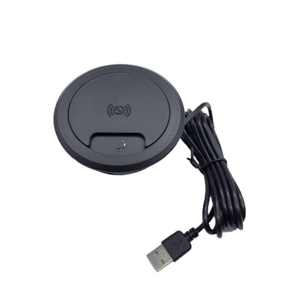
Jaskey Limited is a China-based consumer electronics OEM/ODM manufacturer specializing in built-in furniture wireless chargers and innovative audio products. Our compact wireless charging solutions feature 5W wireless charging, USB and Type-C outputs, and space-saving designs, making them suitable for desks, bedside tables, and modern furniture applications. Since 2008, we have focused on product innovation, quality management, and customized solutions for global markets.
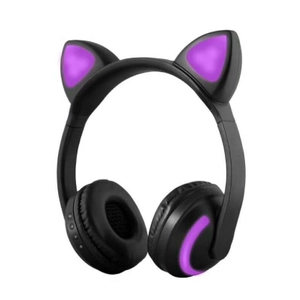
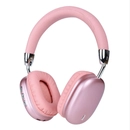
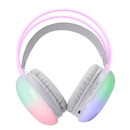
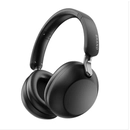
The 4-in-1 Bluetooth Wireless Over-Ear Headphones combine Bluetooth 4.1, TF card playback, AUX input, and FM radio for versatile listening options. Featuring a built-in microphone, convenient control buttons, and up to 15 hours of playback, these headphones are suitable for daily entertainment, commuting, and home use. Jaskey Limited offers OEM/ODM customization services for brands, wholesalers, importers, and retailers seeking flexible headphone solutions for global markets.
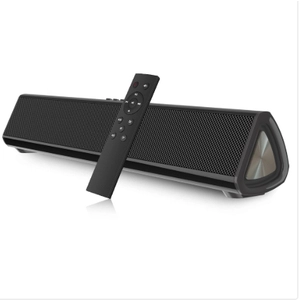
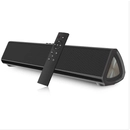
Explore the latest soundbar speaker industry trends, from Bluetooth connectivity and compact lifestyle design to social commerce and e-commerce opportunities. Discover how China OEM/ODM manufacturers support brands, retailers, distributors, and private-label sellers with product development, customization, and scalable audio manufacturing for global markets.
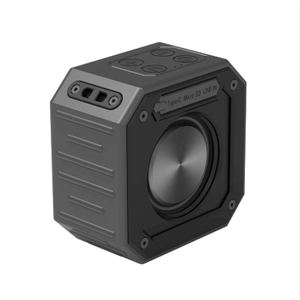
The Bracket Golf Speaker is a versatile outdoor Bluetooth speaker designed for golf, travel and active lifestyles. Featuring Bluetooth 5.3, 15W audio output, IPX67 waterproof protection and 24+ hours of playback, it combines reliable performance with a practical golf-focused design. Supporting Bluetooth, AUX, TF and TWS connectivity, the speaker offers flexible listening options for modern consumers. As a China Bluetooth speaker manufacturer, Jaskey Limited provides OEM/ODM customization for retailers, distributors, gift companies and global consumer electronics brands.
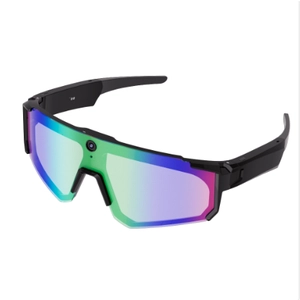
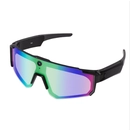
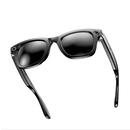
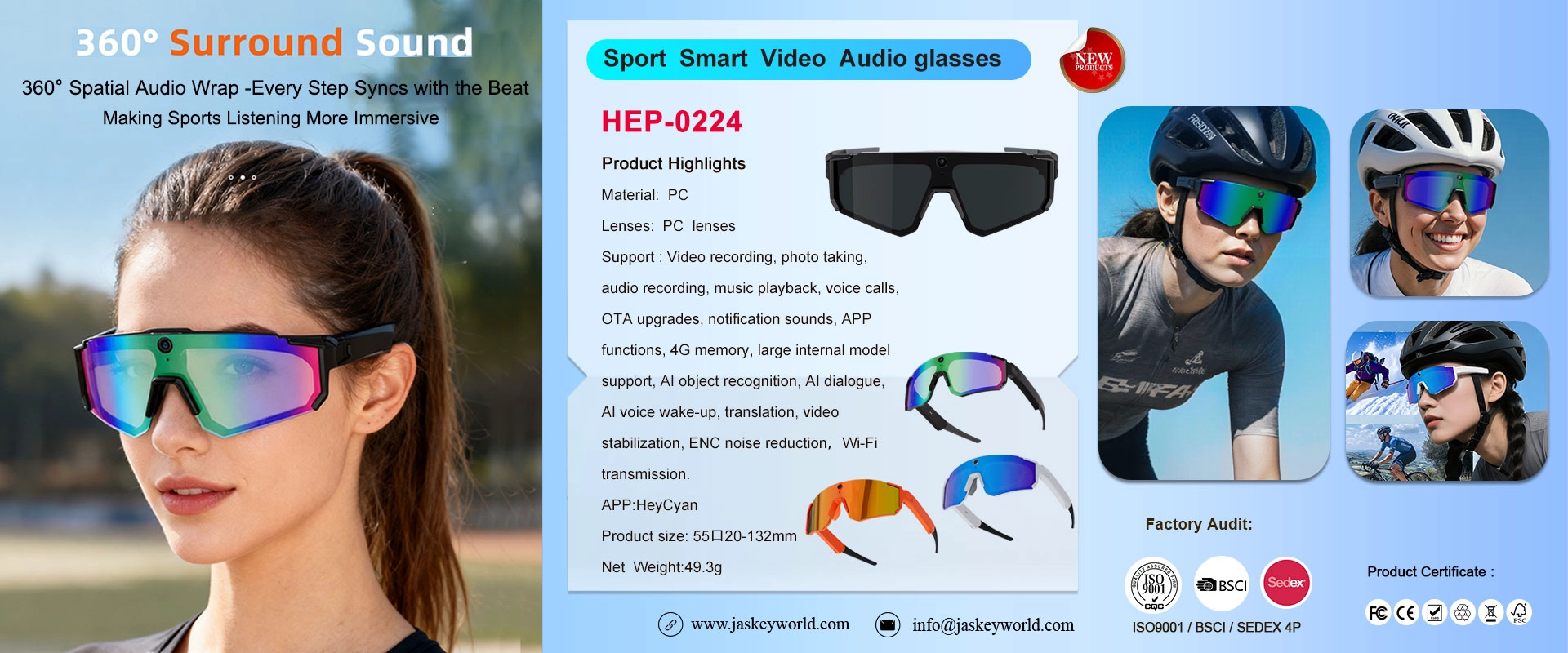
Sport Smart Video Audio Glasses combine AI-powered features, video recording, audio playback, voice calls, translation, and hands-free interaction in a compact wearable design. With Bluetooth 5.4, Wi-Fi transmission, AI object recognition, video stabilization, and ENC noise reduction, they offer new possibilities for sports, travel, content creation, and smart lifestyle applications. For brands, retailers, and e-commerce sellers, this emerging category creates opportunities for differentiated smart wearable products through OEM, ODM, and private-label development.
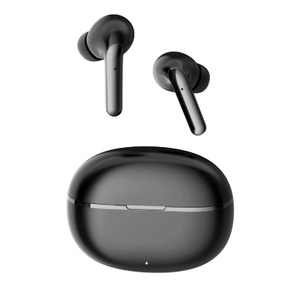
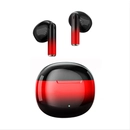
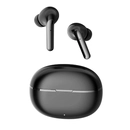
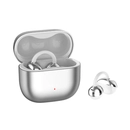
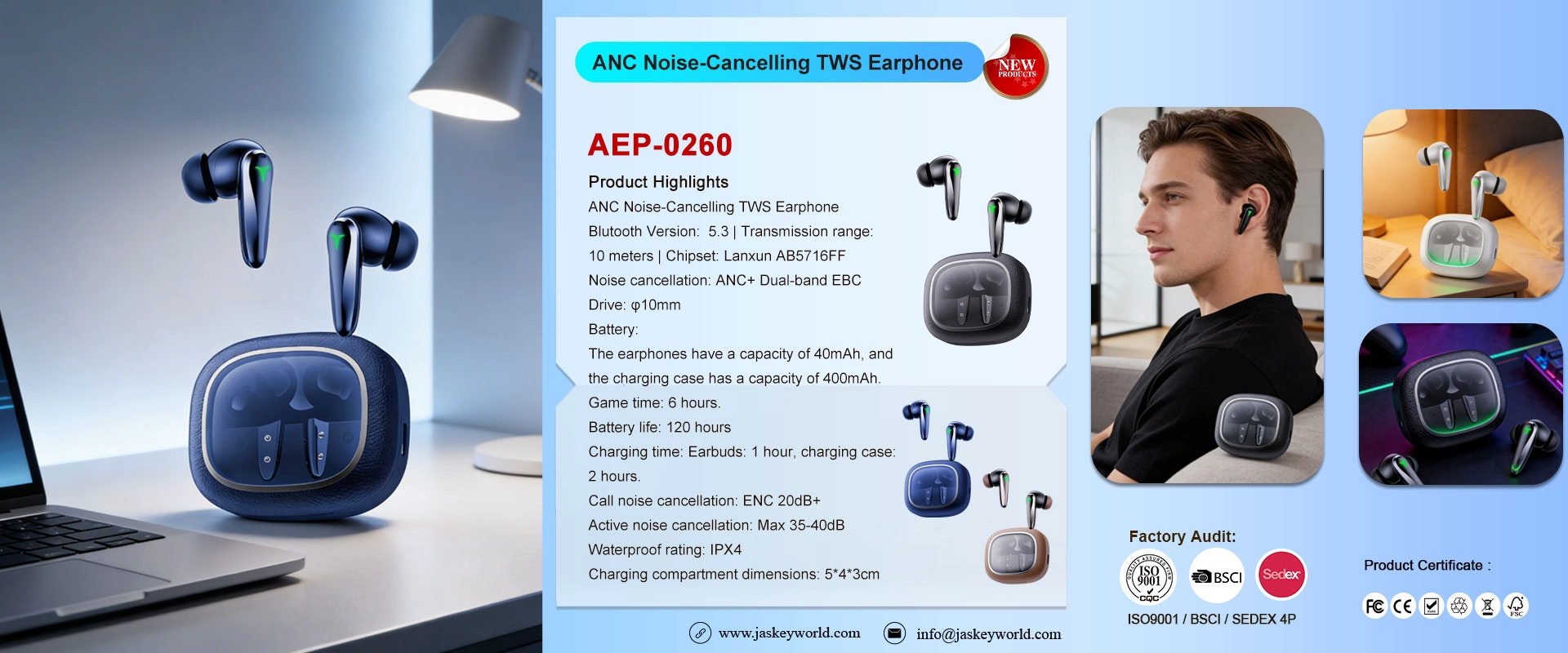
This China TWS Earphone features Bluetooth 5.4 connectivity, up to 10 meters of wireless range, and 2.5–4 hours of playback for everyday listening, commuting, travel, and lifestyle use. The compact charging case with a 200mAh battery provides convenient portability, while the practical design makes it suitable for retail, e-commerce, promotional gifting, and wholesale distribution. As a China TWS earphone manufacturer, Jaskey Limited supports OEM/ODM customization for brands, distributors, and consumer electronics buyers seeking reliable wireless earbuds for global markets.
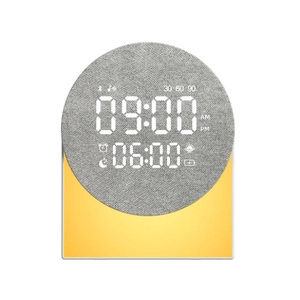
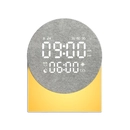
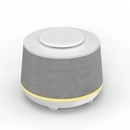
Discover the latest trends in white noise Bluetooth speakers and smart sleep audio. This article explores changing consumer needs, multifunctional product innovation, ecommerce opportunities, and how OEM/ODM manufacturers can help brands develop differentiated sleep and lifestyle audio products for global markets.
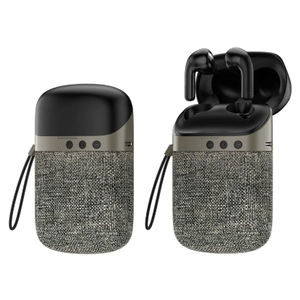
The 2-in-1 Wireless Speaker with TWS Earphone is an innovative all-in-one audio solution that combines a portable Bluetooth speaker and wireless earbuds in one compact design. Featuring Bluetooth V5.3, hands-free calling, TWS function and a built-in charging storage box, it provides flexible options for shared music and personal listening. With its stylish ABS plastic and fabric design, 5W speaker output and portable size, this multifunctional audio product is ideal for travel, office, home entertainment, gift markets and lifestyle retail. Designed for global brands, retailers and distributors, it also supports OEM/ODM customization to create differentiated wireless audio products for competitive markets.
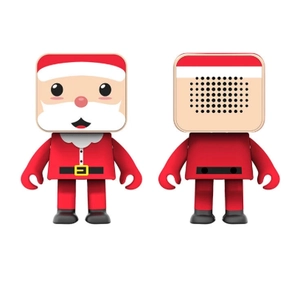
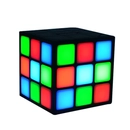
The Dancing Cube Santa Claus Mini Speaker reflects the growing trend toward creative, lifestyle-driven audio products. Combining Bluetooth 5.0 connectivity, hands-free calling, a compact cube design, and a festive Santa Claus theme, it offers a distinctive option for holiday gifting, retail, and social-commerce channels. For brands, distributors, and e-commerce sellers, this type of creative Bluetooth speaker also presents opportunities for private label, OEM/ODM development, and seasonal product expansion.
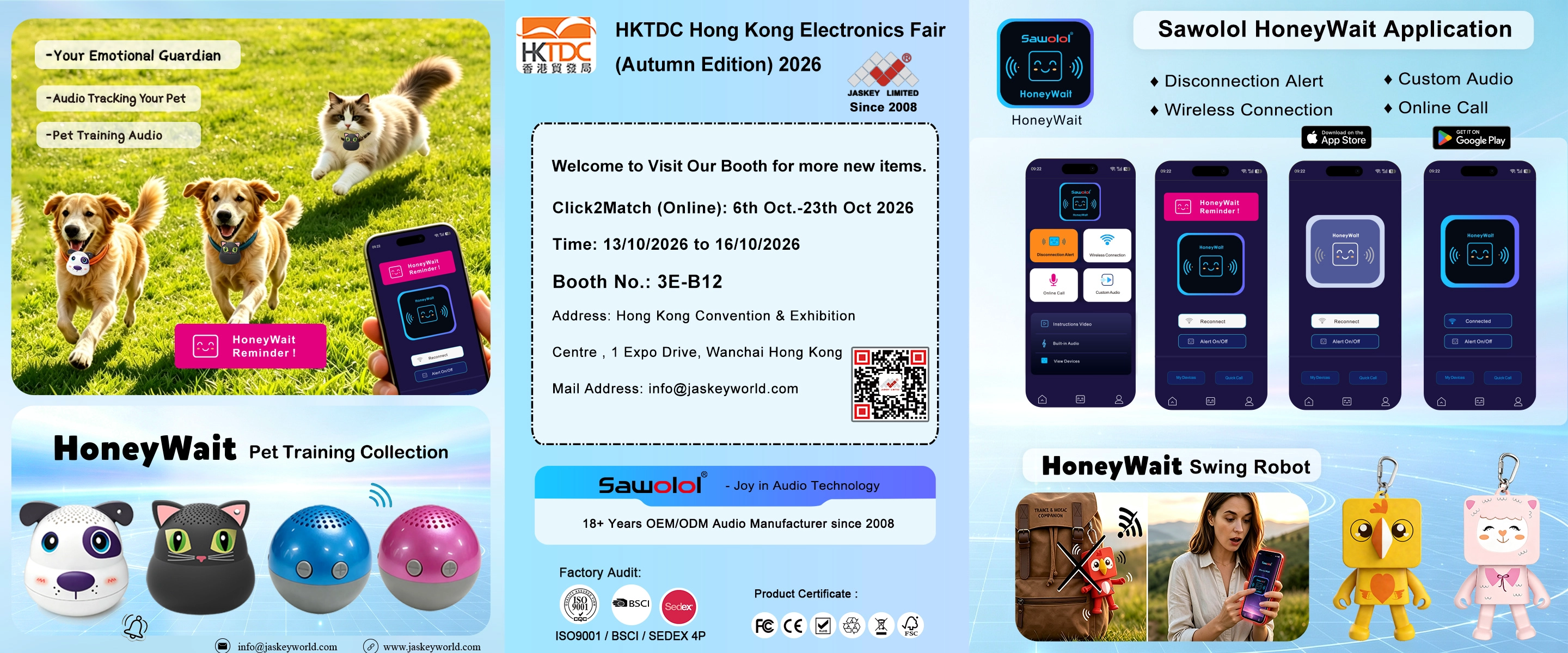
The Honeywait Pet Companion is a smart pet device designed to combine wireless connectivity, communication and everyday pet care in one practical product. Featuring Bluetooth 5.4, app control, disconnection alerts, custom training audio, online calling and a leash-friendly hook, it supports pet walking, training and short-distance communication. With its differentiated functionality and lifestyle-focused design, this smart pet companion offers consumer electronics brands, retailers and distributors an attractive opportunity to expand into the growing pet technology market through China OEM/ODM cooperation.
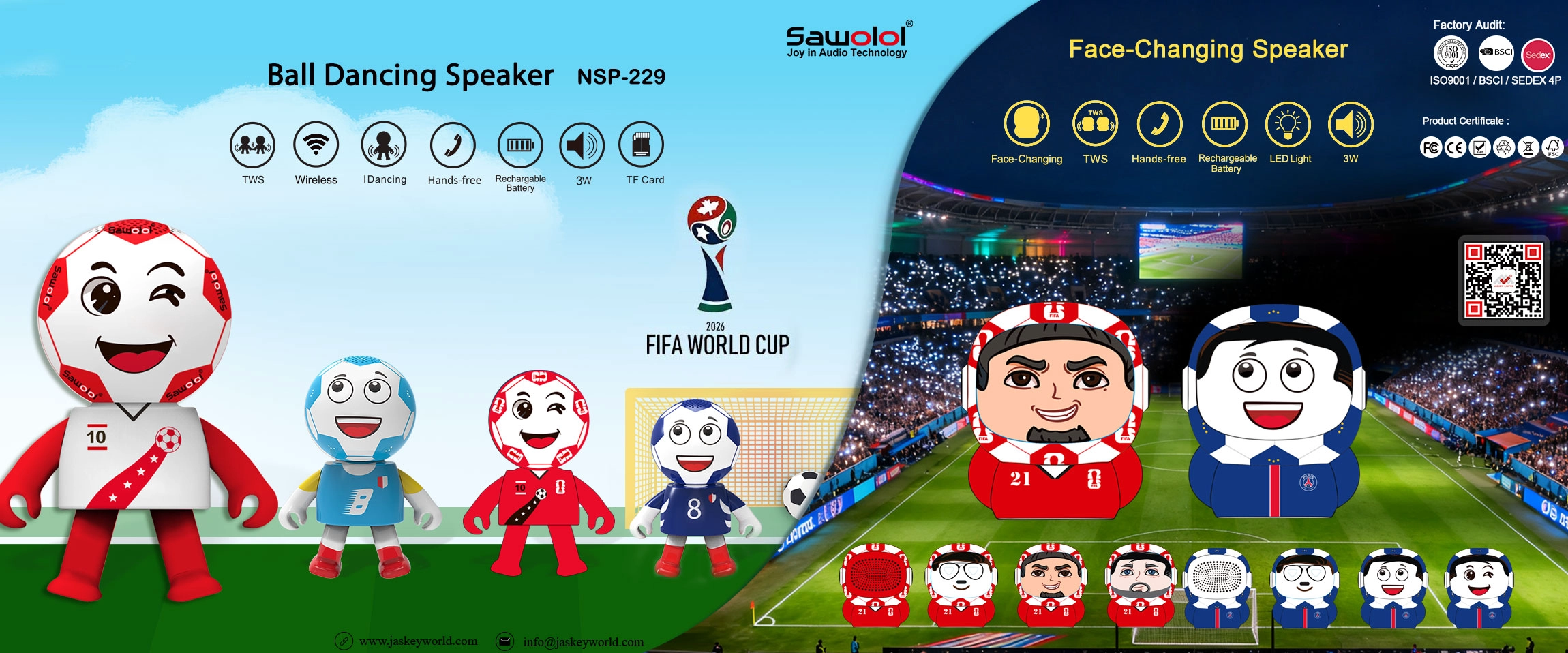
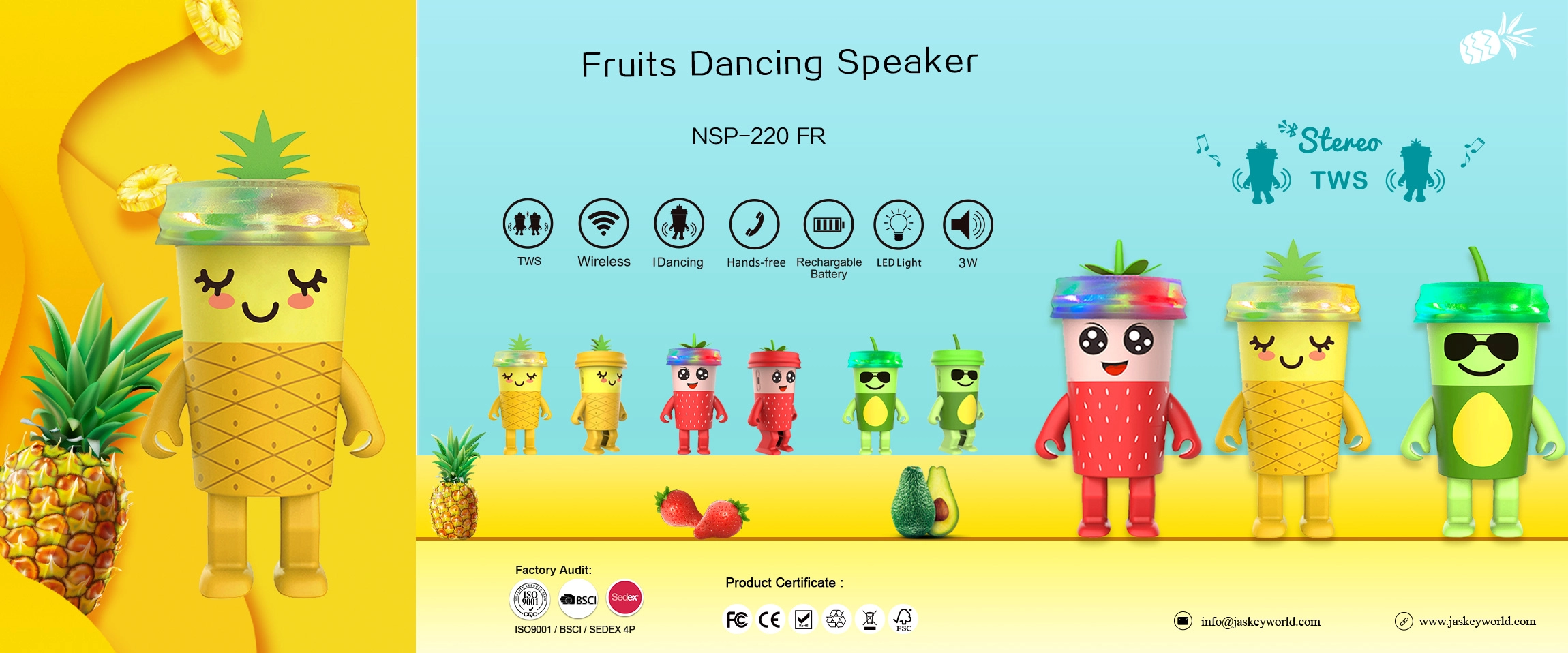
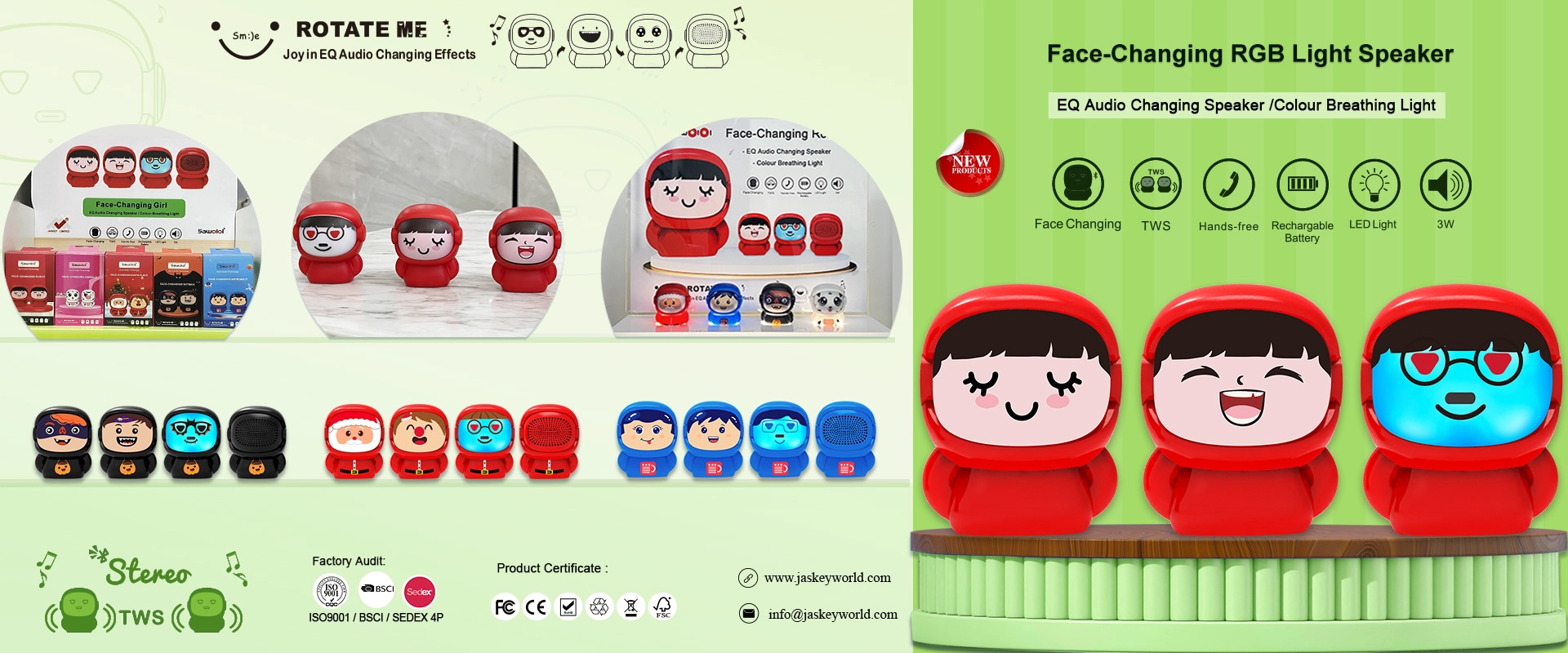
The Bluetooth speaker market is moving beyond traditional portable audio. As consumers increasingly look for products that combine function, design, entertainment, and lifestyle appeal, creative speaker formats are creating new opportunities for brands, retailers, distributors, and e-commerce sellers.
The Dancing Cube Santa Claus Mini Speaker is a representative example of this development. Combining Bluetooth connectivity, hands-free calling, compact audio performance, and a recognizable Christmas character design, it demonstrates how a small speaker can become more than an audio device. It can also function as a gift, decorative product, entertainment accessory, and social-media-friendly consumer product.
For the global consumer electronics market, this shift is creating new possibilities around creative audio and seasonal product development.
Traditional Bluetooth speakers have largely competed around sound quality, battery life, connectivity, portability, and price. These specifications remain important, but they are no longer the only factors influencing purchasing decisions.
Consumers are increasingly attracted to experience-driven and lifestyle-driven products. Product appearance, personality, interaction, and usage scenarios can influence how a device is perceived before consumers even test its technical performance.
This is particularly relevant for mini speakers. Their compact size allows manufacturers to experiment with character shapes, decorative designs, moving elements, colors, and seasonal themes.
The growth of short-video commerce is also changing product discovery. TikTok and other social platforms favor products that can communicate their key feature visually within seconds. A dancing speaker has an inherent advantage in this environment because its movement can immediately demonstrate the product concept through unboxing videos, demonstrations, influencer content, and holiday gift recommendations.
This trend is contributing to a broader shift from specification-led audio products toward visually recognizable lifestyle audio.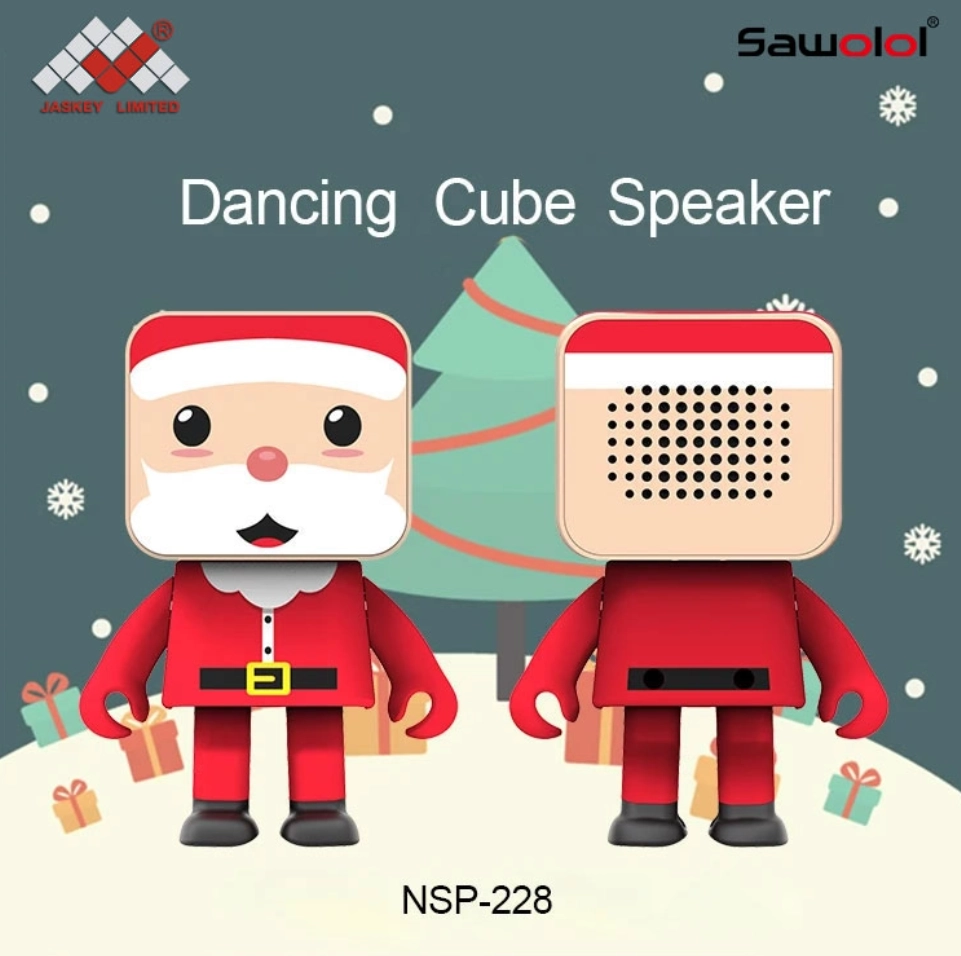
The growing number of Bluetooth speaker products has also created challenges for businesses.
The first is product homogeneity. Many portable speakers share similar cylindrical, rectangular, or compact designs and offer comparable basic functions. When products appear similar, brands can find it difficult to build a distinctive identity.
The second challenge is price competition. On major e-commerce platforms, buyers can compare products based on specifications and price within seconds. If the product concept itself is not differentiated, competing primarily through price can place pressure on margins.
A third issue is insufficient product innovation. Adding another Bluetooth version or slightly increasing battery capacity may improve specifications, but it does not necessarily create a new consumer experience.
For brands targeting younger consumers, gift buyers, lifestyle shoppers, or social-commerce audiences, visual differentiation and emotional appeal can become important parts of product strategy.
Creative audio products provide one potential response to these challenges.
Dancing Bluetooth speakers, character speakers, mini lifestyle speakers, and seasonal audio products can introduce new product stories while retaining the core function of wireless audio.
The Dancing Cube Santa Claus Mini Speaker illustrates this opportunity particularly well. Its compact cube format and Santa Claus styling give it a clear seasonal identity, while Bluetooth 5.0, a 3W speaker, hands-free calling, up to two hours of working time, and a one-hour charging time provide practical everyday functionality.
This combination creates several potential commercial applications.
For holiday retail, Christmas-themed speakers can be incorporated into seasonal gift collections and promotional displays. For e-commerce sellers, a visually distinctive product can provide content opportunities for TikTok, Amazon, Shopify, and independent online stores. For distributors, seasonal creative audio can complement conventional Bluetooth speaker portfolios and introduce products with a different merchandising angle.
Private-label development can further support differentiation through customized colors, packaging, branding, product styling, and market-specific configurations.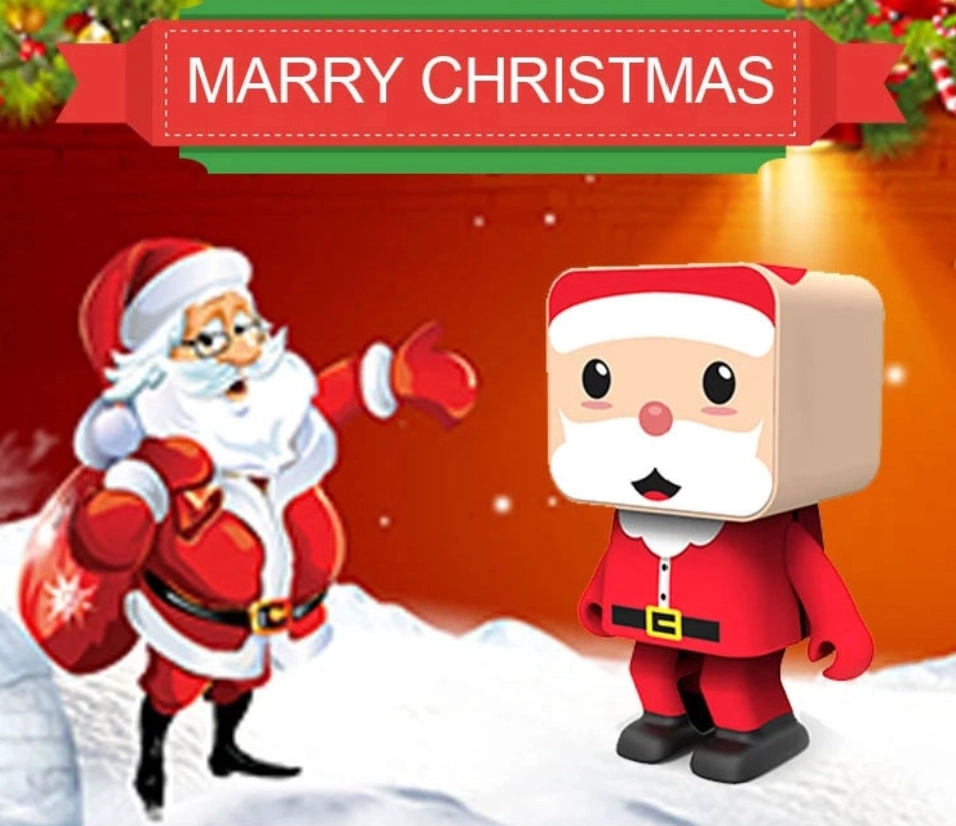
The development of creative consumer electronics requires more than manufacturing capacity. R&D, industrial design, engineering, supply-chain management, and market adaptation all influence whether a product concept can be successfully commercialized.
For a China consumer electronics OEM/ODM manufacturer, product development capability is particularly important. R&D teams can translate market trends into functional product concepts, while industrial designers can develop distinctive shapes, character themes, materials, and visual details.
OEM, ODM, and private-label capabilities also allow different buyers to adapt a product for their own markets. Depending on the business model, customization may include product appearance, colors, packaging, branding, functionality, and selected hardware configurations.
Supply-chain stability is another important consideration. Efficient component sourcing, production planning, quality control, and cost management can help manufacturers balance product innovation with commercial requirements.
Global market experience is equally relevant. Products intended for Europe, Japan, South Korea, and Australia may require different approaches to compliance, packaging, consumer preferences, and retail positioning. A manufacturer with international project experience can incorporate these considerations earlier in the development process.
The Bluetooth speaker category is gradually expanding from traditional portable audio toward creative, lifestyle-oriented, and experience-driven products. Dancing speakers and seasonal designs such as the Dancing Cube Santa Claus Mini Speaker demonstrate how audio technology can be combined with entertainment, gifting, visual design, and social commerce.
For brands, retailers, distributors, and cross-border e-commerce sellers, this trend creates opportunities to develop products with stronger visual identities and more specific consumer scenarios.
For manufacturers, the ability to combine product R&D, industrial design, OEM/ODM customization, supply-chain management, and international market adaptation is becoming increasingly important.
As creative audio continues to evolve, businesses can explore new opportunities through brand cooperation, private-label development, OEM/ODM projects, and distribution partnerships—particularly in seasonal gifting, lifestyle electronics, and social-commerce channels.