The portable Bluetooth speaker market is moving beyond general-purpose audio. Consumers increasingly expect products to fit specific lifestyles, activities, and real-world environments rather than simply provide wireless music playback.
This shift is creating new opportunities for Golf Magnetic Speakers.
A portable golf speaker with a magnetic mount can combine Bluetooth audio, outdoor durability, practical installation, and lifestyle-oriented design in one product. Instead of being carried separately or placed loosely inside a golf cart, the speaker can attach to a compatible metal surface and provide convenient audio access throughout the game.
For brands, retailers, distributors, and e-commerce sellers, this category represents a broader market trend: the growing value of scenario-based consumer electronics.
The opportunity is no longer just to introduce another portable speaker. It is to develop a product that fits naturally into the modern golf experience.
1. Industry Trends: From General Bluetooth Speakers to Experience-Driven Audio
Consumer demand is becoming increasingly experience-driven and lifestyle-driven.
Golf itself has evolved beyond a traditional sporting activity. For many consumers, it is connected with outdoor recreation, social interaction, travel, business networking, club events, and weekend leisure. This creates demand for accessories that improve convenience and add enjoyment without interrupting the activity.
Audio products designed specifically for these environments are therefore gaining greater relevance.
A magnetic golf cart speaker can address a simple but important user experience problem: where should the speaker be placed during a round of golf?
Traditional portable speakers may need to be stored in a bag, placed inside a cart, or secured with straps. A strong magnetic mounting system creates a more direct solution. Users can attach the speaker to a suitable metal surface, remove it when needed, and reposition it without additional mounting accessories.
From a product development perspective, the magnetic function must work as part of the complete product experience. Magnetic strength, mounting stability, product weight, waterproof structure, and overall industrial design all need to be considered during engineering.
At the same time, portable audio design is moving in three clear directions:
Portable and Activity-Focused
Consumers expect products to move with them. Compact structures, convenient mounting systems, rechargeable batteries, and Type-C charging support increasingly mobile lifestyles.
For golf and other outdoor applications, portability must be combined with stability. A product that is easy to carry but difficult to position may not provide a strong user experience.
Smart and Multifunctional
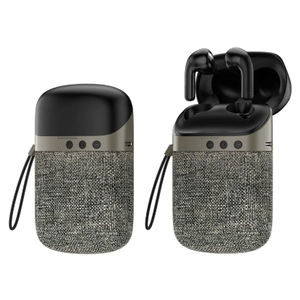
The market is also moving beyond basic Bluetooth playback. Functions such as TF card, USB, AUX, TWS wireless pairing, lighting, and Bluetooth connectivity can expand the range of use scenarios.
A portable golf speaker with Bluetooth 5.3, TWS functionality, and up to 18 meters of unobstructed wireless range can support both individual and social outdoor use.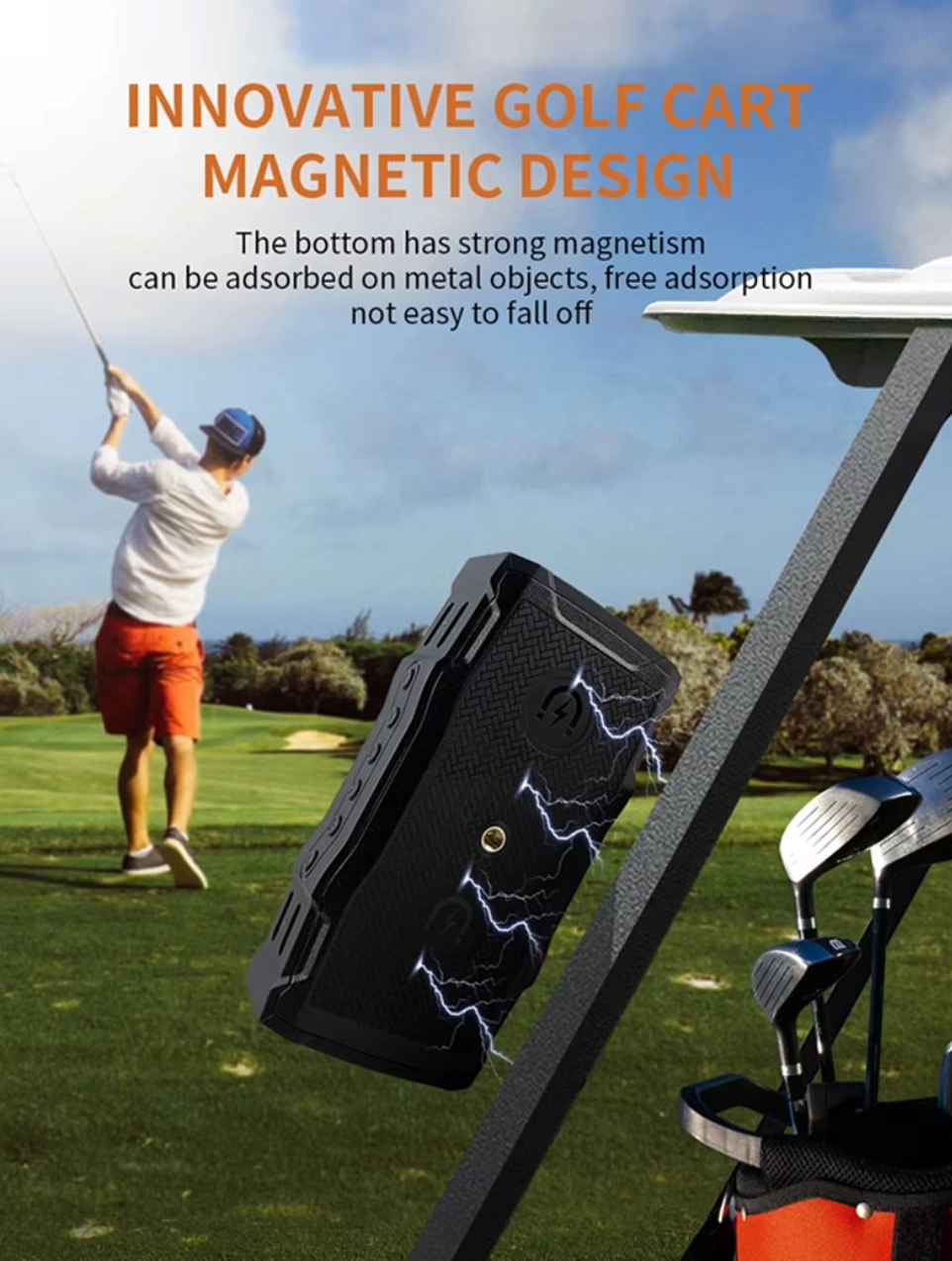
Interactive and Social
Portable speakers are increasingly becoming visible lifestyle products rather than hidden electronic devices.
Lighting, distinctive industrial design, and application-specific functions can make products easier to demonstrate through digital content. This is especially important as TikTok, Instagram Reels, YouTube Shorts, and short-video commerce continue to influence consumer discovery.
A short video showing a Golf Magnetic Speaker attaching to a golf cart and playing music during an outdoor round can communicate product value more effectively than a long list of technical specifications.
2. Market Pain Points: Why Generic Speaker Competition Is Becoming Harder
Despite continued demand for Bluetooth speakers, many manufacturers and brands face the same challenges.
The first is product homogenization.
A large number of portable speakers share similar shapes, Bluetooth functions, waterproof ratings, and basic specifications. When products appear interchangeable, purchasing decisions often shift toward price.
The second challenge is intense price competition.
Generic speakers can be easy to source, but they can also be difficult to differentiate. Brands may find themselves competing on unit cost, discounts, advertising spending, and marketplace visibility.
The third problem is that many products add features without improving the actual user experience.
For activity-specific products, meaningful innovation should solve a practical problem.
For a golf speaker, that includes:
- Where the speaker is mounted
- Whether it remains stable during cart movement
- Whether it can withstand outdoor conditions
- Whether it provides enough battery capacity for extended use
- Whether controls are easy to access during activity
- Whether the product can also be used beyond the golf course
This is why scenario-based design is becoming more important than simply adding additional functions.
A portable golf speaker with a magnetic mount provides a clearer product story than a general-purpose Bluetooth speaker. It connects technology directly with an identifiable usage scenario.
3. Market Opportunities: Golf Lifestyle Audio, Social Commerce and Private Label Growth
Golf magnetic speakers can serve multiple market channels.
Potential opportunities include:
- Golf equipment and accessory brands
- Sporting goods retailers
- Golf clubs and pro shops
- Outdoor and lifestyle retailers
- Amazon and Shopify sellers
- Corporate gift companies
- Golf event organizers
- Private label consumer electronics brands
The e-commerce environment is particularly important.
On Amazon, product differentiation can support more focused search positioning around terms such as Golf Speaker, Golf Cart Bluetooth Speaker, and Magnetic Golf Cart Speaker.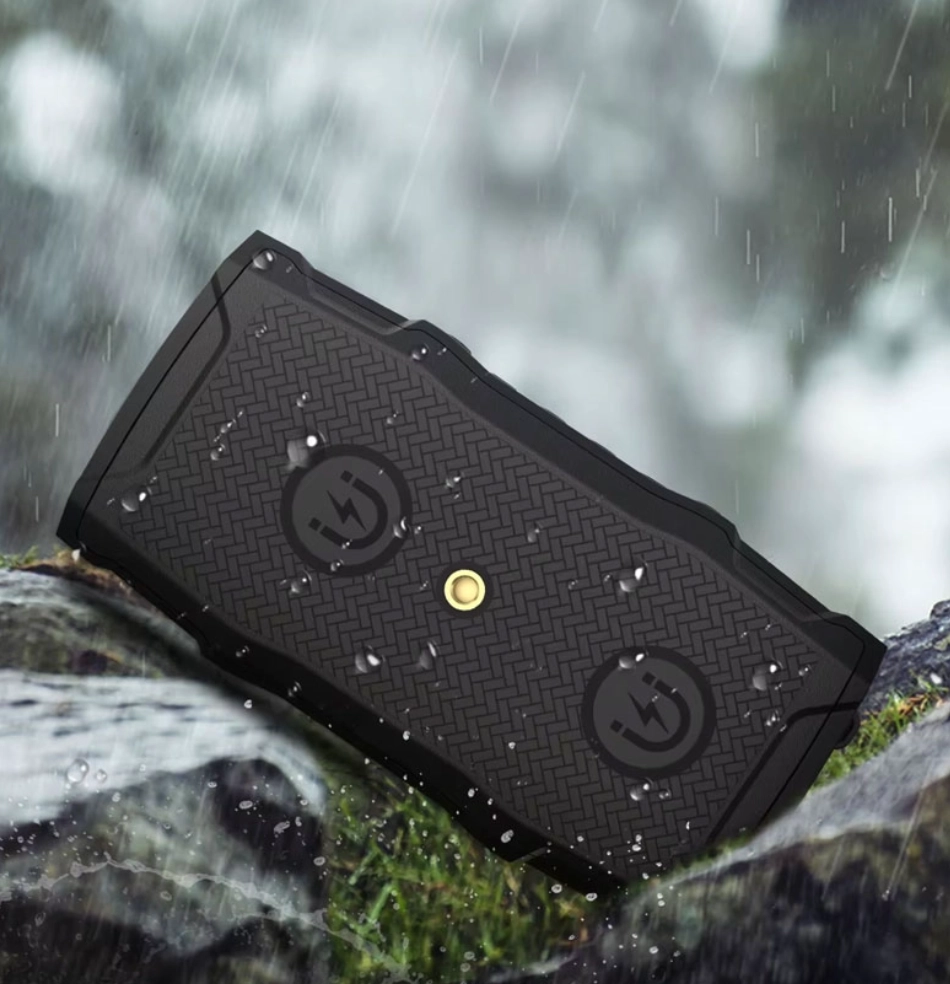
On TikTok and short-video commerce platforms, the product has strong demonstration potential. A magnetic attachment, outdoor waterproof design, lighting effects, and real golf cart usage can create visually engaging product content.
For Shopify stores and direct-to-consumer brands, a specialized golf lifestyle product can also support stronger brand storytelling than a large selection of generic speakers.
The gift market provides another opportunity. Golf-related products can be relevant to Father's Day, Christmas, birthdays, corporate golf events, tournaments, club promotions, and seasonal campaigns.
Private label development is also becoming increasingly important.
Instead of entering the market with another standard Bluetooth speaker, brands can develop customized products around specific sports, lifestyles, communities, and consumer interests. This may include customized colors, logos, packaging, industrial design, lighting effects, functions, and product positioning.
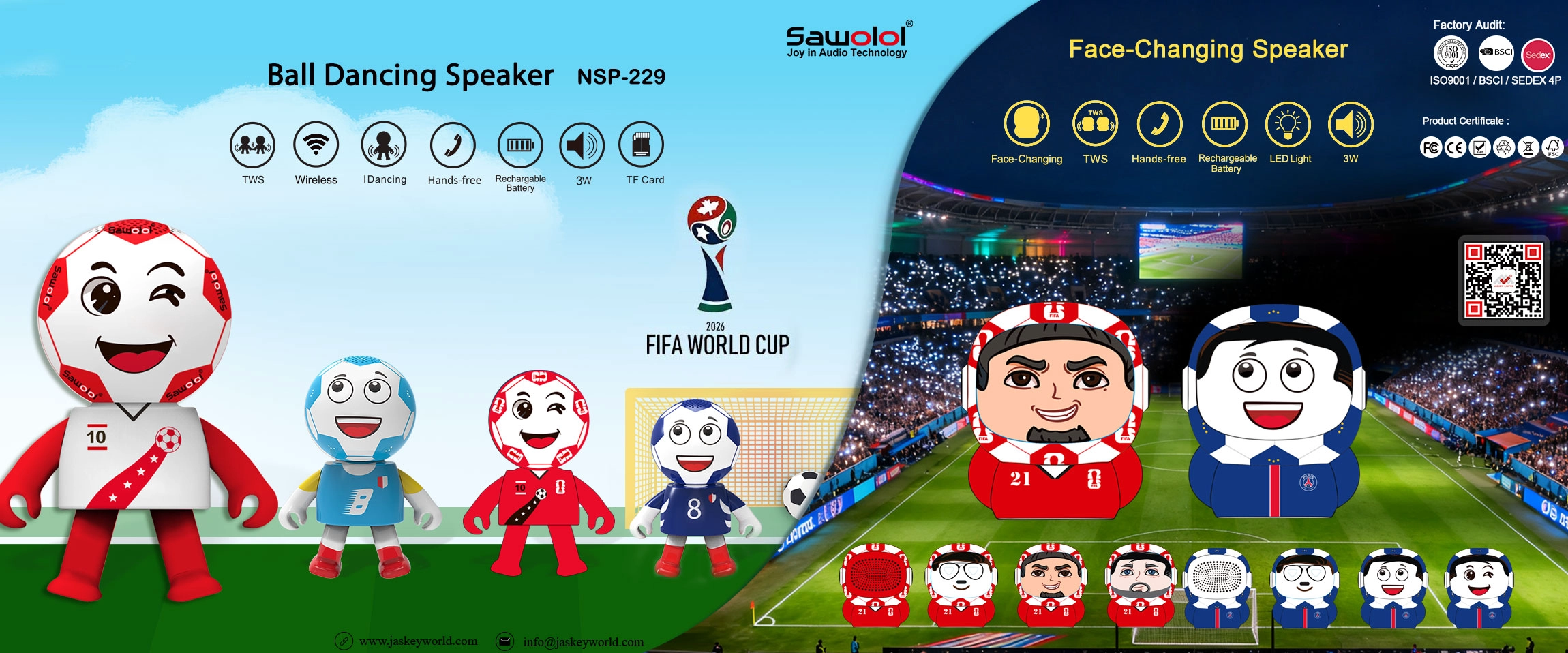
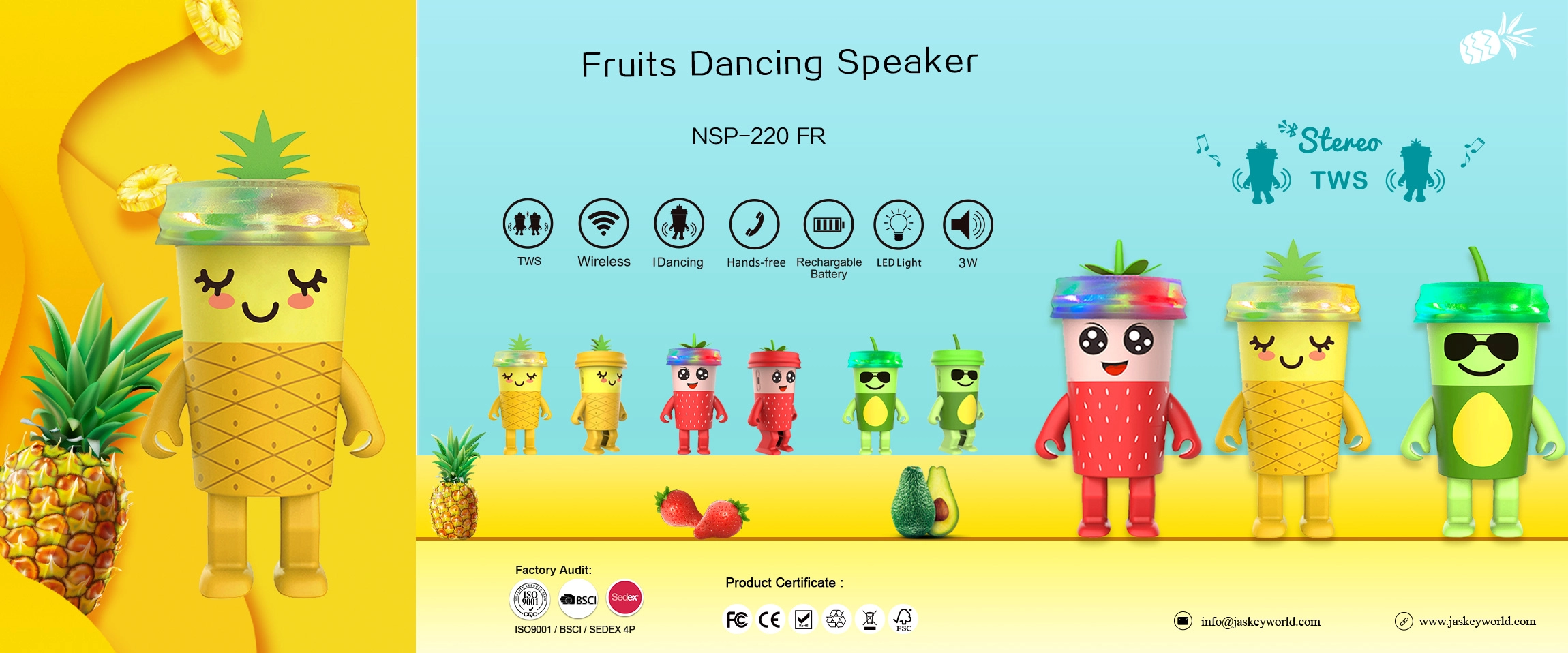
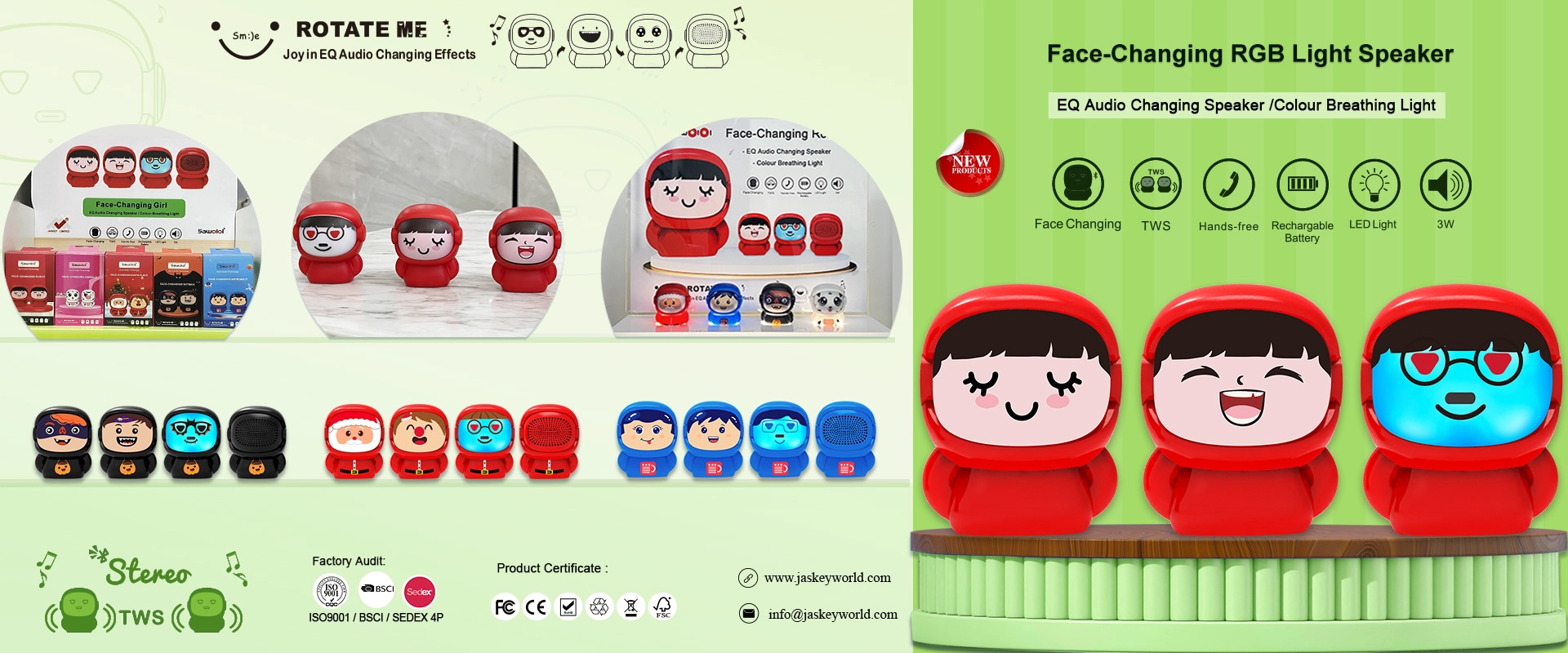
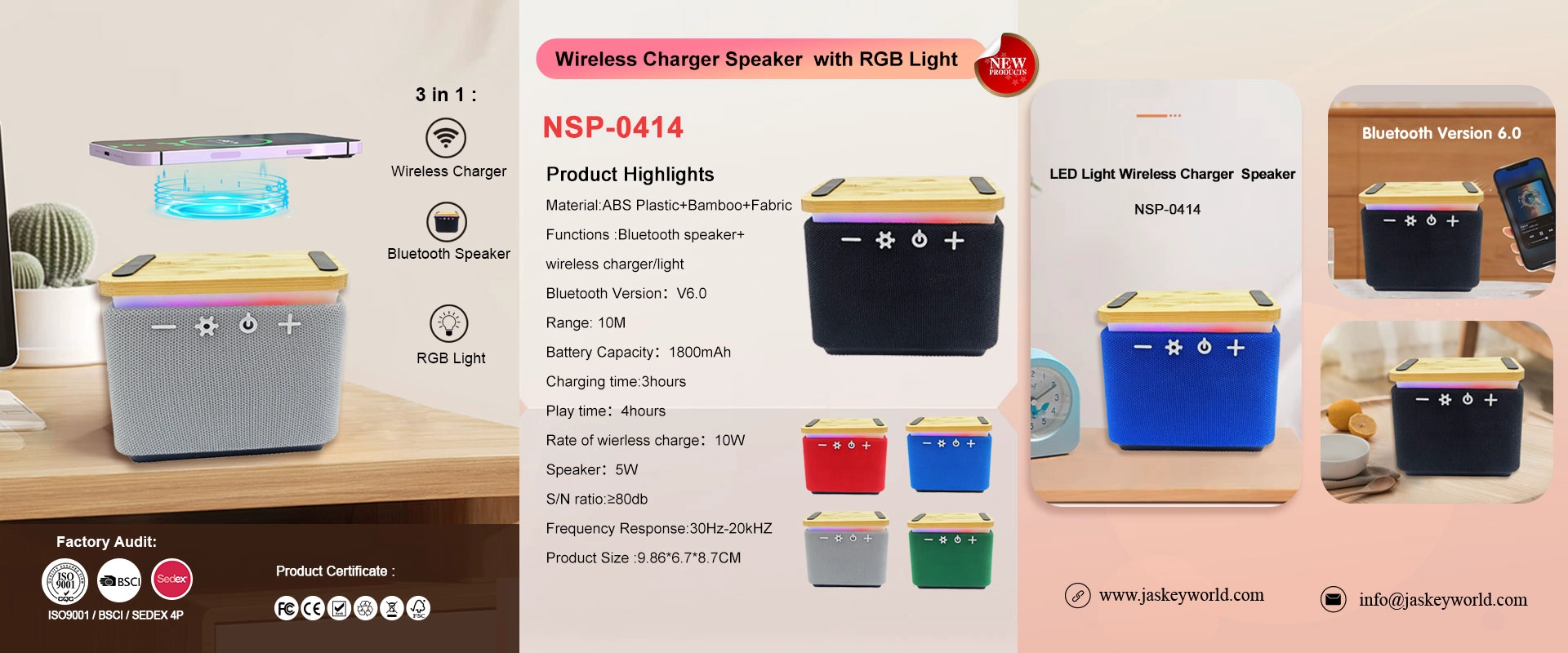
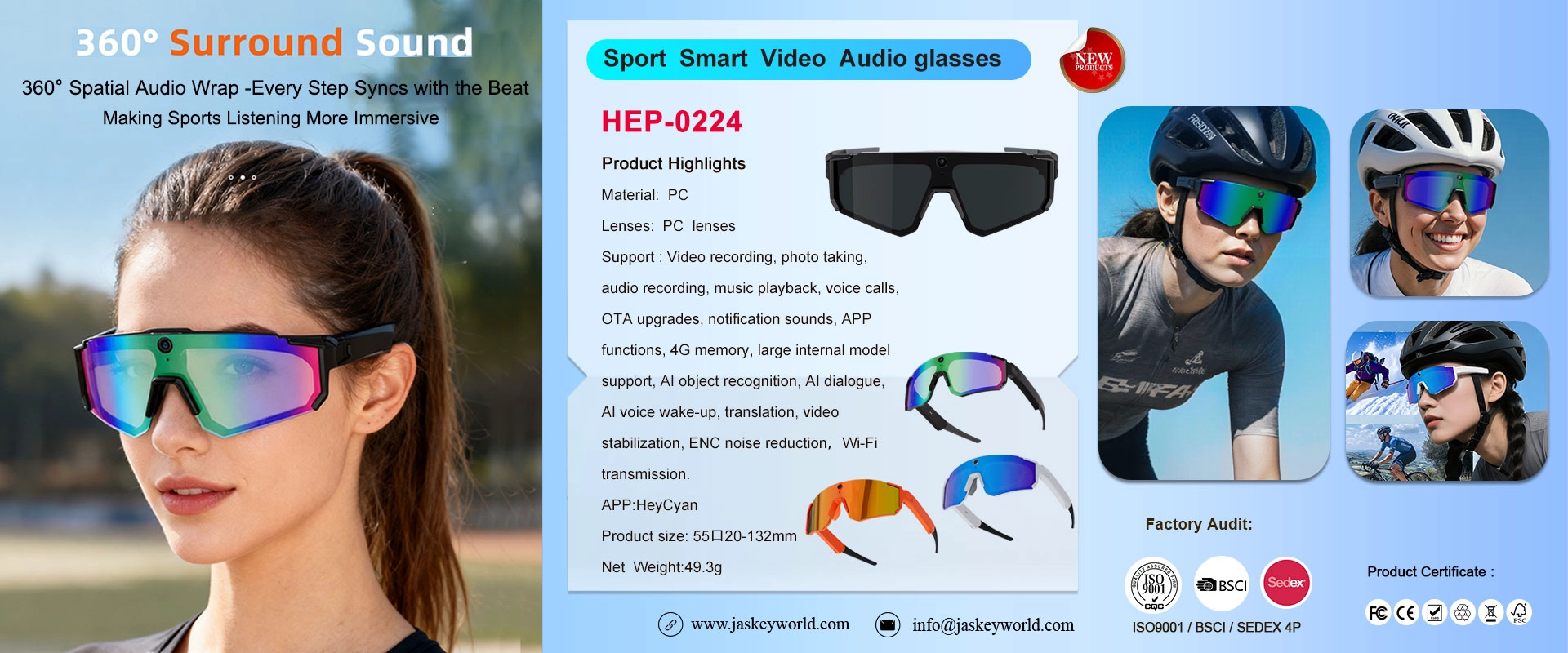
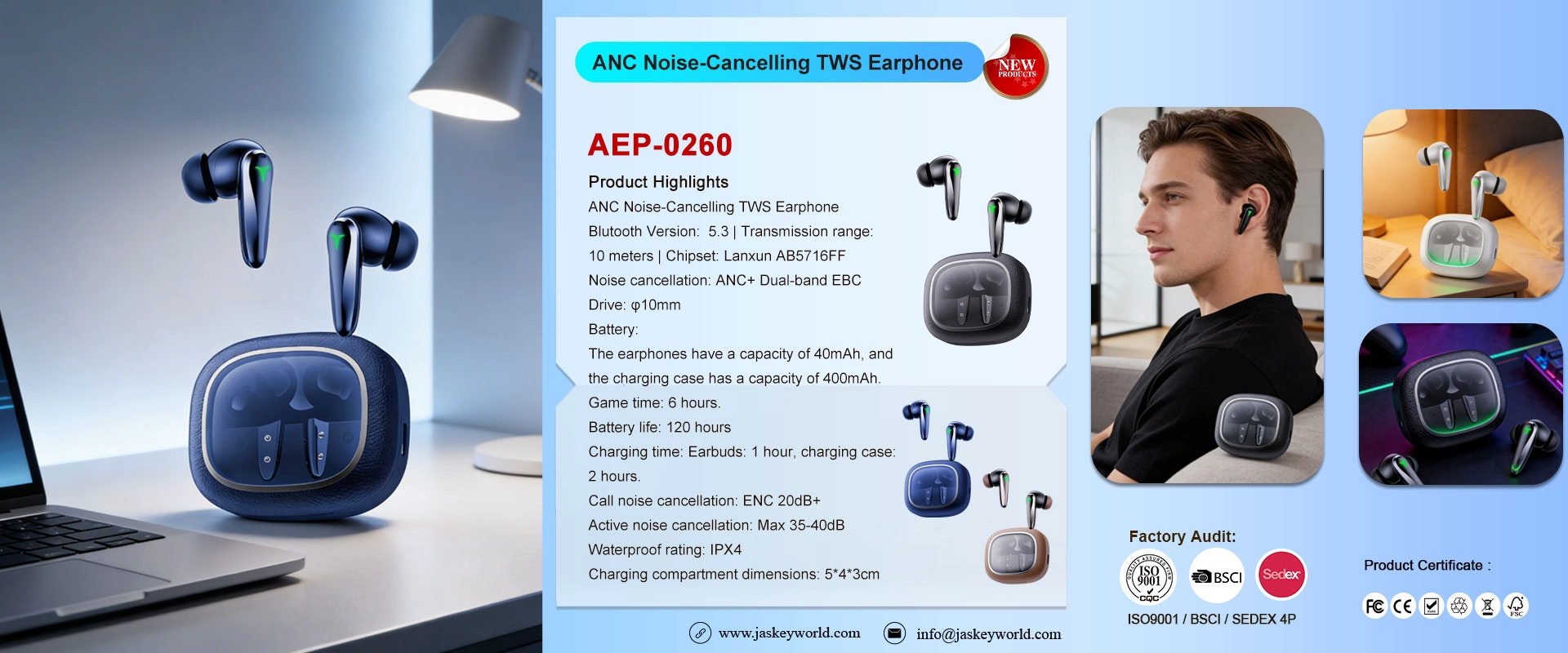
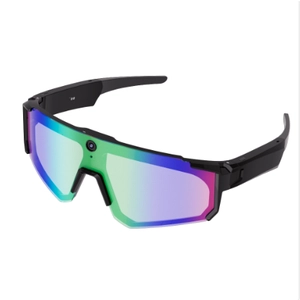
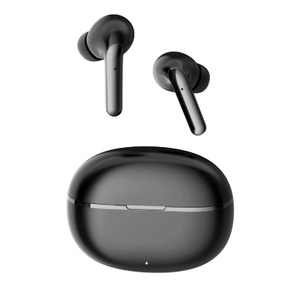
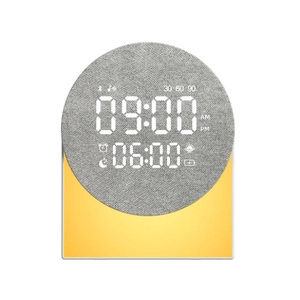
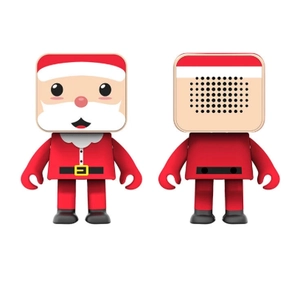
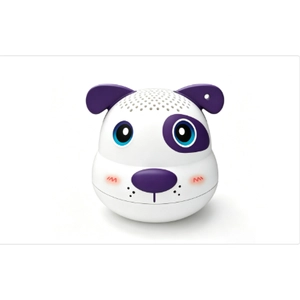
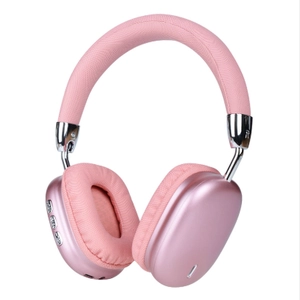
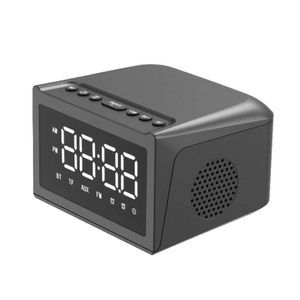
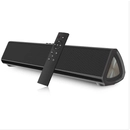
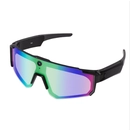
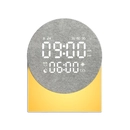
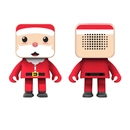
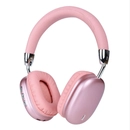
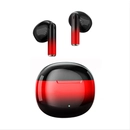
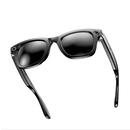
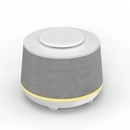
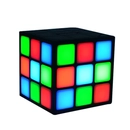
The wider trend can also be seen across other creative audio categories, including dancing speakers, outdoor lifestyle audio, wearable audio, and smart audio products.
The common opportunity is clear: technology is increasingly valuable when it is designed around a specific consumer scenario.
4. Global Market Changes: Why Regional Adaptation Matters
Scenario-based audio products require different market strategies across regions.
In Europe, outdoor recreation, portable electronics, product durability, and compliance remain important considerations. Consumers and retailers may also expect products to meet regional quality and regulatory requirements.
In Japan, compact design, product usability, portability, material quality, and refined industrial design can influence purchasing decisions.
In South Korea, visual design, lifestyle trends, social media influence, and product differentiation can play a stronger role in consumer product discovery.
In Australia, golf, outdoor recreation, travel, and active lifestyles create relevant opportunities for portable waterproof audio products.
For international brands, a successful product strategy therefore requires more than translating packaging. Product appearance, functions, packaging, compliance planning, and channel positioning may all need to be adapted to the target market.
5. Manufacturer Value: From Product Concept to Scalable Production
For a Golf Magnetic Speaker Manufacturer, product development requires more than basic speaker assembly.
A successful product needs to combine electronics, acoustics, battery systems, structural engineering, waterproof protection, industrial design, and manufacturing feasibility.
For example, a golf magnetic speaker may integrate:
- ABS, metal, and silicone materials
- Bluetooth 5.3 connectivity
- Bluetooth, TF, USB, AUX, and TWS functions
- IP67 waterproof protection
- Magnetic mounting
- Integrated lighting
- 3.7V 3600mAh battery capacity
- 15W × 2 speaker power
- Type-C 5V/2A input
- Up to 18 meters of unobstructed wireless distance
The challenge is not simply integrating these features. It is ensuring that they work together within a reliable, commercially viable product.
From an OEM/ODM perspective, customization can include industrial design, structural development, colors, logos, functions, packaging, and private label requirements.
Fast product development capability can also help brands respond to changing consumer trends. However, speed should be supported by stable supply chains, production consistency, quality control, and realistic cost management.
For global buyers, the most valuable manufacturing partnerships are often those that can connect product innovation with scalable production and international market requirements.
6. Conclusion: The Future of Portable Audio Is Scenario-Based
The next stage of portable audio growth will not be defined only by higher output power or larger batteries.
Increasingly, successful products will be designed around how and where consumers actually use them.
The Golf Magnetic Speaker is one example of this opportunity. By combining portable audio with magnetic mounting, waterproof protection, multifunctional playback, and golf lifestyle applications, brands can move beyond generic speaker competition and explore a more defined product category.
For brands, the opportunity lies in developing products around sports and lifestyle communities. For retailers and distributors, differentiated application-specific products can create alternatives to highly competitive general-purpose audio categories. For private label businesses, customized product development can support stronger brand positioning.
As outdoor lifestyles, social commerce, and experience-driven purchasing continue to influence consumer electronics, collaboration between brands and capable product development partners will become increasingly important.
For companies exploring Golf Magnetic Speaker OEM/ODM development, private label opportunities, or international distribution, the focus should not simply be on producing another Bluetooth speaker.
The greater opportunity is to develop a product with a clear application, recognizable differentiation, and a meaningful place in the consumer's lifestyle.