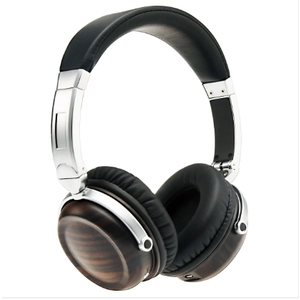
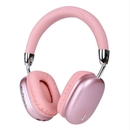
The global headphone market is evolving as consumers look beyond basic wireless connectivity and sound performance. Design, comfort, material selection and lifestyle compatibility are becoming important considerations in product selection. For brands seeking differentiation, Bluetooth wood headphones offer an alternative to conventional all-plastic designs.
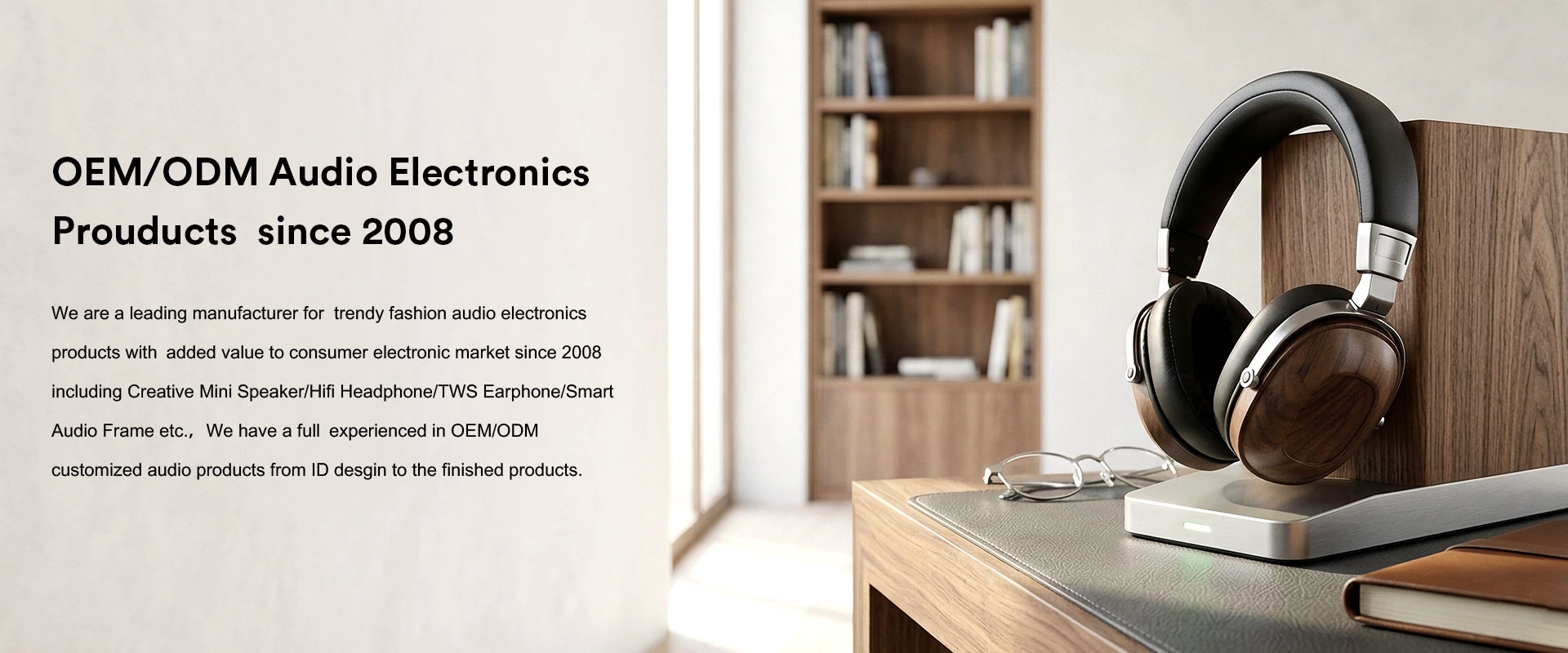
Experience-driven consumption is influencing purchasing decisions. Consumers increasingly value products that combine practical functionality with distinctive aesthetics. Wood accents paired with metal components can create a recognizable visual identity, appealing to customers who appreciate natural textures, modern styling and everyday usability.
Wireless listening remains central to personal audio development. Bluetooth headphones provide convenient connectivity for commuting, working, studying and relaxing. Features such as Qualcomm® aptX™ audio support can also help brands develop products for compatible devices and consumers interested in wireless audio performance.
Social media and short-video commerce are changing product discovery. Platforms such as TikTok allow brands to showcase material details, product styling and everyday use through engaging visual content. On Amazon, Shopify and other e-commerce channels, distinctive designs can help products attract attention, provided that product images, descriptions and actual performance support the positioning.
Across Europe, Japan, South Korea and Australia, brands must also consider regional preferences, target pricing, packaging and applicable product requirements. Bluetooth wood headphones represent one potential direction for businesses looking to combine wireless convenience with a differentiated design proposition.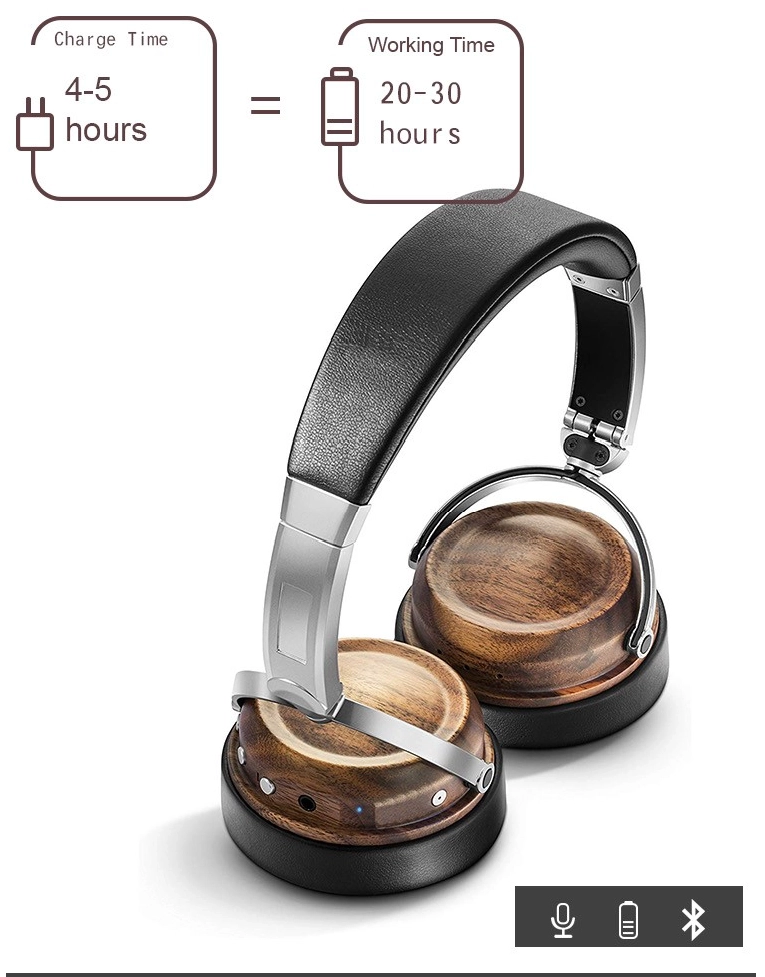
2. Market Pain Points: Overcoming Product Homogenization
Despite continued development in wireless audio, competition remains intense. Many headphones share similar silhouettes, materials and feature sets, making it difficult for brands to establish a recognizable identity.
Price competition is one consequence of product homogenization. When products appear interchangeable, buyers may focus primarily on price rather than design, comfort or overall value. This can put pressure on margins and make long-term brand building more challenging.
Limited product innovation creates another obstacle. Adding Bluetooth connectivity or increasing battery capacity may not be enough to distinguish a new product. Brands need to consider the complete user experience, including wearing comfort, material quality, controls, charging convenience and visual appeal.
For wood headphones, execution is particularly important. Material consistency, surface finishing, structural integration and component alignment all influence the finished product. An attractive appearance must be supported by reliable construction and comfortable everyday use.
Online sellers face an additional challenge: shoppers cannot physically inspect a product before purchasing. Clear photography, accurate specifications, informative product descriptions and credible customer feedback therefore play an important role in communicating value.
3. Market Opportunities: Turning Design into Commercial Value
Bluetooth wood headphones offer several opportunities for brands, retailers and e-commerce businesses.
Lifestyle-oriented audio products provide a way to explore design-conscious market segments. A combination of wood and metal can create a distinctive appearance compared with conventional plastic headphones. Brands can develop positioning around material aesthetics, everyday listening and personal style, provided that the product quality supports the intended price point.
Social commerce and e-commerce create additional opportunities. Short videos can highlight the material contrast, on-ear design and wireless functionality, while Amazon and Shopify listings can communicate specifications, compatibility and practical benefits. Consistent visual presentation helps customers understand the product and compare available options.
Gift-oriented retail is another potential application. Distinctive materials and understated styling may appeal to shoppers looking for personal audio accessories for birthdays, holidays and other occasions. Thoughtful packaging and coordinated branding can strengthen the overall presentation without relying solely on technical specifications.
For businesses considering private-label products, this headphone concept offers a starting point for evaluating target customers, retail pricing and feature priorities. The goal is not simply to add wood to an existing design, but to create a product whose appearance, functionality and cost structure align with a clear market position.
4. Manufacturer Value: From Product Concept to Global Markets
An experienced OEM/ODM manufacturer can help brands translate market requirements into commercially viable audio products.
Product R&D and development efficiency support the evaluation of Bluetooth components, driver configurations, battery performance and product structure. Early technical assessment helps identify design constraints and align specifications with target costs.
Industrial design and material integration are especially relevant to Bluetooth wood headphones. Manufacturers need to consider surface finishing, component alignment, durability, weight and wearing comfort. These factors help maintain consistency between the product concept and the finished item.
OEM, ODM and private-label customization give businesses different development options. Depending on project requirements, customization may include product appearance, colors, branding, packaging and selected functional features. The available scope depends on the product platform, engineering feasibility and development budget.
Supply chain management and cost control are equally important. Component sourcing, production planning, quality inspections and manufacturing efficiency help balance product specifications with commercial requirements. Consistent processes can also support repeat orders and more predictable product development.
Global market adaptation requires attention to destination-specific requirements. Products intended for Europe, Japan, South Korea and Australia may require different documentation, labeling, packaging or compliance assessments depending on the product and sales channel. Applicable wireless, battery and product safety requirements should be reviewed for each market.
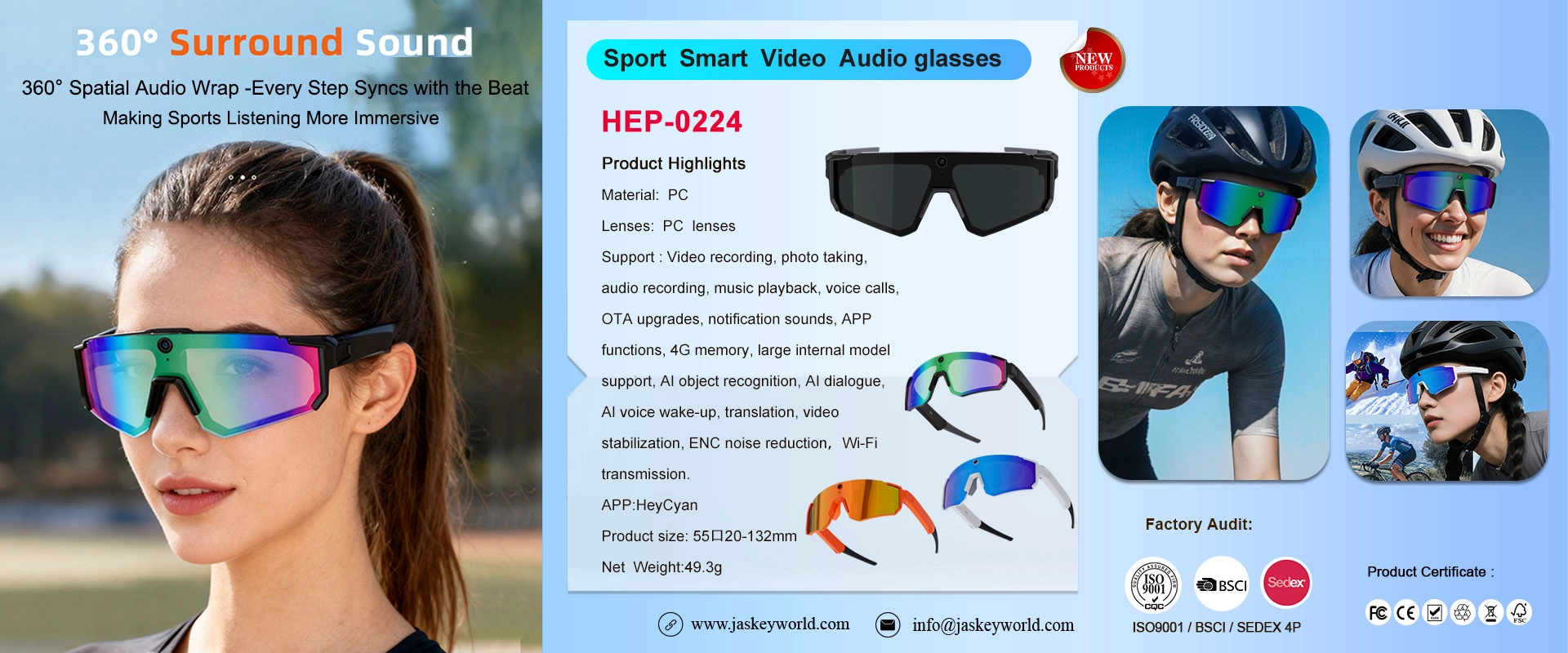
Since 2008, Jaskey Limited has focused on consumer electronics, including Bluetooth speakers, headphones, audio glasses and smart audio products. Its integrated product design, R&D and manufacturing capabilities support the development of audio products for changing market needs. Experience serving international markets also informs consideration of different customer preferences and product requirements.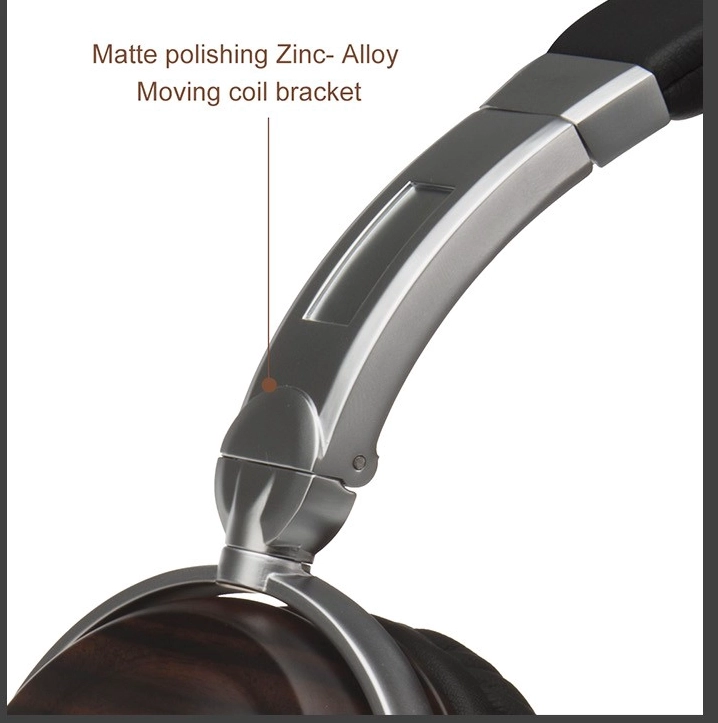
5. Conclusion: Developing Differentiated Bluetooth Headphones
Bluetooth wood headphones demonstrate how material selection, wireless functionality and lifestyle positioning can work together to create a distinctive audio product. For brands, long-term differentiation depends on more than appearance: comfort, reliable performance, consistent quality and appropriate pricing must work together.
As competition continues across online and traditional retail channels, product innovation and capable manufacturing partners remain important to building a competitive audio portfolio. Brands, retailers and distributors can evaluate wood headphones as a potential category extension, while OEM/ODM collaboration can help align product design and specifications with their target markets.
For businesses planning new audio products, reviewing consumer preferences, technical feasibility and target pricing is a practical first step toward developing a differentiated offering.