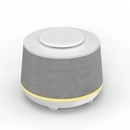
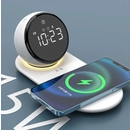
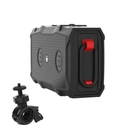
The soundbar speaker market is changing as consumers expect more flexible, connected, and lifestyle-oriented audio products. Traditional soundbars have mainly served as TV audio solutions, but Bluetooth connectivity, compact industrial design, and e-commerce are expanding their applications.
For brands, distributors, retailers, and e-commerce sellers, the opportunity is no longer simply to offer louder sound. Product design, connectivity, portability, user experience, and differentiation are becoming increasingly important factors in soundbar speaker development.
1. Industry Trends: How Soundbar Speakers Are Evolving
From Traditional TV Audio to Flexible Entertainment
One of the most important changes is the transition from fixed TV accessories to more flexible wireless audio products. Bluetooth soundbar speakers can connect with TVs, smartphones, tablets, laptops, and other compatible devices, allowing consumers to use one product across different entertainment scenarios.
This creates opportunities for compact soundbar designs that work in living rooms, bedrooms, gaming spaces, home offices, and other environments.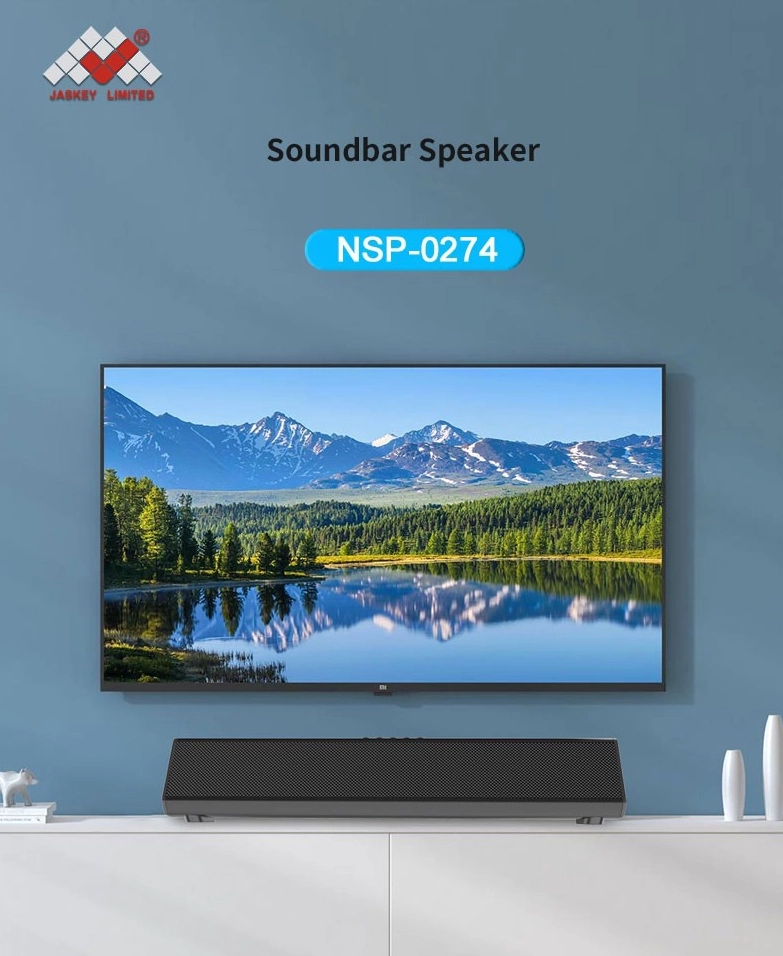
Experience Is Becoming More Important Than Specifications
Consumers still care about output power, battery life, frequency response, and connectivity. However, purchasing decisions are increasingly influenced by the overall experience.
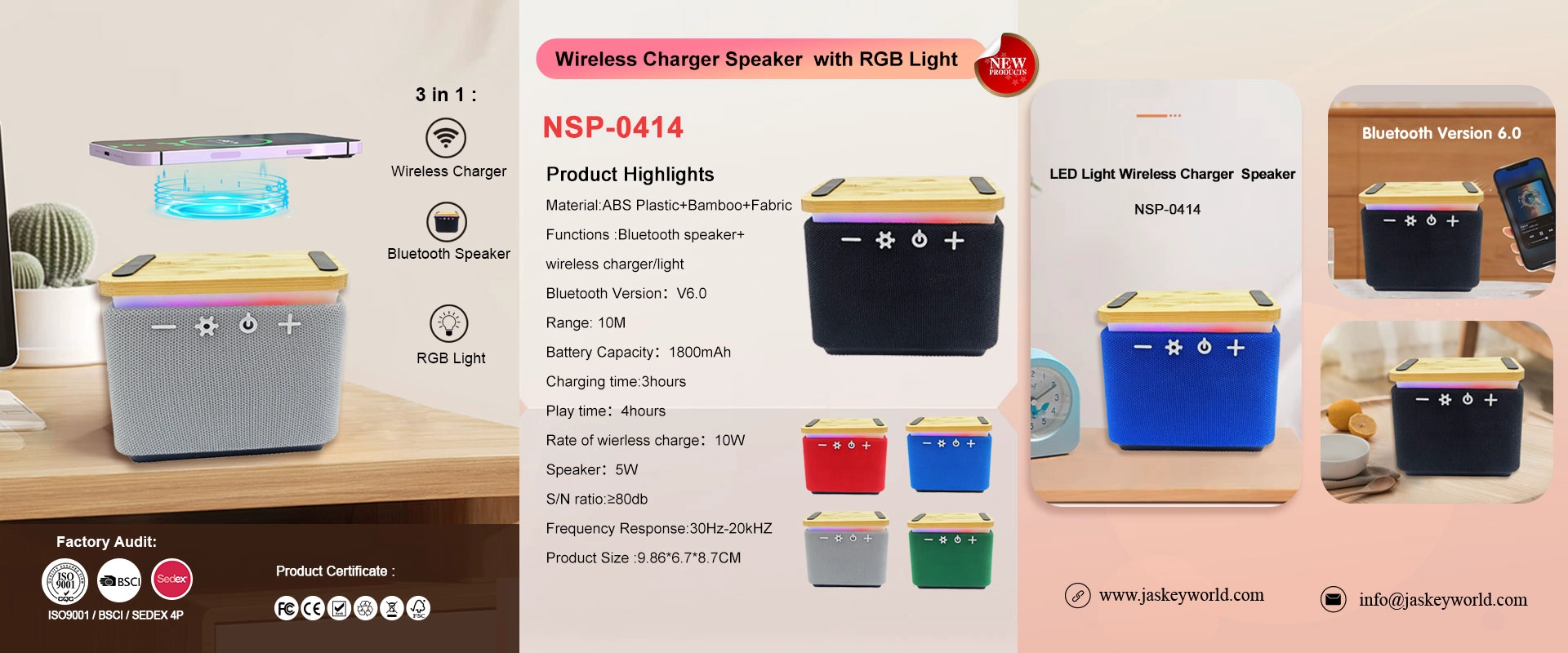
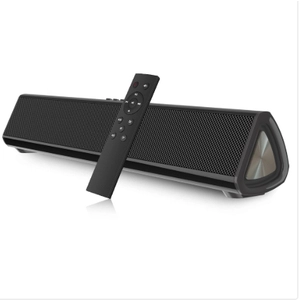
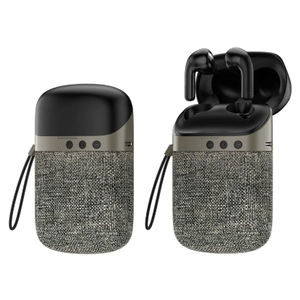
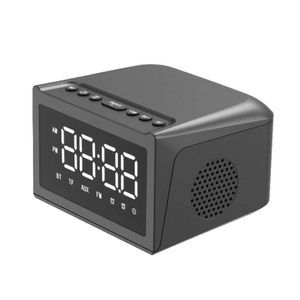
A compact soundbar with Bluetooth, AUX and USB connectivity, for example, can provide multiple connection options while remaining simple to operate. A configuration such as 10W × 2 output, 80Hz–16kHz frequency response, a 2200mAh battery, and approximately 4–6 hours of working time can provide a practical platform for different home and lifestyle audio applications.
The trend is therefore moving from specification-driven products toward experience-driven and lifestyle-driven audio.
Portable, Smart and Interactive Design
Portability and compact design are also influencing product development. Consumers increasingly want electronics that occupy less space and can adapt to different environments.
At the same time, smart and interactive features are creating new possibilities for audio products. Lighting, app functions, voice interaction, multi-device connectivity, and creative industrial design can help transform a conventional audio device into a more recognizable lifestyle product.
Social Media Is Changing Product Discovery
TikTok, Instagram Reels, YouTube Shorts, and other short-video channels have changed how consumers discover consumer electronics.
Products with distinctive shapes, interactive functions, lighting effects, or clear use scenarios can be easier to demonstrate through short-form video. This makes visual product differentiation increasingly relevant for brands selling through social commerce and online marketplaces.
Global Markets Have Different Requirements
International buyers also need to consider regional preferences and compliance requirements. European markets may place strong emphasis on product safety, environmental requirements, and design. Japan and Korea often value compact form factors, reliability, and usability, while Australia offers opportunities for flexible home and lifestyle electronics.
For manufacturers, global market adaptability is therefore becoming an important part of product development.
2. Market Pain Points: Differentiation Is the Key Challenge
The soundbar speaker category is competitive, and several challenges affect brands and distributors.
Product homogenization is one of the most obvious issues. Many products share similar Bluetooth functions, connection interfaces, materials, and basic power configurations. When products look and perform similarly, it becomes difficult for a brand to establish a clear market position.
Price competition is another challenge. Amazon and other e-commerce marketplaces make product comparison extremely easy. Competing primarily through lower prices can create margin pressure and make long-term brand building more difficult.
There is also a growing need for faster product development. Consumer electronics have relatively short product cycles, and brands need to identify trends, develop new products, test demand, and scale successful models efficiently.
Another pain point is limited user experience. A technically capable product may still struggle if its design, controls, connectivity, packaging, or everyday usability do not meet consumer expectations.
For this reason, differentiation increasingly depends on a combination of industrial design, product functionality, user experience, and development speed.
3. Market Opportunities: New Applications Beyond Traditional Soundbars
The evolution of soundbar speakers creates opportunities across several market segments.
Creative and Lifestyle Audio
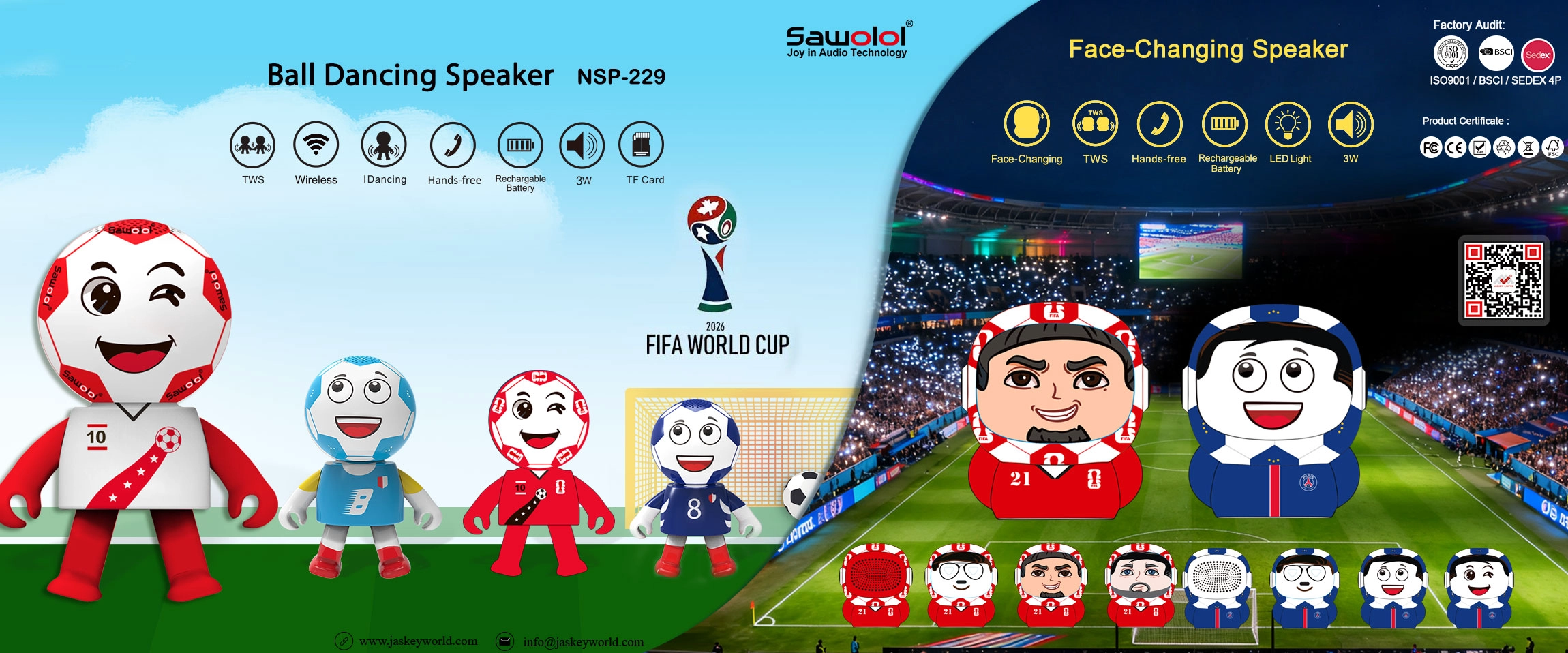
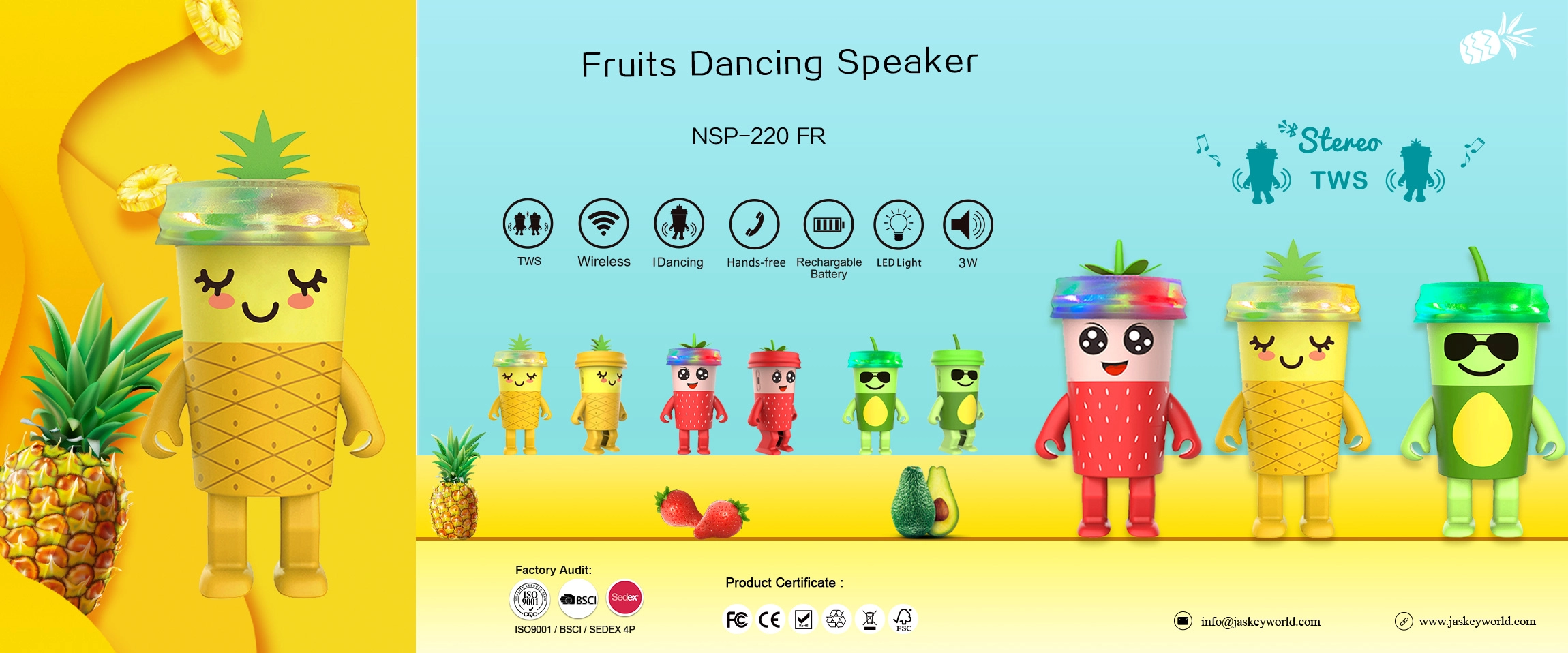
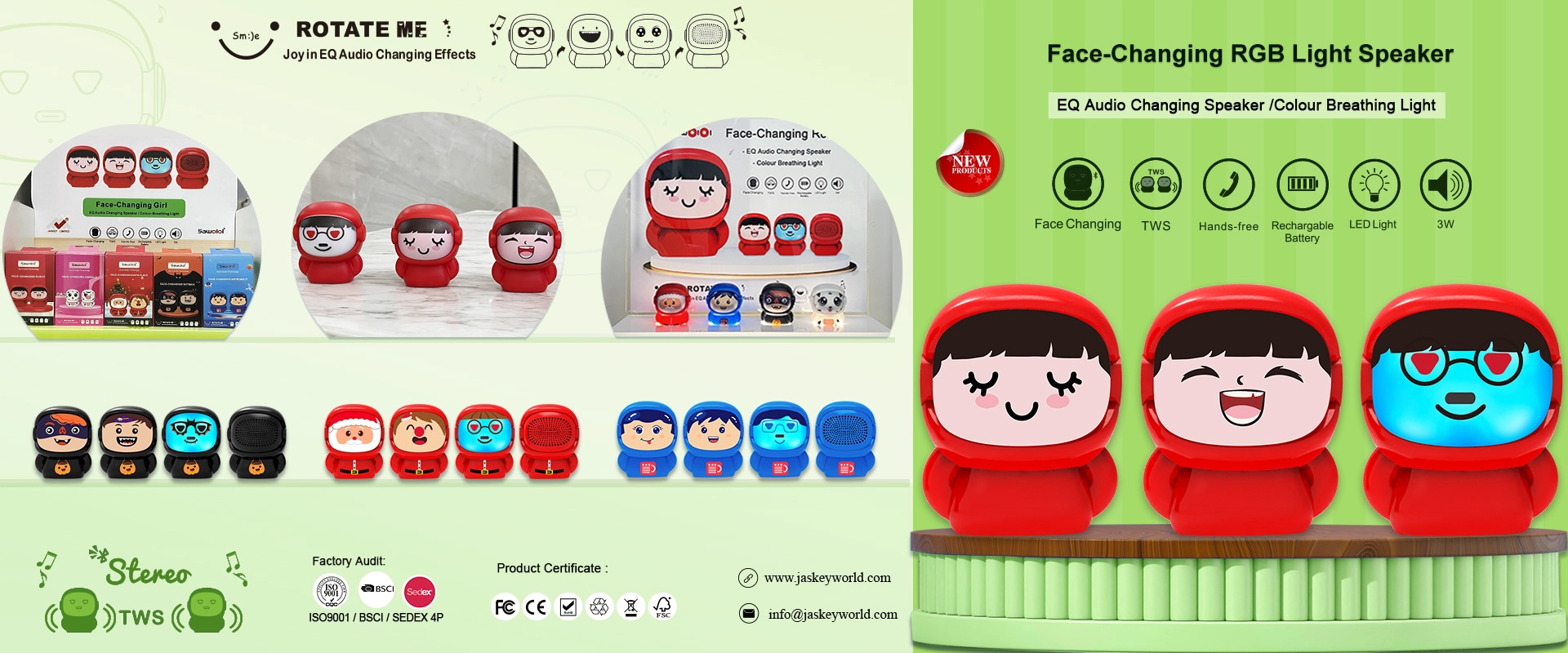
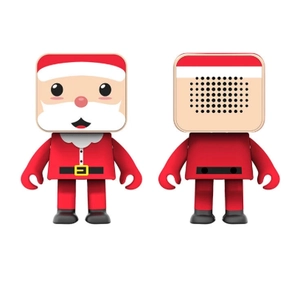
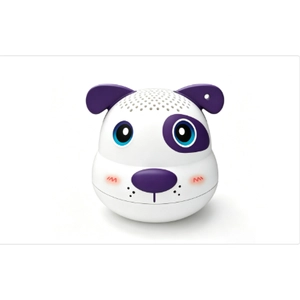
Creative audio products can give brands additional ways to differentiate. Compact soundbars, dancing speakers, character speakers, and other lifestyle audio products can combine entertainment with visual design.
This approach can be particularly useful for younger consumers who discover products through social media rather than traditional electronics channels.
Amazon, TikTok and Shopify Opportunities
E-commerce platforms such as Amazon, TikTok Shop, and Shopify allow brands to test new product concepts with relatively focused market positioning.
Short-video content can generate initial product awareness, while online stores provide direct channels for evaluating customer response. Products with strong visual identity and clear use cases can potentially stand out more effectively than generic audio products.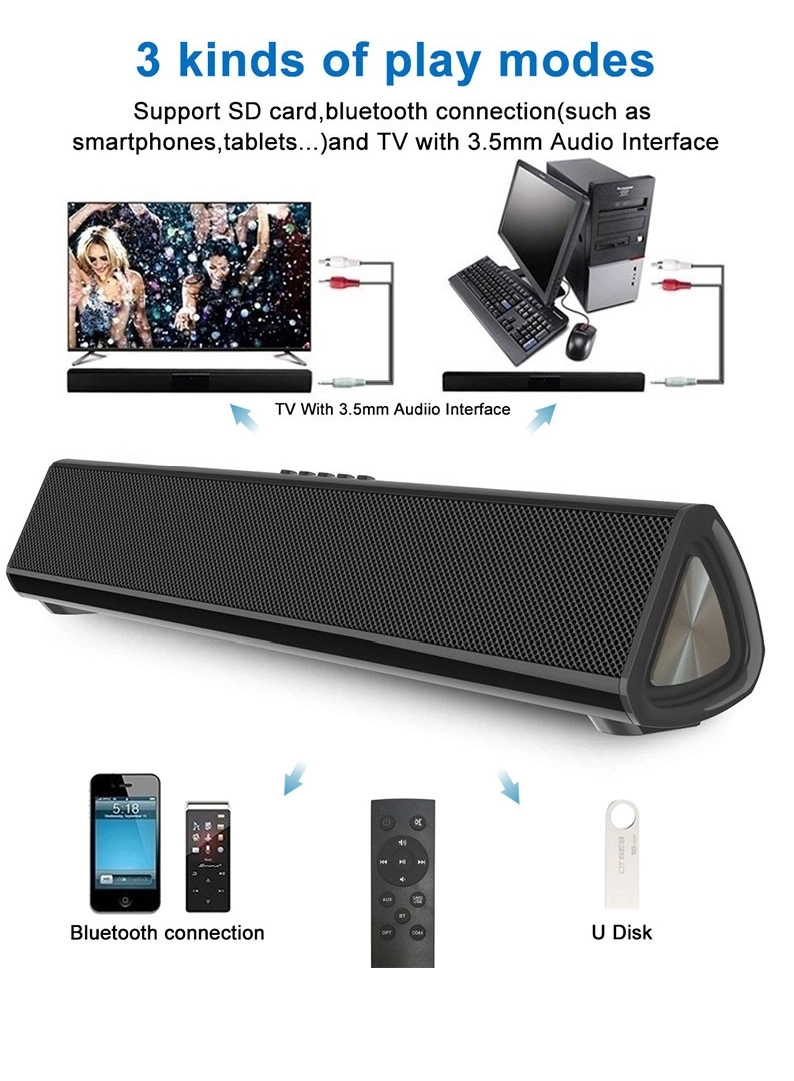
Gift and Seasonal Markets
Soundbar and wireless audio products can also serve the gifting and seasonal market. Consumer electronics are commonly purchased for Christmas, birthdays, housewarming, gaming, and other occasions.
Customized colors, packaging, accessories, and product designs can help brands develop products for specific retail campaigns or seasonal collections.
Private Label and OEM/ODM Development
For brands and e-commerce sellers, private-label soundbar speakers and OEM/ODM development provide a way to create differentiated products without building an entire manufacturing infrastructure internally.
This can be particularly valuable when businesses need customized appearance, packaging, specifications, functions, or branding for specific markets.
4. Manufacturer Value: Why OEM/ODM Capabilities Matter
The role of a China soundbar speaker manufacturer is increasingly moving beyond basic production.
Product development requires coordinated capabilities in R&D, engineering, industrial design, manufacturing, quality management, and supply-chain management.
Rapid development capability allows manufacturers to respond to changing consumer preferences and shorten the path from concept to finished product. Industrial design can help transform standard audio technology into products with stronger visual identity and market positioning.
OEM, ODM, and private-label capabilities also allow different customers to select appropriate levels of customization, including product appearance, materials, functions, packaging, branding, and technical configuration.
Stable supply-chain management is equally important. Effective sourcing and production planning can support cost control, consistent quality, and scalable manufacturing as demand increases.
For international customers, manufacturers also need to understand different market requirements. Experience serving Europe, Japan, Korea, and Australia can support product adaptation in areas such as connectivity, packaging, documentation, and relevant compliance requirements including CE, FCC, and RoHS.
5. Conclusion: The Future of Soundbar Speaker Development
The soundbar speaker market is moving from traditional TV-focused audio toward wireless, compact, lifestyle-oriented, and experience-driven products. Bluetooth connectivity is expanding applications, while industrial design and social commerce are creating new opportunities for product differentiation.
For brands, distributors, retailers, and e-commerce sellers, the competitive advantage of the next generation of soundbar products may come from combining practical audio performance with distinctive design, flexible connectivity, and faster product development.
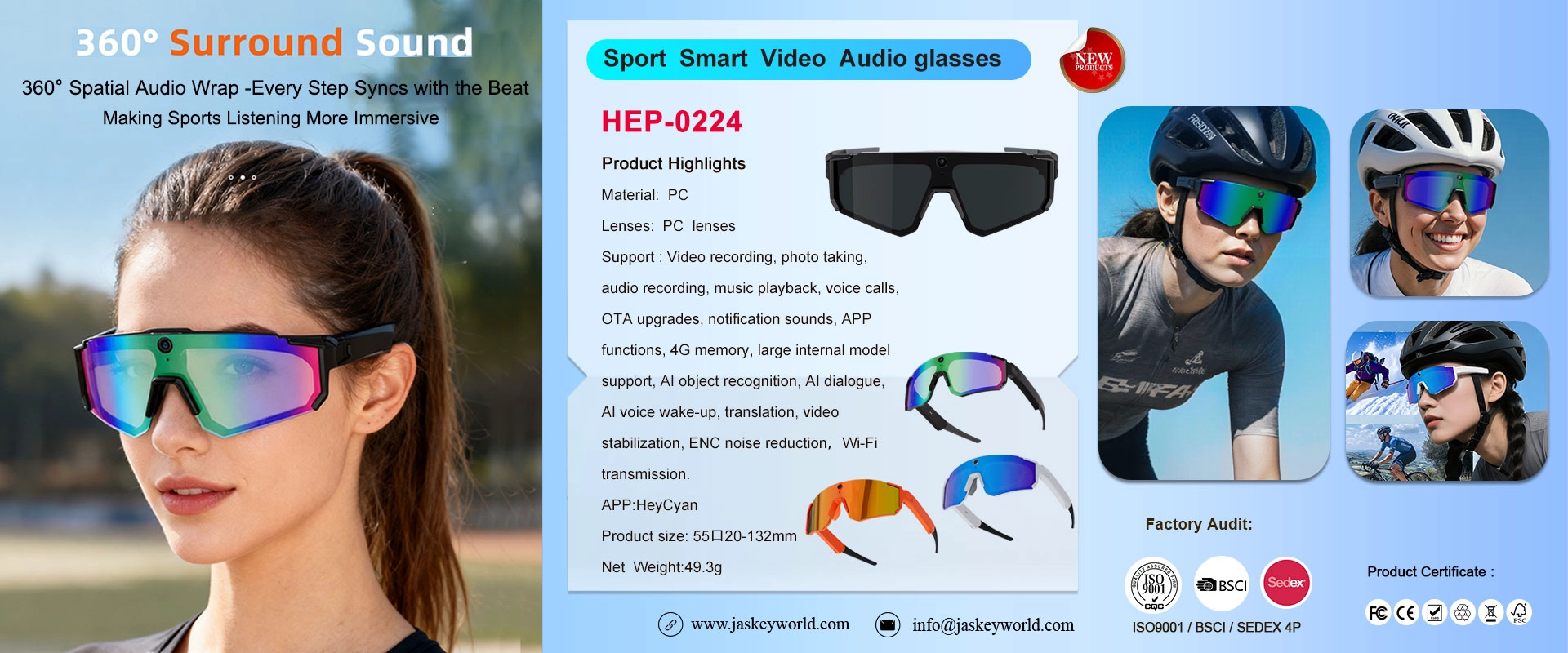
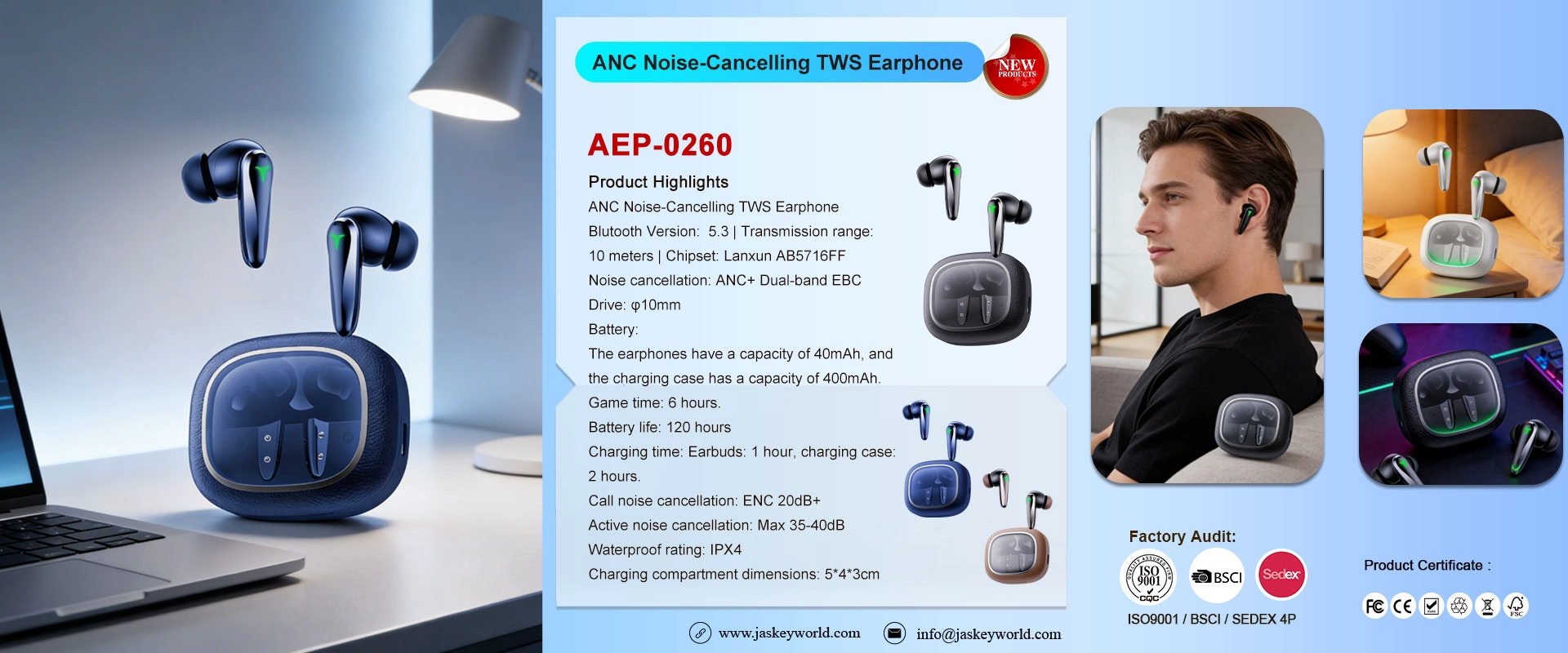
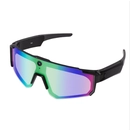
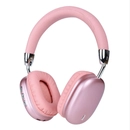
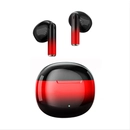
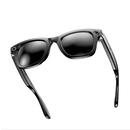
Since 2008, Jaskey Limited has focused on consumer audio products and provides integrated capabilities covering product R&D, industrial design, manufacturing, and supply-chain management. Its product experience includes Bluetooth speakers, headphones, audio glasses, and smart audio products for international markets.
For businesses exploring new soundbar concepts, OEM/ODM development, private-label customization, brand cooperation, and distribution partnerships can provide practical ways to develop differentiated audio products for evolving global markets.