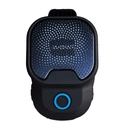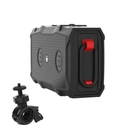












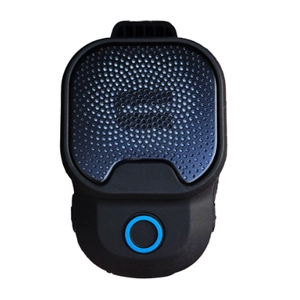
Discover the latest wearable Bluetooth speaker designed for portable, hands-free listening. Featuring Bluetooth 5.4, a 4W speaker driver, clip-on design, TWS interconnection, hands-free calling, and USB-C charging, it offers a practical audio solution for outdoor activities, cycling, travel, and everyday use. With OEM/ODM and private label customization options, it is suitable for brands, distributors, retailers, and e-commerce sellers looking to expand their portable audio product ranges.
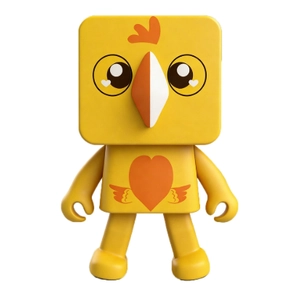
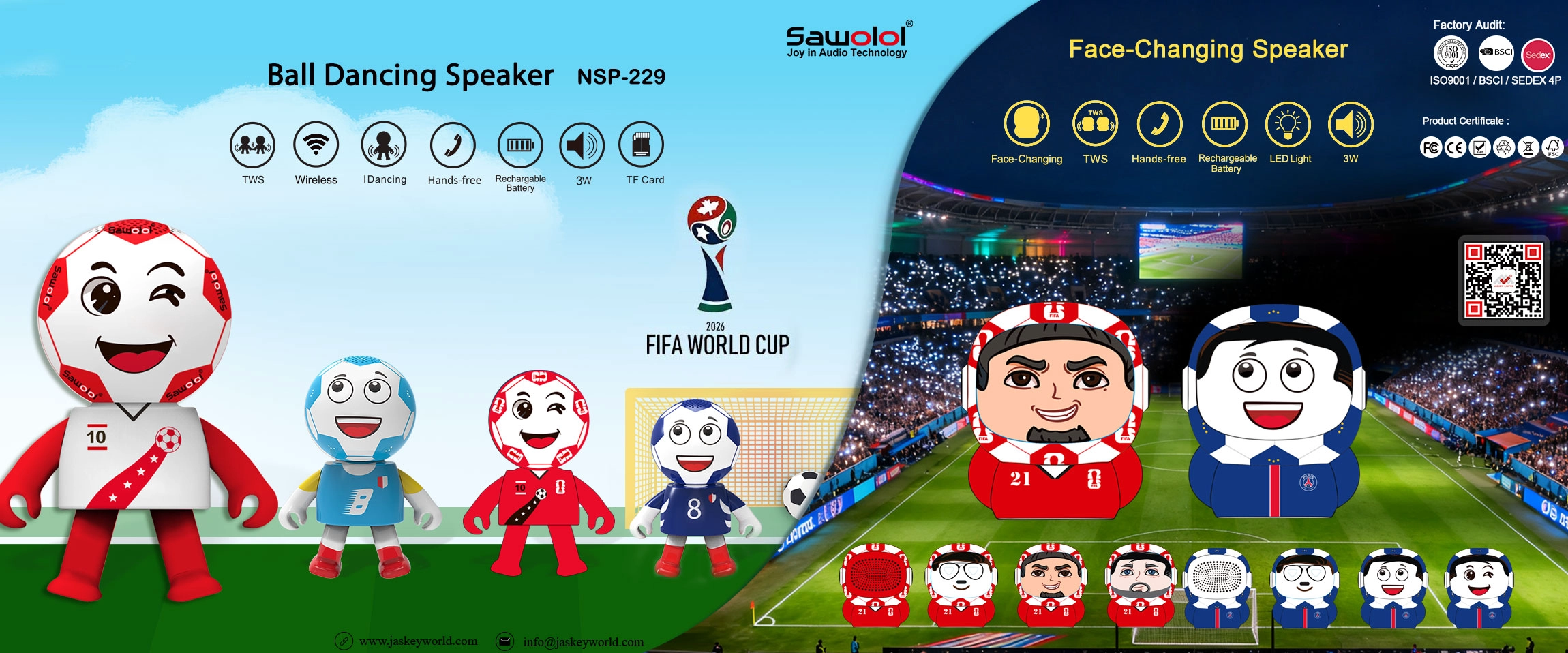
The Cube Bird Dancing Speaker is a creative Bluetooth speaker that combines a playful bird-inspired design with practical audio features. Equipped with Bluetooth 5.4, hands-free calling, TWS wireless connectivity and a 3W speaker, it delivers convenient wireless entertainment in a compact design. With up to 4 hours of working time, it is suitable for home, desktop use, parties and gift collections. Ideal for retailers, wholesalers and consumer electronics brands, this novelty speaker offers opportunities for product differentiation, seasonal promotions and OEM/ODM customization.
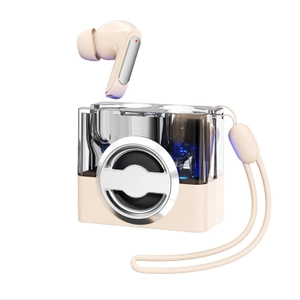
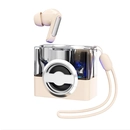
The 2-in-1 Bluetooth Speaker with TWS Earphones combines a portable wireless speaker and true wireless earbuds in one convenient design. Featuring Bluetooth 5.3, a 5W speaker, F13 copper ring earbud drivers, and a 10–15m transmission range, it offers flexible listening for home, office, travel, and everyday entertainment. The earbuds provide approximately 4–5 hours of playback, while the speaker delivers 2–3 hours of music. Made from ABS plastic and silicone, this versatile audio product is ideal for consumer electronics brands, retailers, and gift markets seeking innovative wireless audio solutions.
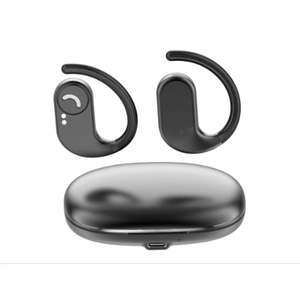
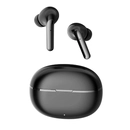
The Sport TWS Earphone features Bluetooth 5.4 connectivity, a compact charging case, and a lightweight ABS plastic design for convenient everyday wireless listening. With a transmission range of up to 10 meters, 2.5–4 hours of playback time, and a 200mAh charging case, it is suitable for commuting, leisure, and daily use. Jaskey Limited offers OEM/ODM cooperation opportunities for brands, wholesalers, importers, and retailers seeking reliable wireless audio products from an experienced China consumer electronics manufacturer.
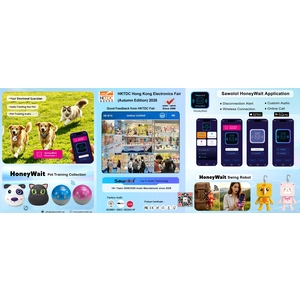
Thanks for visiting our booth in Hong Kong Electronic 2026 Fair (Autumn Edition)
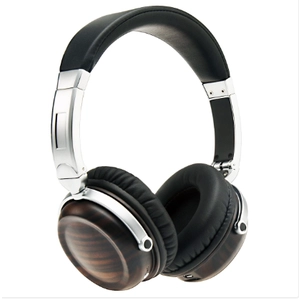
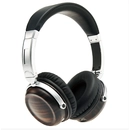
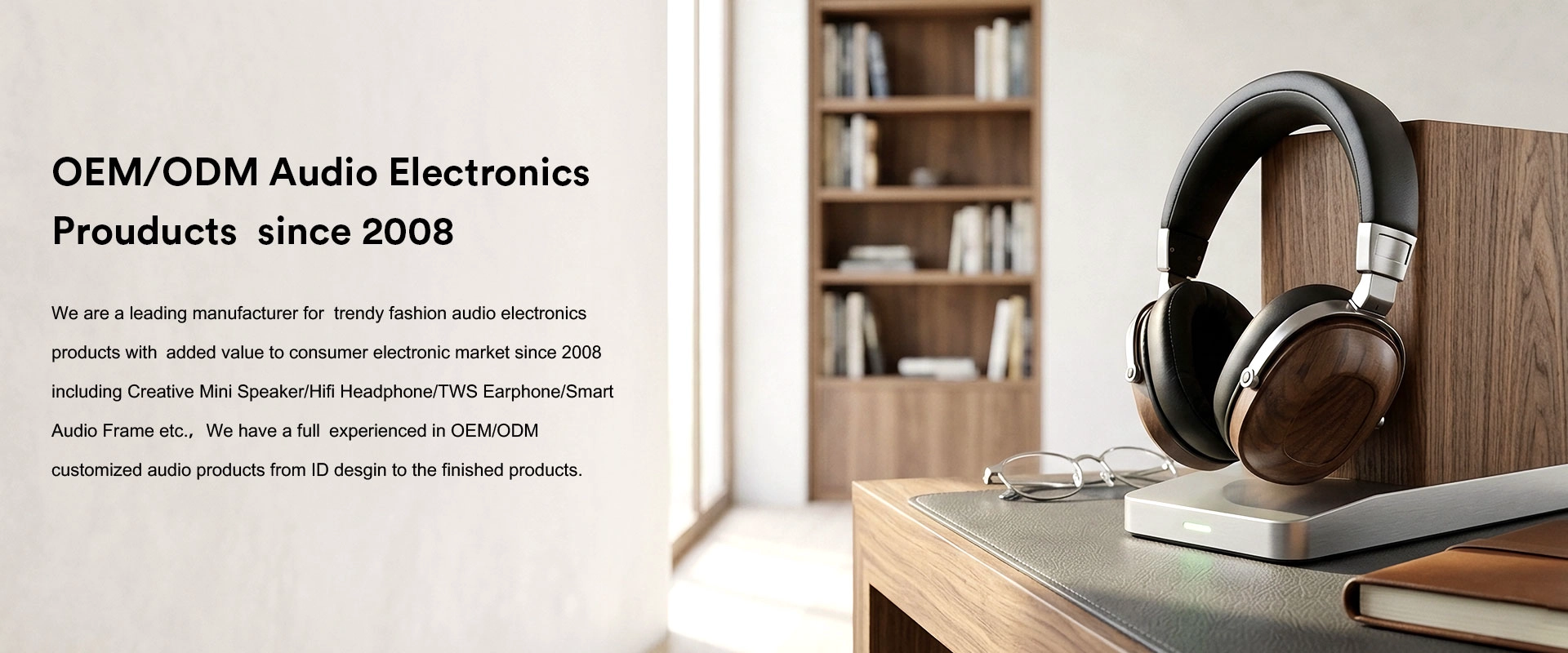
Bluetooth wood headphones, wooden Bluetooth headphones, wood and metal headphones, Bluetooth on-ear headphones, China headphone manufacturer, OEM Bluetooth headphones, ODM headphone manufacturer, private label headphones, Qualcomm aptX headphones, 40mm dynamic driver headphones, custom wireless headphones, headphone product development, China audio manufacturer
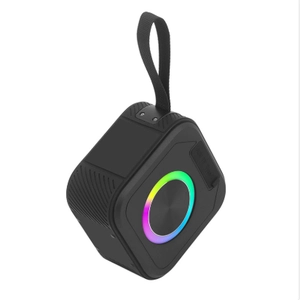
The China Waterproof Portable Bluetooth Speaker combines durable design with versatile audio performance for outdoor and everyday use. Featuring Bluetooth 5.3, hands-free calling, TWS connectivity, TF card and AUX support, it offers flexible listening options in a compact ABS and silicone design. With a 1800mAh battery and water-resistant construction, it is suitable for travel, camping, beach outings, and daily entertainment. Jaskey Limited provides OEM/ODM customization services for brands, distributors, and importers seeking reliable portable Bluetooth speaker solutions.
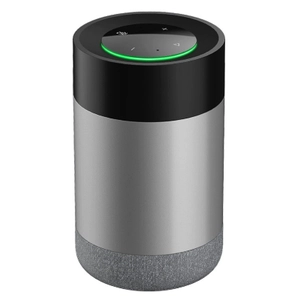
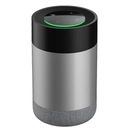
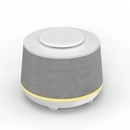
The WiFi Alexa Smart Speaker combines voice control, wireless audio, and smart home connectivity for convenient everyday living. Featuring support for Alexa skills, compatible Tuya smart home devices, multilingual interaction, and app-based control, it offers a practical solution for modern connected homes. With a compact design, 5W speaker output, and 2.4GHz WiFi connectivity, it is suitable for bedrooms, living rooms, and home office environments.
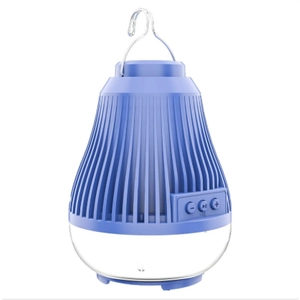
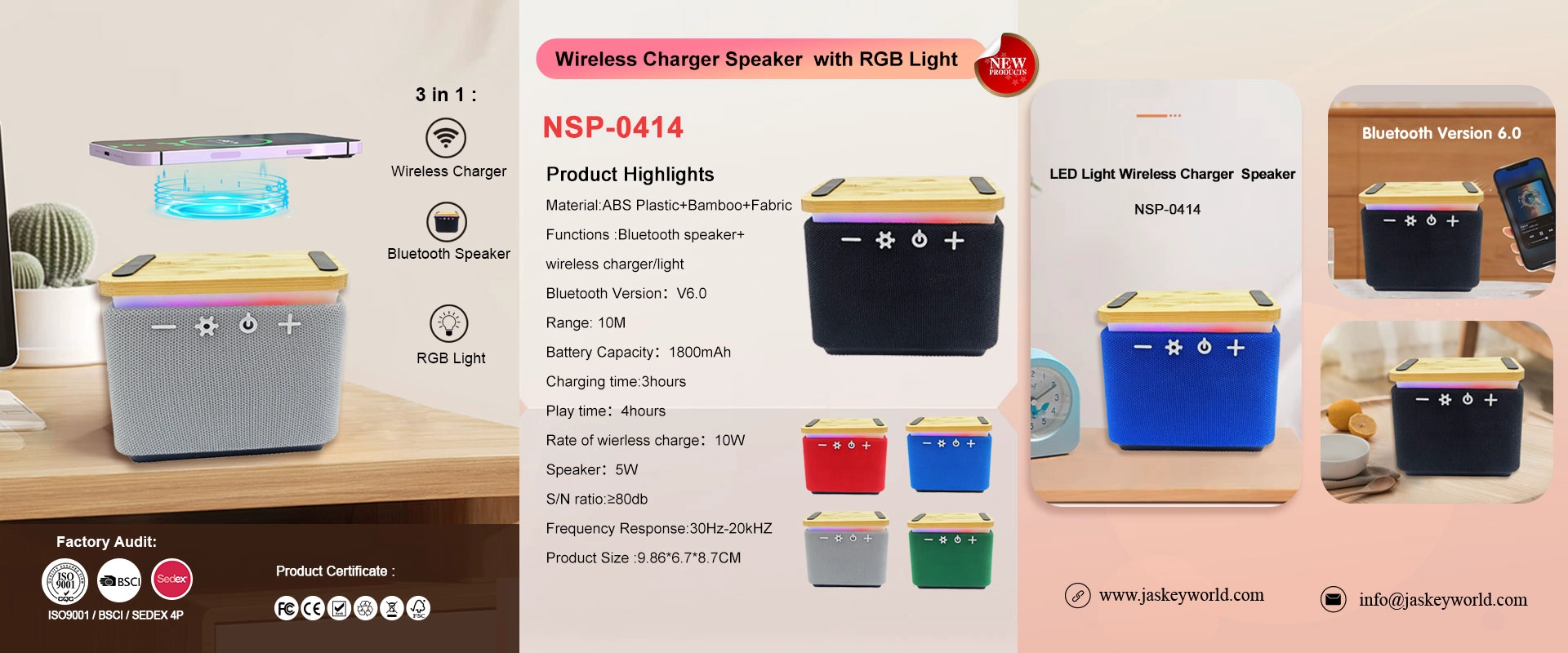
The Outdoor Speaker with Light combines portable audio and ambient lighting in a compact ABS plastic design. Featuring Bluetooth 5.0, USB and TF card playback, a 5W speaker, and a 1200mAh rechargeable battery, it offers versatile entertainment for outdoor activities, home gatherings, camping and travel. With 4–5 hours of working time and multiple playback options, this portable Bluetooth speaker is ideal for retailers, distributors and brands seeking differentiated audio products. OEM/ODM customization and private-label opportunities are available for global markets.
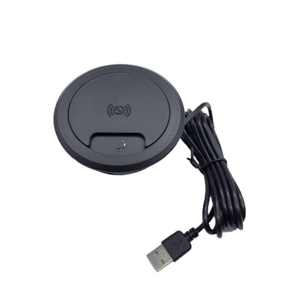
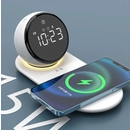
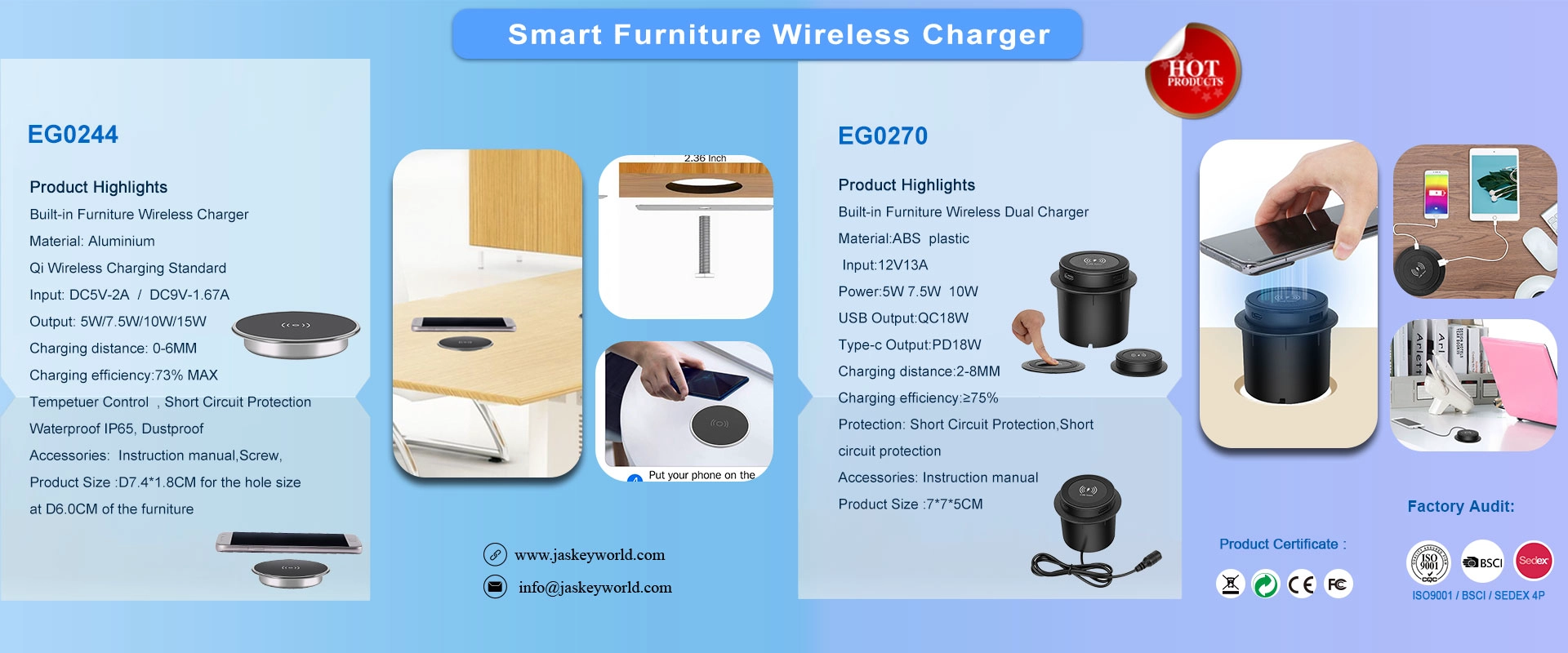
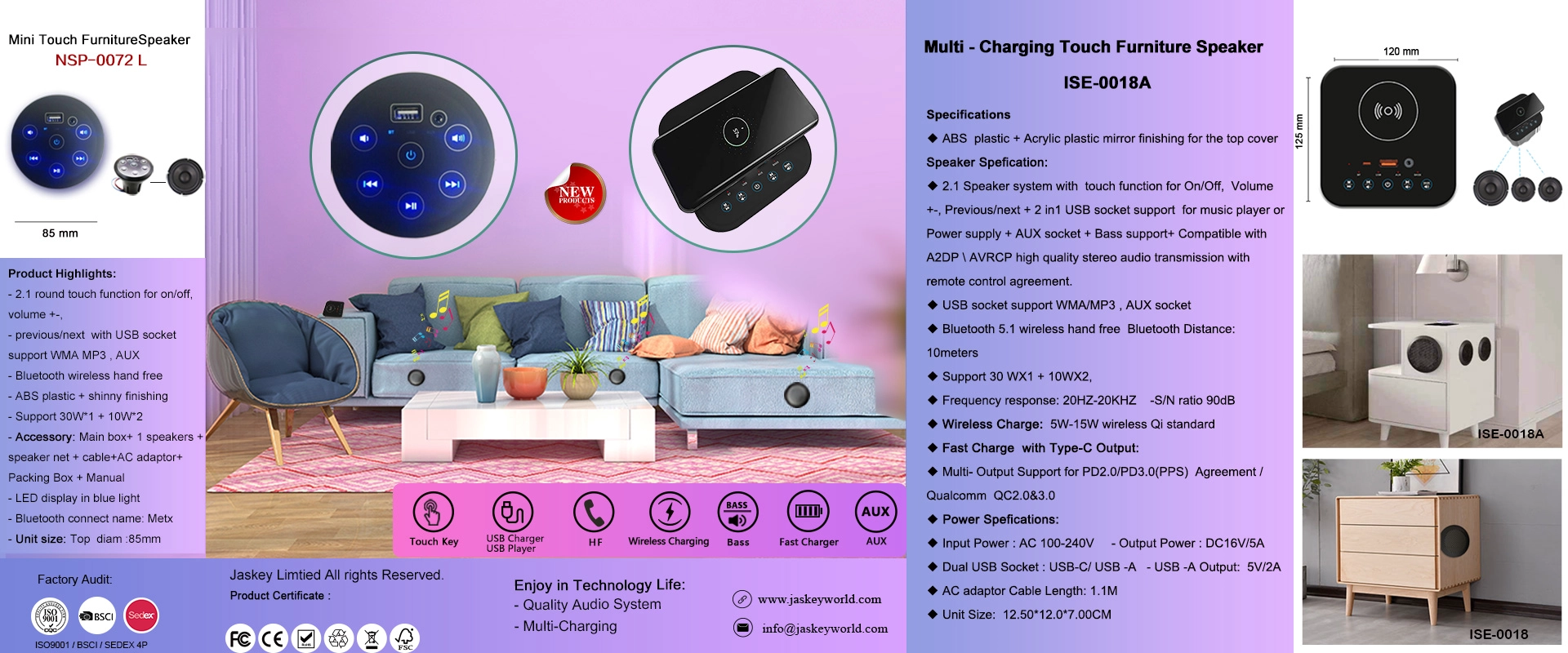
Jaskey Limited is a China-based consumer electronics OEM/ODM manufacturer specializing in built-in furniture wireless chargers and innovative audio products. Our compact wireless charging solutions feature 5W wireless charging, USB and Type-C outputs, and space-saving designs, making them suitable for desks, bedside tables, and modern furniture applications. Since 2008, we have focused on product innovation, quality management, and customized solutions for global markets.
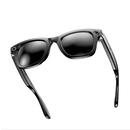
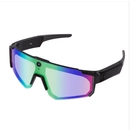
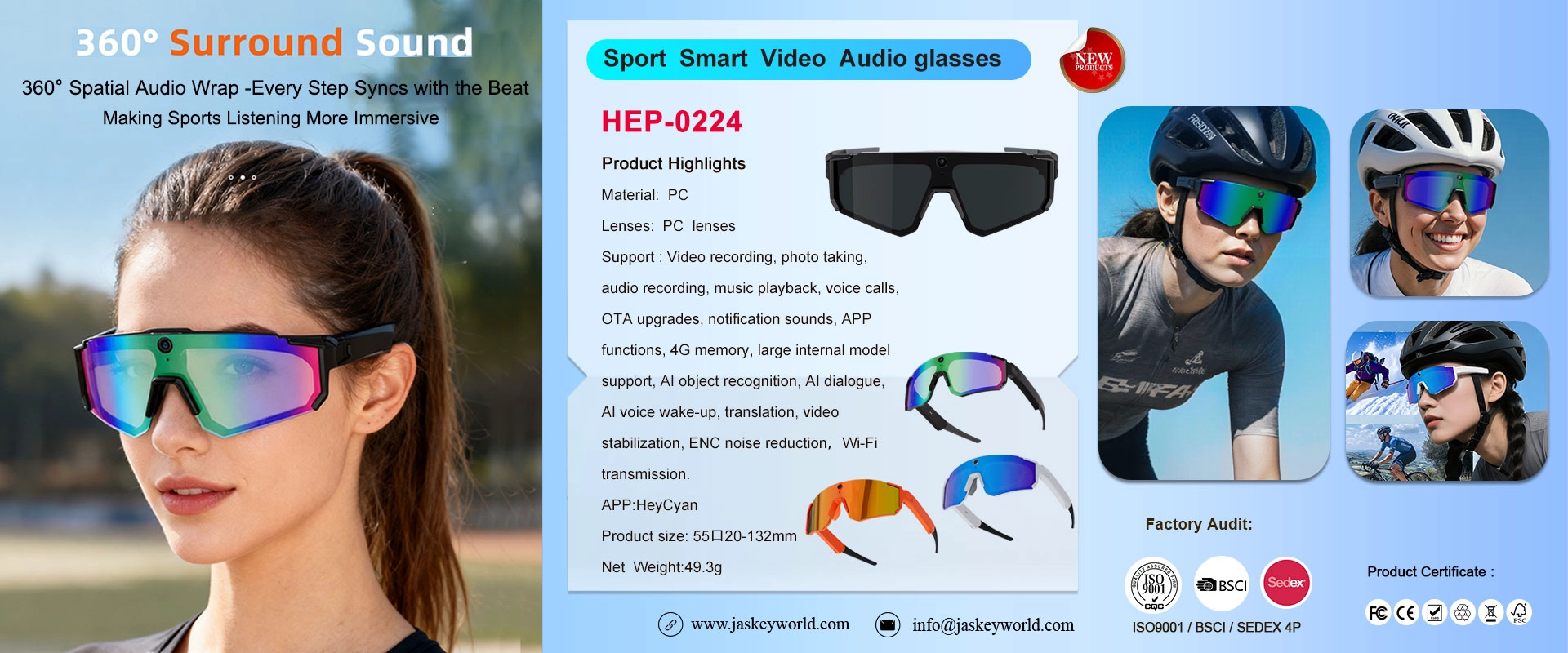
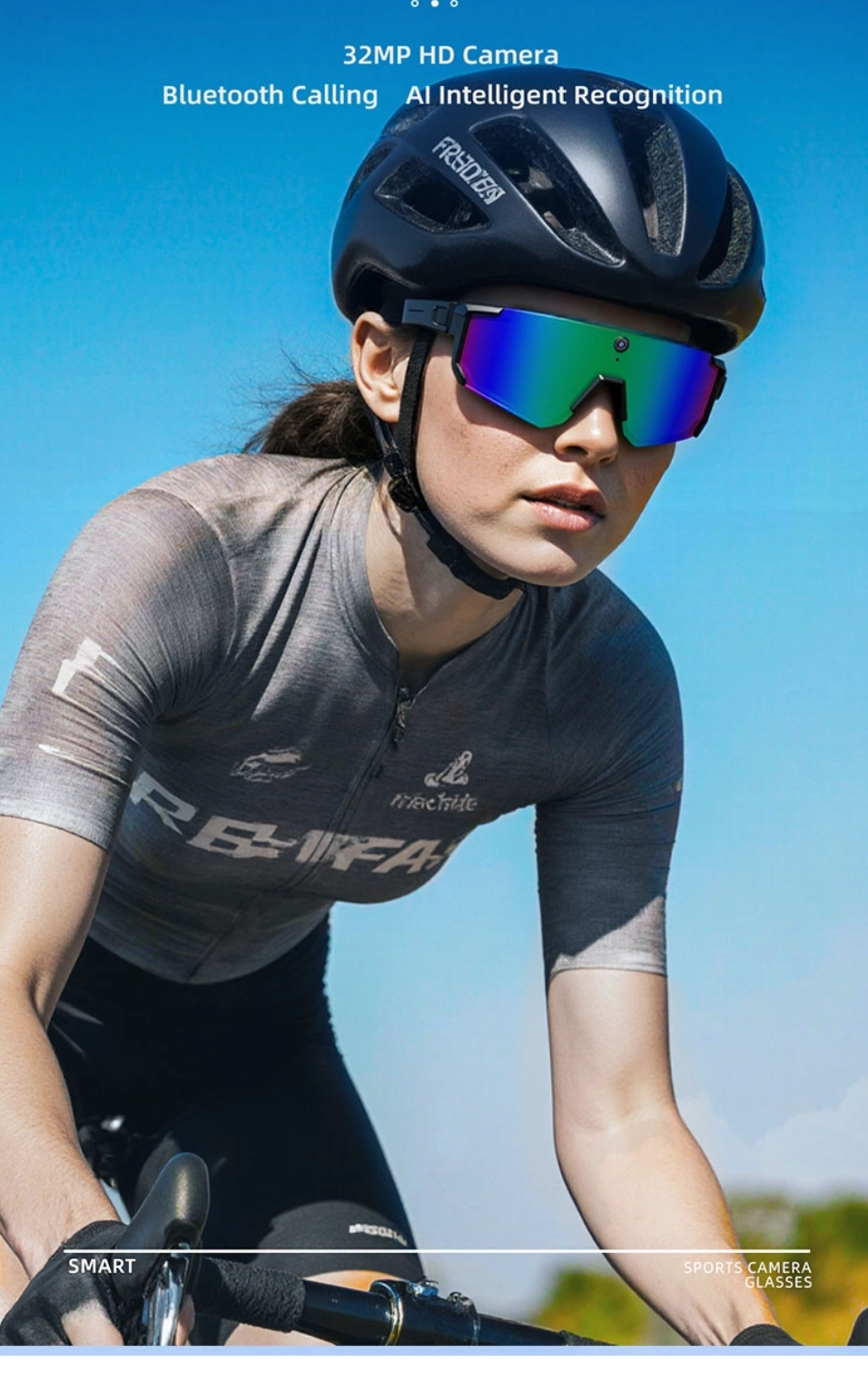
The wearable electronics market is moving from single-function devices toward products that combine audio, video, connectivity, and intelligent interaction. Sport Smart Video Audio Glasses are part of this transition, bringing hands-free communication, content creation, AI functions, and everyday audio into one wearable format.
For consumer electronics brands, distributors, retailers, and e-commerce sellers, this product category represents more than another Bluetooth device. It reflects a broader shift toward experience-driven, lifestyle-oriented, and AI-enabled consumer technology.
Traditional Bluetooth headphones and speakers remain important, but product differentiation is becoming increasingly difficult. As consumers become more familiar with wireless audio, expectations are moving beyond sound playback toward more connected experiences.
This is creating demand for portable, smart, and interactive wearables.
Smart video audio glasses combine several functions that were previously handled by separate devices. Depending on the product configuration, users can listen to music, make voice calls, record audio, capture photos and videos, and interact with AI services while keeping their hands free.
The integration of AI object recognition, AI dialogue, AI voice wake-up, translation, and large-model-based intelligent functions further expands the role of smart glasses. Instead of functioning only as wearable speakers, these products can become interfaces between users and digital services.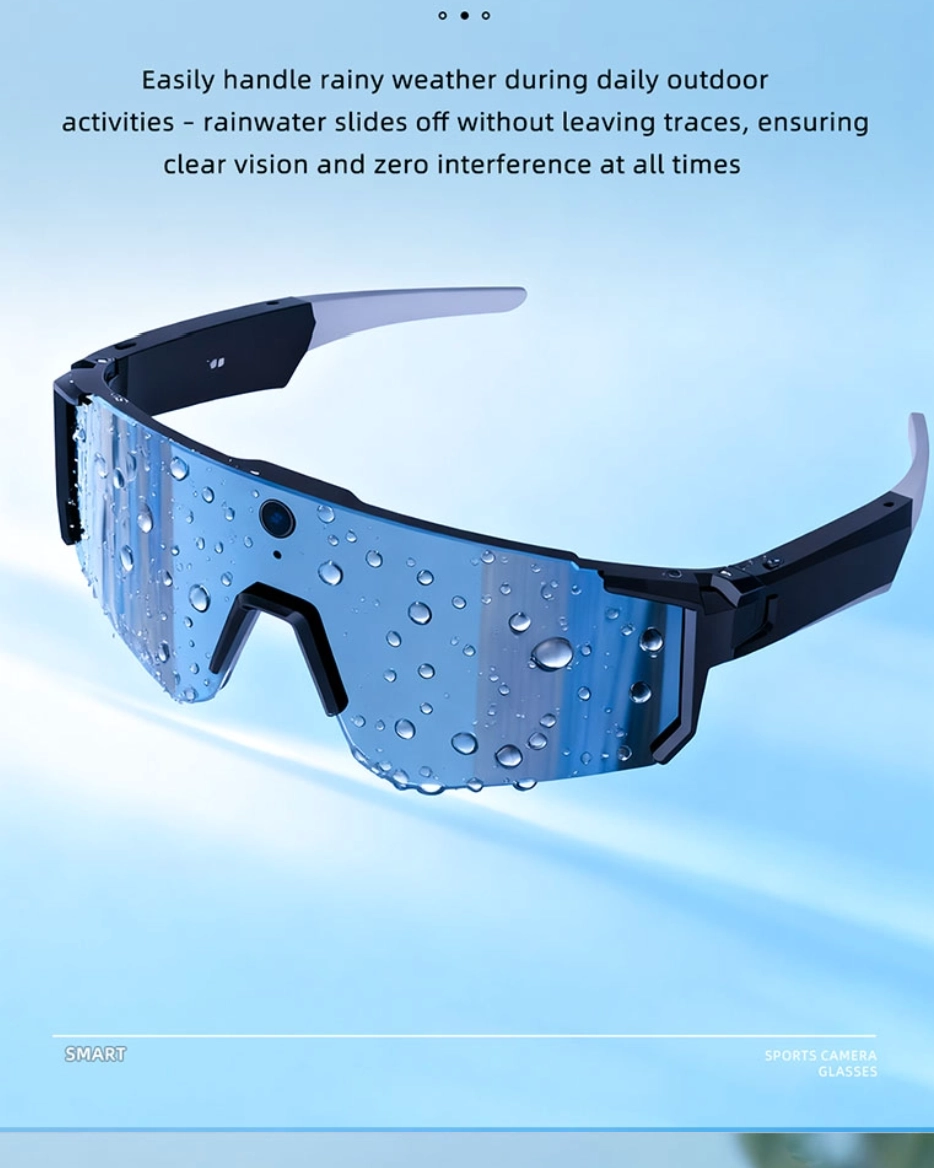
Sport and outdoor applications are particularly relevant. Hands-free video recording and audio communication can support activities such as cycling, travel, walking, outdoor exploration, and casual content creation. Video stabilization, ENC noise reduction, Bluetooth connectivity, and Wi-Fi transmission can further improve the overall experience.
Social media is another important market driver. TikTok, Instagram Reels, YouTube Shorts, and other short-video platforms have increased consumer interest in convenient first-person content creation. A wearable device that combines camera, audio, and AI capabilities can therefore be positioned around content creation as well as entertainment.
The rapid growth of consumer electronics has also created significant challenges for brands.
The first is product homogeneity. Many wireless audio products now share similar Bluetooth functions, battery configurations, and basic industrial designs. Competing only on specifications or price can make it difficult for brands to build long-term differentiation.
The second challenge is margin pressure. Amazon, TikTok Shop, Shopify, and other e-commerce channels have made product comparison easier, increasing price transparency and competition.
Another problem is the gap between technical functions and real user value. Adding more features does not automatically create a better product. Consumers need intuitive interaction, comfortable wearing experiences, reliable connectivity, and practical functions that fit naturally into everyday activities.
For brands, the opportunity lies in developing products around specific use cases and lifestyles, rather than simply adding another variation of an existing Bluetooth device.
Smart video audio glasses combine several fast-developing consumer trends: wearable technology, AI interaction, wireless audio, video creation, and social commerce.
This creates opportunities for brands to develop differentiated product positioning around sports, travel, outdoor activities, communication, entertainment, and content creation.
The social-commerce environment is particularly important. Demonstrating video recording, AI recognition, translation, voice interaction, and hands-free communication through short-form content can make advanced technology easier for consumers to understand.
For Amazon and Shopify sellers, smart glasses can provide opportunities to build differentiated product pages and niche product positioning. For TikTok sellers and social-commerce brands, the visual nature of the product also provides strong potential for demonstration-based marketing.
The category can also support private-label and OEM/ODM strategies. Brands can develop different configurations, designs, packaging, and software experiences according to their target markets rather than competing with completely standardized products.
 4. Manufacturer Value: Building Market-Ready Smart Wearables
As smart glasses become more sophisticated, manufacturing capability increasingly involves more than assembly.
An experienced smart glasses manufacturer needs product development capabilities that connect hardware, software, industrial design, wireless communication, and intelligent functions. Rapid prototyping and product development can help brands evaluate new concepts and respond faster to changing consumer demand.
Industrial design is equally important. Smart glasses need to balance appearance, frame structure, material selection, wearing comfort, component integration, and everyday usability.
OEM/ODM and private-label development can also allow brands to customize product configurations, exterior design, packaging, functions, and market positioning.
Supply-chain stability remains another important factor. Effective component sourcing, production management, quality control, and cost optimization can help brands develop products that are commercially viable at different market levels.
For international markets, product development must also consider regional requirements and consumer preferences. Europe, Japan, South Korea, and Australia each have different market characteristics, making global market adaptation an important part of consumer electronics development.
Since 2008, Jaskey Limited has focused on consumer electronics R&D, industrial design, and manufacturing, covering Bluetooth speakers, headphones, audio glasses, and smart audio products. Its OEM/ODM capabilities support brands, distributors, retailers, and e-commerce businesses developing differentiated consumer electronics products for international markets.
Sport Smart Video Audio Glasses reflect a larger transformation in consumer electronics: the move from individual hardware functions toward integrated, intelligent, and experience-driven products.
The combination of AI, video, audio, wireless connectivity, and hands-free interaction gives smart glasses potential across sports, travel, communication, entertainment, and content creation.
For consumer electronics brands, the opportunity is not simply to introduce another wearable device, but to develop a product with a clear lifestyle application and differentiated user experience.
As the category continues to evolve, brand cooperation, OEM/ODM development, private-label projects, and distribution partnerships can provide practical routes for businesses seeking new opportunities in the global smart wearable market.