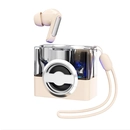












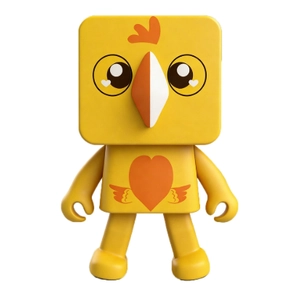
The Cube Bird Dancing Speaker is a creative Bluetooth speaker that combines a playful bird-inspired design with practical audio features. Equipped with Bluetooth 5.4, hands-free calling, TWS wireless connectivity and a 3W speaker, it delivers convenient wireless entertainment in a compact design. With up to 4 hours of working time, it is suitable for home, desktop use, parties and gift collections. Ideal for retailers, wholesalers and consumer electronics brands, this novelty speaker offers opportunities for product differentiation, seasonal promotions and OEM/ODM customization.
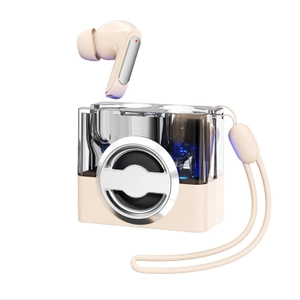
The 2-in-1 Bluetooth Speaker with TWS Earphones combines a portable wireless speaker and true wireless earbuds in one convenient design. Featuring Bluetooth 5.3, a 5W speaker, F13 copper ring earbud drivers, and a 10–15m transmission range, it offers flexible listening for home, office, travel, and everyday entertainment. The earbuds provide approximately 4–5 hours of playback, while the speaker delivers 2–3 hours of music. Made from ABS plastic and silicone, this versatile audio product is ideal for consumer electronics brands, retailers, and gift markets seeking innovative wireless audio solutions.
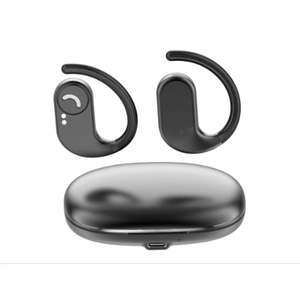
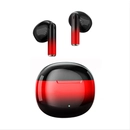
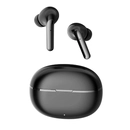
The Sport TWS Earphone features Bluetooth 5.4 connectivity, a compact charging case, and a lightweight ABS plastic design for convenient everyday wireless listening. With a transmission range of up to 10 meters, 2.5–4 hours of playback time, and a 200mAh charging case, it is suitable for commuting, leisure, and daily use. Jaskey Limited offers OEM/ODM cooperation opportunities for brands, wholesalers, importers, and retailers seeking reliable wireless audio products from an experienced China consumer electronics manufacturer.
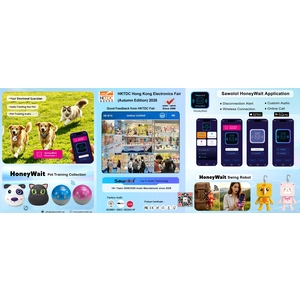
Thanks for visiting our booth in Hong Kong Electronic 2026 Fair (Autumn Edition)
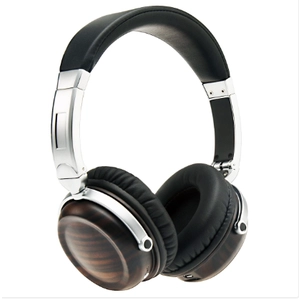
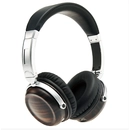
Bluetooth wood headphones, wooden Bluetooth headphones, wood and metal headphones, Bluetooth on-ear headphones, China headphone manufacturer, OEM Bluetooth headphones, ODM headphone manufacturer, private label headphones, Qualcomm aptX headphones, 40mm dynamic driver headphones, custom wireless headphones, headphone product development, China audio manufacturer
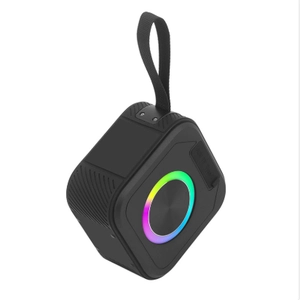
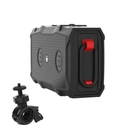
The China Waterproof Portable Bluetooth Speaker combines durable design with versatile audio performance for outdoor and everyday use. Featuring Bluetooth 5.3, hands-free calling, TWS connectivity, TF card and AUX support, it offers flexible listening options in a compact ABS and silicone design. With a 1800mAh battery and water-resistant construction, it is suitable for travel, camping, beach outings, and daily entertainment. Jaskey Limited provides OEM/ODM customization services for brands, distributors, and importers seeking reliable portable Bluetooth speaker solutions.
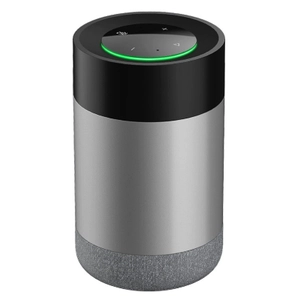
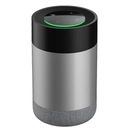
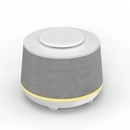
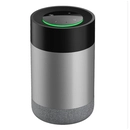
The WiFi Alexa Smart Speaker combines voice control, wireless audio, and smart home connectivity for convenient everyday living. Featuring support for Alexa skills, compatible Tuya smart home devices, multilingual interaction, and app-based control, it offers a practical solution for modern connected homes. With a compact design, 5W speaker output, and 2.4GHz WiFi connectivity, it is suitable for bedrooms, living rooms, and home office environments.
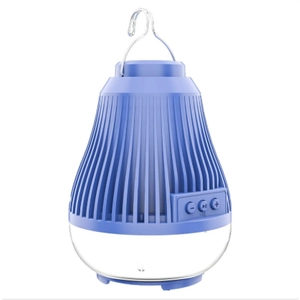
The Outdoor Speaker with Light combines portable audio and ambient lighting in a compact ABS plastic design. Featuring Bluetooth 5.0, USB and TF card playback, a 5W speaker, and a 1200mAh rechargeable battery, it offers versatile entertainment for outdoor activities, home gatherings, camping and travel. With 4–5 hours of working time and multiple playback options, this portable Bluetooth speaker is ideal for retailers, distributors and brands seeking differentiated audio products. OEM/ODM customization and private-label opportunities are available for global markets.
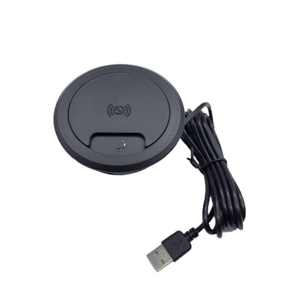
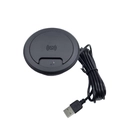
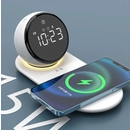
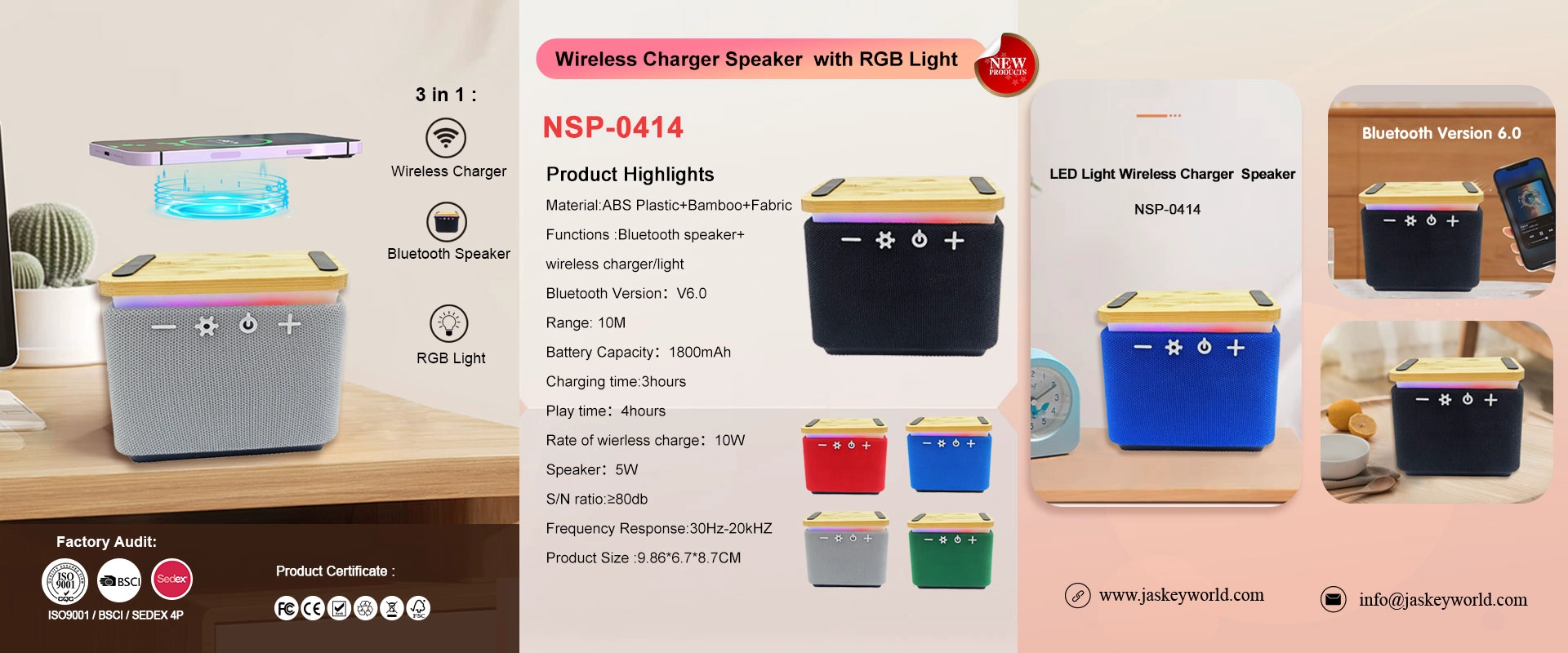
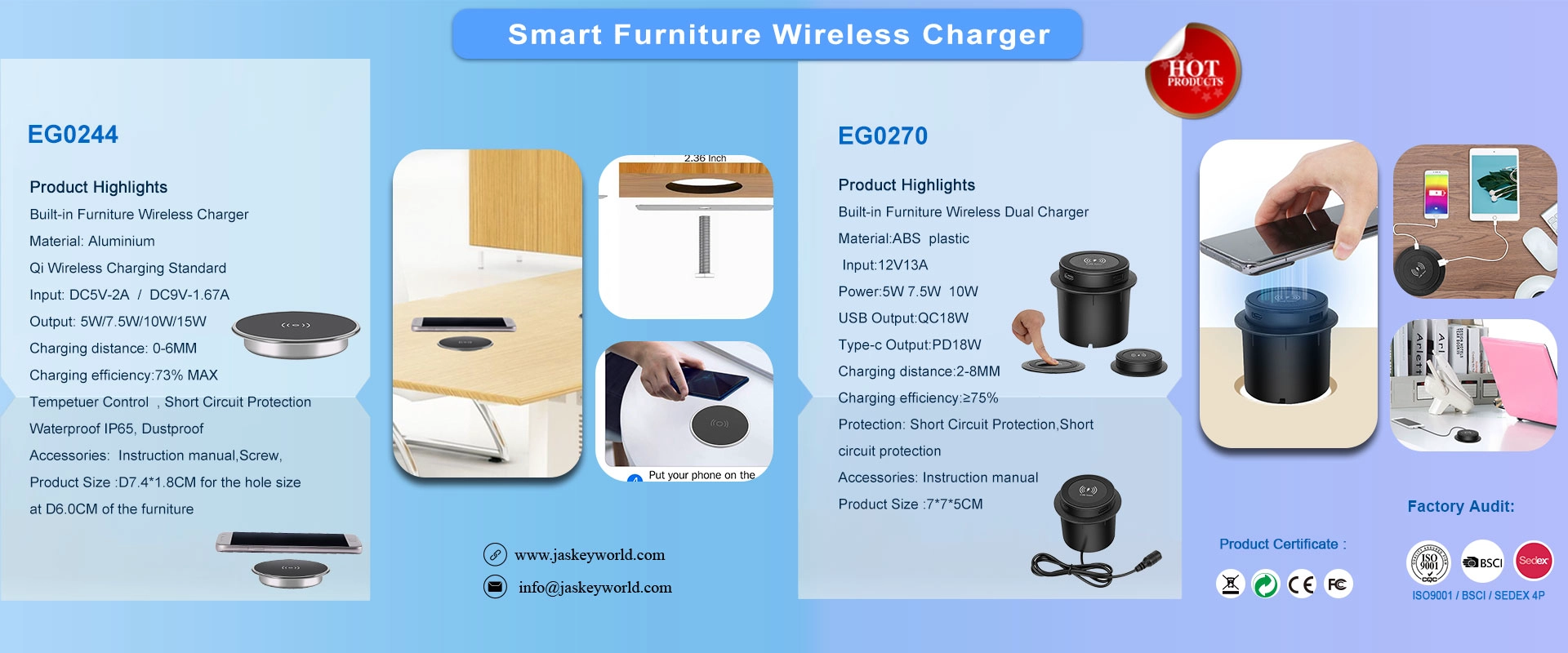
Jaskey Limited is a China-based consumer electronics OEM/ODM manufacturer specializing in built-in furniture wireless chargers and innovative audio products. Our compact wireless charging solutions feature 5W wireless charging, USB and Type-C outputs, and space-saving designs, making them suitable for desks, bedside tables, and modern furniture applications. Since 2008, we have focused on product innovation, quality management, and customized solutions for global markets.
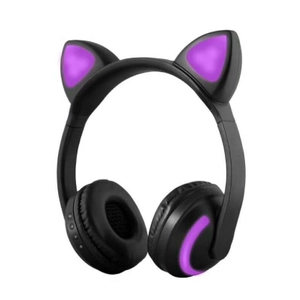
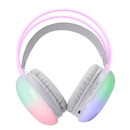
The 4-in-1 Bluetooth Wireless Over-Ear Headphones combine Bluetooth 4.1, TF card playback, AUX input, and FM radio for versatile listening options. Featuring a built-in microphone, convenient control buttons, and up to 15 hours of playback, these headphones are suitable for daily entertainment, commuting, and home use. Jaskey Limited offers OEM/ODM customization services for brands, wholesalers, importers, and retailers seeking flexible headphone solutions for global markets.
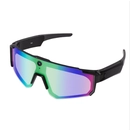
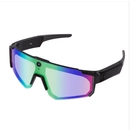
Wearable technology is moving beyond fitness tracking and basic wireless connectivity. Consumers are increasingly looking for products that fit naturally into everyday life while combining multiple digital functions in a familiar form. This shift is creating new opportunities for Smart Video Audio Sunglasses, a category that brings audio, visual capture and AI interaction together in wearable eyewear.
For consumer electronics brands, the opportunity is not simply to add more features. It is to create a product that feels useful, fashionable and easy to use throughout the day.
The development of smart eyewear is becoming more functional. Earlier audio glasses focused mainly on open-ear listening and Bluetooth calls. Newer concepts are moving toward a broader experience that combines audio, cameras and AI interaction.
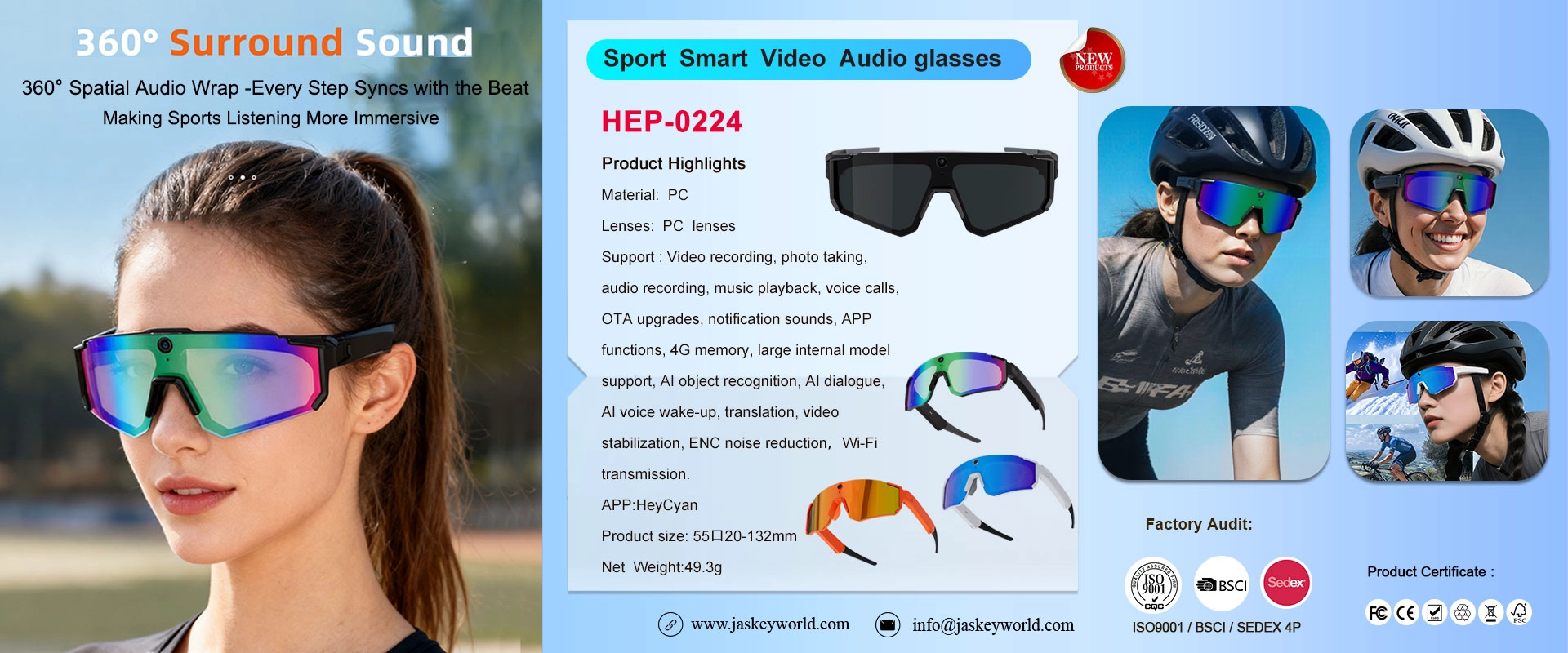
Smart Video Audio Sunglasses can support functions such as photography, video recording, Bluetooth calls, local music playback and AI dialogue. This combination gives the product a wider range of everyday applications while keeping the familiar form of sunglasses.
The key value is convenience. Instead of reaching for a smartphone for every interaction, users can access selected digital functions directly through wearable eyewear.
Consumers increasingly expect technology to fit their personal style rather than look like traditional electronic devices. Sunglasses provide a natural platform because they are already part of everyday fashion and outdoor lifestyles.
For brands, this means product development needs to consider appearance, comfort and functionality together. A technically advanced product may struggle commercially if it feels too bulky or visually disconnected from the consumer's lifestyle.
AI interaction is becoming an important differentiator in wearable devices. Instead of simply playing audio, smart eyewear can become an interface for questions, visual recognition and everyday assistance.
Features such as photo recognition, AI dialogue and image or video capture can therefore turn smart glasses from a Bluetooth accessory into a more interactive wearable device.
The challenge is making AI useful rather than adding it as a marketing feature. Simple, responsive interactions that solve real user needs are more valuable than excessive functions.
Short-form video has changed how consumers create and share content. Wearable cameras can provide a more hands-free way to capture moments during travel, outdoor activities and social occasions.
This creates potential for smart eyewear to appeal not only to technology enthusiasts, but also to consumers interested in content creation, travel and lifestyle experiences.
The category also faces several product-development challenges.
Combining audio, cameras, AI functions and wireless connectivity within a glasses frame requires careful attention to weight, battery efficiency, heat management and user comfort. Adding functions without maintaining a comfortable wearing experience can reduce long-term usability.
Privacy and consumer trust are another consideration for products capable of capturing photos or videos. Clear product communication, responsible design and appropriate market adaptation can help brands build confidence.
There is also a differentiation challenge. As more companies enter smart eyewear, simply describing a product as “AI smart glasses” may no longer be enough. Brands need a clear combination of design, functionality and user experience.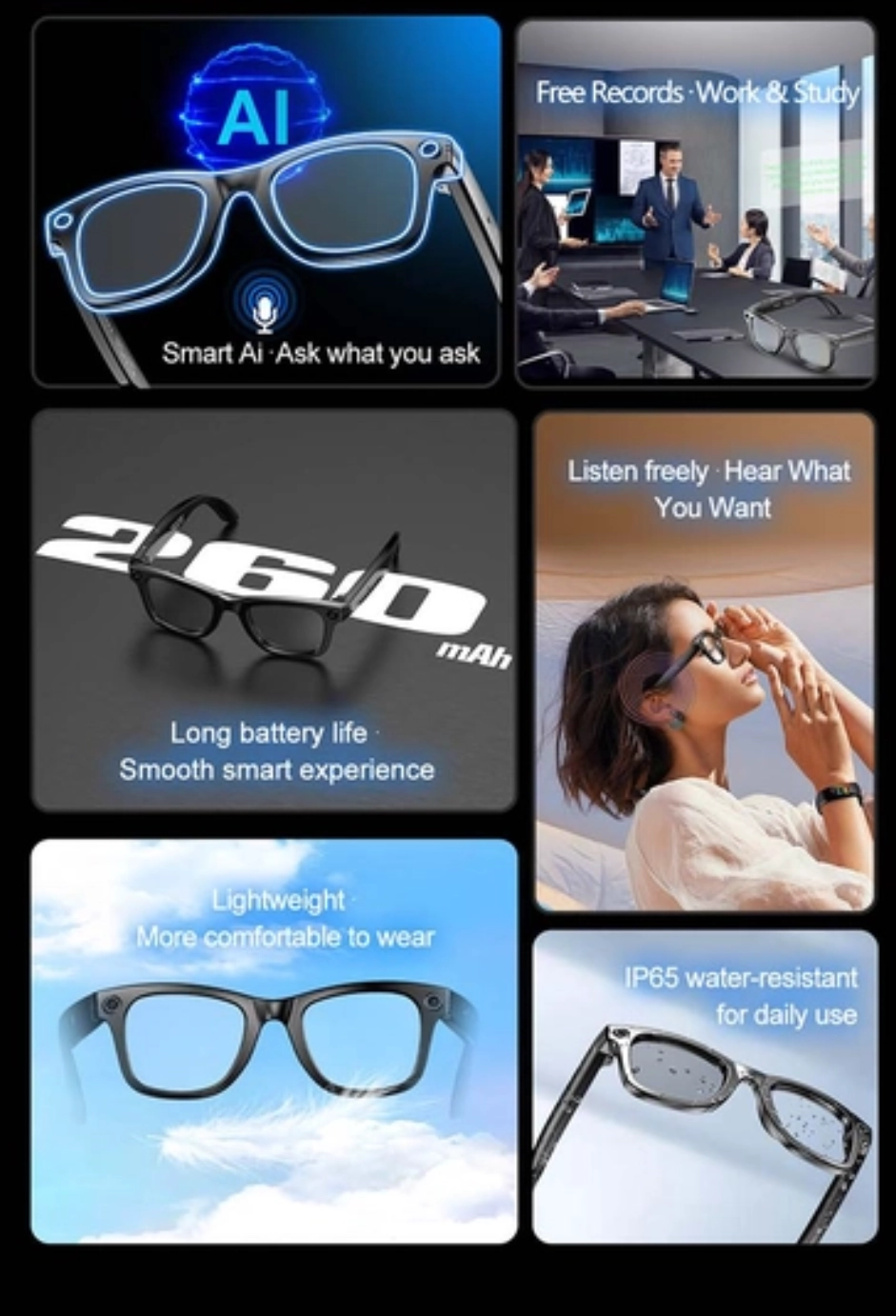
For consumer electronics brands, Smart Video Audio Sunglasses offer several potential product directions.
Lifestyle and outdoor electronics are natural applications because sunglasses already have an established role in travel, commuting and outdoor activities. The addition of audio, communication, recording and AI functions can create a more distinctive product proposition.
The category can also support seasonal and promotional opportunities. Fashion-oriented smart eyewear can be positioned for travel, festivals, outdoor activities, gifting and social-content use.
For brands selling through online channels such as Amazon, TikTok Shop or Shopify, distinctive wearable products can also provide more visual content opportunities than conventional consumer electronics.
Developing smart eyewear requires more than assembling electronic components. Industrial design, product engineering, user experience and manufacturing coordination all influence the final product.
For an OEM/ODM partner, strong R&D capability can help brands evaluate how different functions should be integrated without compromising the wearable form factor. Industrial design is equally important because the product must balance technology with the appearance of everyday eyewear.
Manufacturing and supply-chain experience can further support cost control, production consistency and customization for different markets.
Since 2008, Jaskey Limited has focused on consumer electronics product development, combining R&D, industrial design and manufacturing capabilities.
Its product portfolio covers Bluetooth speakers, headphones, audio glasses and smart wearable audio products. For brands, distributors, retailers and cross-border e-commerce sellers, this experience can support the development of customized wearable audio solutions for different market requirements.
Smart Video Audio Sunglasses represent the next stage of wearable audio: technology that combines sound, visual capture and AI interaction within an everyday lifestyle product. As consumers increasingly value convenience, personalization and hands-free experiences, this category gives consumer electronics brands another path to create differentiated products and new market propositions.