The consumer audio market is entering a new stage of product development.
For many years, Bluetooth speakers competed primarily around familiar specifications: sound output, battery capacity, wireless connectivity, portability, and price. These features remain important, but they are becoming increasingly difficult to use as the only source of product differentiation.
As wireless audio technology becomes more widely available, many products begin to look and function alike.
This is changing the way brands approach product development.
The market is gradually moving from function-driven products toward scenario-driven products, and increasingly toward experience-driven lifestyle audio.
Consumers are no longer simply asking, “What can this speaker do?”
They are increasingly asking:
Where can I use it?
How does it fit into my lifestyle?
What kind of experience does it create?
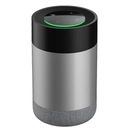
This shift is creating new opportunities for products such as the White Noise Wireless Speaker.
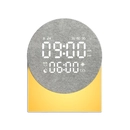
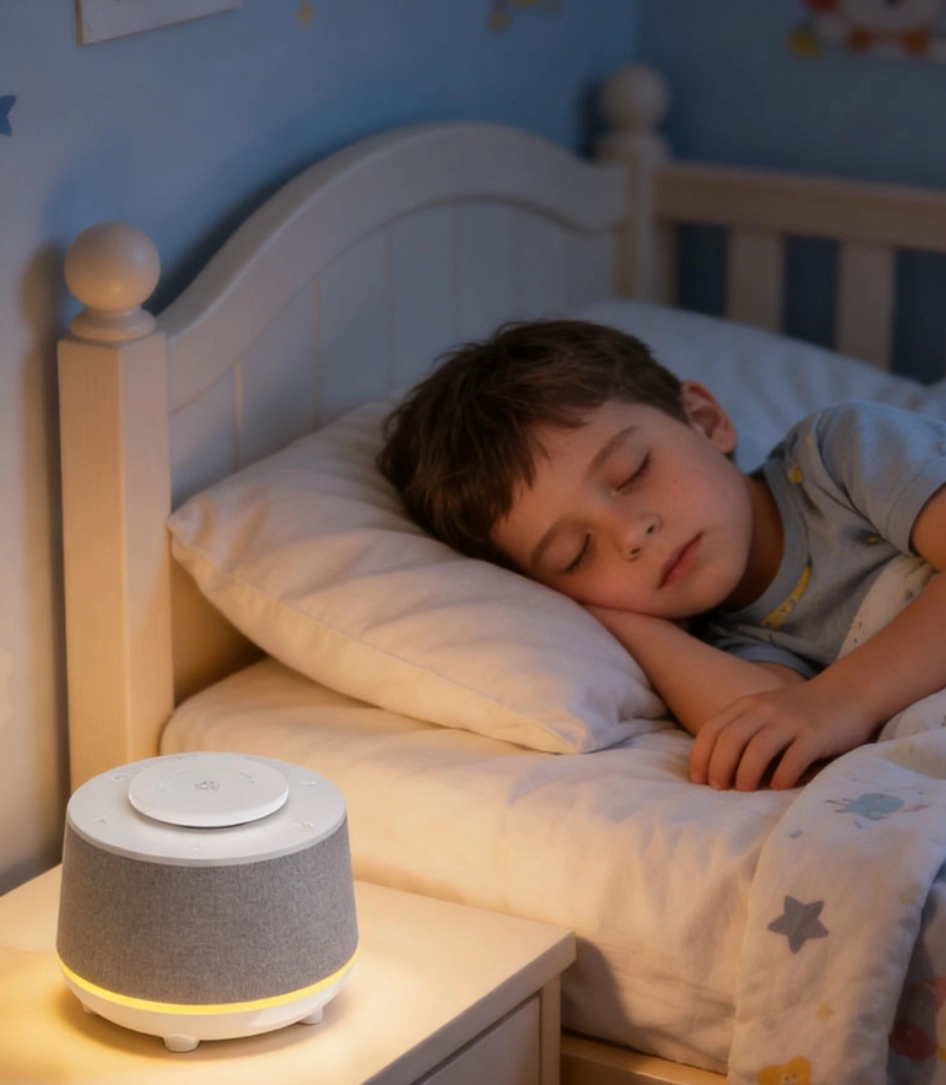
By combining white noise playback, Bluetooth audio, warm white lighting, and adjustable settings, the product moves beyond the traditional concept of a portable speaker. It can be positioned as a multi-scenario lifestyle audio device designed around relaxation, personal space, home environments, and everyday entertainment.
For brands, retailers, and e-commerce businesses, this creates an opportunity to explore a category with broader consumer relevance and stronger product differentiation.
1. Industry Trends: From Function-Driven Products to Experience-Driven Consumption
One of the most important changes in consumer electronics is the growing importance of experience.
Consumers still care about product functionality, but basic functionality is increasingly expected rather than viewed as a major competitive advantage.
Bluetooth connectivity, rechargeable batteries, and portable designs are now common features across many product categories.
As a result, brands need to look beyond individual functions.
The next stage of product innovation focuses on how different functions work together to support a specific consumer scenario.
This can be seen across the consumer electronics market.
A speaker is no longer only a speaker.
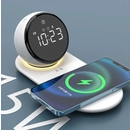
A lamp can include wireless charging.
A clock can become a Bluetooth speaker.
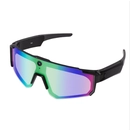
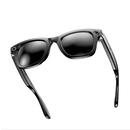
A wearable device can combine fashion and smart technology.
Similarly, a White Noise Wireless Speaker combines multiple experiences around a single lifestyle scenario.
Its product value can be understood on three levels.
Functional Value
The product integrates practical features, including:
- White noise playback
- Bluetooth audio
- Warm white light
- Adjustable settings
- Portable wireless use
Scenario Value
These functions can support different everyday situations, including:
- Bedroom environments
- Relaxation routines
- Personal leisure time
- Travel
- Home entertainment
Lifestyle and Emotional Value
Beyond functionality, the product can contribute to an atmosphere of:
- Comfort
- Relaxation
- Personal space
- Convenience
- Everyday enjoyment
This evolution—from function to scenario to experience—is becoming an important direction for consumer electronics innovation.
Portable, Smart, and Lifestyle-Oriented Product Design
Product design is also changing.
Consumers increasingly expect electronics to fit naturally into their living environments.
A portable speaker may sit on a bedside table.
A smart device may become part of a desk setup.
A lifestyle product may be displayed on an open shelf rather than hidden in a drawer.
This creates new expectations around industrial design.
For products designed around bedrooms and relaxation environments, appearance and materials can influence consumer perception.
The combination of ABS plastic and fabric can create a warmer and more lifestyle-oriented visual experience than conventional electronics dominated entirely by hard plastic surfaces.
Warm white lighting also supports this direction.
Instead of treating lighting as a purely decorative feature, brands can consider how visual elements contribute to the overall product experience.
The goal is not simply to add more functions.
The goal is to create a more complete user environment.
This is one reason multifunctional lifestyle products are gaining attention across the consumer electronics industry.
Social Media Is Changing How Consumers Discover Audio Products
Social media and short-form video platforms are also influencing product development.
TikTok, YouTube Shorts, Instagram Reels, and other visual platforms have changed how consumers discover products.
Traditional electronics often require technical explanations.
Lifestyle products can often be understood visually.
A short video can demonstrate:
A bedroom environment.
Warm ambient lighting.
A relaxing atmosphere.
White noise playback.
Bluetooth music during the day.
This creates a stronger storytelling opportunity than a conventional product demonstration.
For brands, product design increasingly needs to consider not only manufacturing and retail presentation but also content presentation.
Can the product be demonstrated quickly?
Does it have a recognizable visual identity?
Are there multiple scenarios that can be shown in video content?
Can consumers immediately understand its purpose?
These questions are becoming increasingly relevant in the era of social commerce.
For TikTok Shop, Amazon, Shopify, and direct-to-consumer websites, products with clear lifestyle scenarios can create more opportunities for content marketing and visual storytelling.
2. Market Pain Points: Why Traditional Bluetooth Speakers Are Becoming Harder to Differentiate
The wireless speaker market remains highly competitive, but several challenges are becoming more visible.
Product Homogenization
Many Bluetooth speakers share similar basic features.
Wireless connectivity, rechargeable batteries, compact designs, and standard audio functions are widely available.
As products become more similar, differentiation becomes more difficult.
Price Competition
When consumers cannot easily identify meaningful differences between products, price often becomes a major purchasing factor.
For brands and sellers, this can create pressure on margins.
For manufacturers, it increases the importance of efficient product development and supply chain management.
Limited Innovation
Simply increasing specifications does not always create a compelling reason for consumers to purchase a new product.
Product innovation increasingly requires new combinations of:
- Functions
- Design
- Materials
- Usage scenarios
- Lifestyle positioning
Weak User Experience Differentiation
Consumers may not remember every technical specification.
However, they may remember a product that fits naturally into a specific part of their daily lives.
This is where scenario-based product development becomes important.
Instead of asking how to create another Bluetooth speaker, brands can ask:
What new consumer scenario can audio technology support?
The White Noise Wireless Speaker represents one possible answer.
3. Market Opportunities: The Growth of Scenario-Based Lifestyle Audio
The market opportunity is not limited to white noise itself.
The broader opportunity is the growth of lifestyle audio.
This category sits between several consumer markets:
- Consumer electronics
- Home lifestyle products
- Personal audio
- Relaxation products
- Gift products
This cross-category positioning can create additional opportunities for brands.
Product Portfolio Expansion
Traditional audio brands can explore new product categories beyond conventional portable speakers.
For example:
- Sleep Audio Series
- Relaxation Audio Series
- Home Lifestyle Audio
- Ambient Sound Products
- Audio and Lighting Products
This allows brands to expand their product portfolios around consumer needs rather than relying on a single traditional product category.
Cross-Category Retail Opportunities
A White Noise Wireless Speaker may be relevant to more than one retail environment.
Depending on product positioning, it can be presented alongside:
- Bluetooth speakers
- Home accessories
- Lifestyle electronics
- Travel products
- Gift products
For retailers and e-commerce sellers, this can create more flexible merchandising opportunities.
Amazon, TikTok, and Shopify Opportunities
Online platforms increasingly reward clear product positioning.
For Amazon, products need strong differentiation and clear customer benefits.
For TikTok, products benefit from visually engaging demonstrations.
For Shopify brands, products need a story that connects with a broader brand identity.
A multifunctional lifestyle audio product can support all three approaches.
Potential content themes may include:
- Bedroom setup ideas
- Relaxing evening routines
- Home atmosphere
- Travel essentials
- Creative desk setups
- Gift ideas
This gives brands more content opportunities than a product positioned only as a standard Bluetooth speaker.
Gift and Seasonal Consumption
Creative consumer electronics can also benefit from gift-oriented purchasing.
Products that combine design, functionality, and lifestyle relevance can be suitable for:
- Holiday promotions
- Birthday gifts
- Seasonal campaigns
- Home-related gift collections
For private label brands, industrial design, colors, packaging, and product storytelling can further strengthen the perceived value of a lifestyle-oriented product.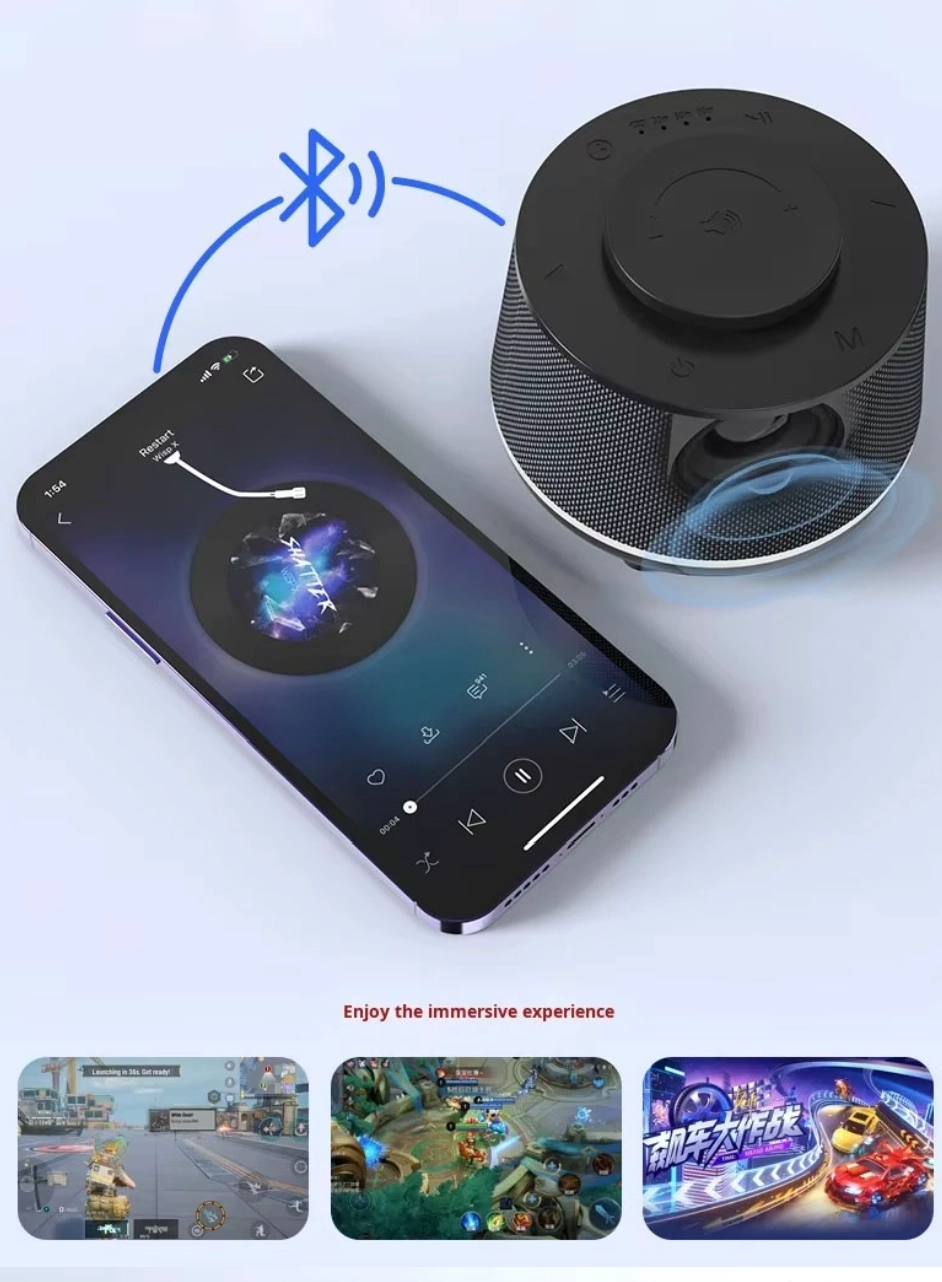
4. Manufacturer Value: Connecting Market Demand with Product Development
As consumer expectations become more specialized, product development becomes increasingly important.
A successful product requires more than manufacturing capability.
Brands need to identify market opportunities.
They need to develop differentiated products.
They need to move from concept to production efficiently.
They also need to balance innovation, quality, cost, and market requirements.
This creates a closer relationship between market challenges and manufacturing capabilities.
Challenge: Faster Product Launches
Capability: Product R&D and Rapid Development
Consumer trends can change quickly.
Product development capabilities can help transform market concepts into functional products, samples, and production-ready solutions.
For a White Noise Wireless Speaker, development may involve integrating Bluetooth audio, white noise playback, lighting, battery management, and simple user controls into a coordinated product experience.
Challenge: Product Differentiation
Capability: Industrial Design and Innovation
Industrial design can help transform a functional concept into a recognizable consumer product.
For lifestyle audio, product appearance, materials, shape, lighting, and user interaction all contribute to market positioning.
The goal is to create a product that consumers can understand, use, and remember.
Challenge: Different Brand Requirements
Capability: OEM, ODM, and Private Label Development
Different customers enter the market with different requirements.
Some may have their own product concepts.
Others may require product development support.
Some may focus on branding and packaging.
Others may need customized functions or industrial design.
OEM, ODM, and private label capabilities provide flexibility for different product strategies.
Challenge: Cost and Supply Stability
Capability: Global Supply Chain Integration
Product innovation must also remain commercially practical.
Stable component sourcing, production planning, quality management, and cost control are important for supporting consistent product availability.
This is particularly relevant for:
- Retail launches
- E-commerce inventory planning
- Seasonal sales
- International product distribution
Challenge: Global Market Requirements
Capability: International Market Experience
Consumer preferences vary between markets.
Europe, Japan, South Korea, and Australia may place different levels of importance on design, usability, packaging, quality expectations, and product positioning.
Experience serving international markets can help manufacturers better understand these differences during product development.
Global product development requires more than simply producing the same product for every market.
It requires balancing innovation with practical market requirements.
The Future of White Noise Wireless Speakers
The future of consumer audio is becoming increasingly scenario-based, lifestyle-driven, and experience-focused.
The most interesting product opportunities may not always come from adding more technical specifications.
They may come from identifying new consumer situations and designing products around them.
The evolution is clear:
Traditional Audio Products
↓
Multifunctional Audio Products
↓
Scenario-Based Audio
↓
Experience-Driven Lifestyle Audio
The White Noise Wireless Speaker reflects this transition.
By combining white noise playback, Bluetooth functionality, warm lighting, and portable design, it creates a product concept that extends beyond traditional audio entertainment.
For brands, retailers, distributors, and e-commerce sellers, the opportunity is to explore products with stronger consumer scenarios and clearer differentiation.
For product developers and manufacturers, the challenge is to transform these market insights into commercially practical products.
Since 2008, we have focused on consumer electronics, combining product R&D, industrial design, manufacturing, and global supply chain capabilities. With experience serving markets including Europe, Japan, South Korea, and Australia, we continue to explore how changing consumer needs can become practical product opportunities.
As lifestyle audio continues to develop, collaboration between brands, product teams, and experienced manufacturing partners can help turn emerging trends into new products and market opportunities.
Explore new possibilities in White Noise Wireless Speakers, lifestyle audio innovation, OEM/ODM product development, private label projects, and global market collaboration.