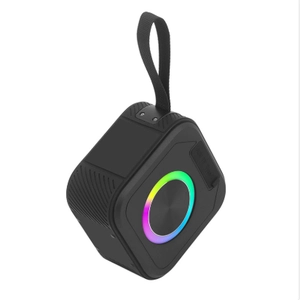
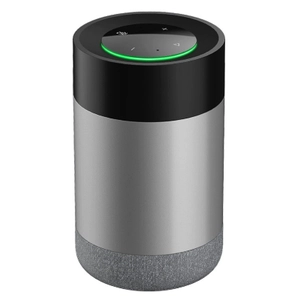
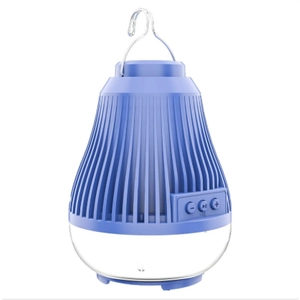
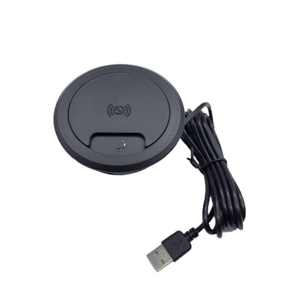
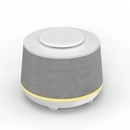
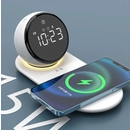
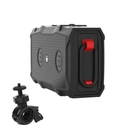
The market for sleep and wellness audio is moving beyond traditional white noise machines. Consumers are increasingly looking for products that combine relaxation, convenience, design and multiple everyday functions in one compact device. This shift is creating new opportunities for consumer electronics brands to develop white noise Bluetooth speakers that fit naturally into modern lifestyles.
Industry research indicates that demand for white noise and sleep-aid products remains significant across online channels, while newer products increasingly combine sound, timers, lighting and wireless connectivity.
1. Industry Trends: From Sleep Aid to Lifestyle Audio
The consumer electronics market is becoming increasingly experience-driven and lifestyle-driven. Instead of purchasing a device for only one purpose, consumers increasingly expect technology to support several aspects of their daily routines.
This trend is particularly relevant to sleep-focused audio. Modern consumers may use ambient sound not only for bedtime, but also for relaxation, meditation, reading, working or creating a quieter personal environment. Market research also points to portable rechargeable designs, smart controls and multifunctional sleep devices as important directions within the category.
Product design is evolving accordingly. Portable, compact and multifunctional devices can offer greater flexibility than conventional single-purpose machines. A white noise Bluetooth speaker can combine built-in sound content with Bluetooth music playback, lighting and timing functions, giving brands more opportunities to create differentiated product concepts.
Social commerce is another influence. Sleep wellness and “sleepmaxxing” content have become visible on social platforms, while TikTok Shop already features portable sleep speakers, white noise products and multifunctional audio devices.
For brands, this means product development increasingly needs to consider not only technical specifications, but also visual identity, content potential and everyday usability.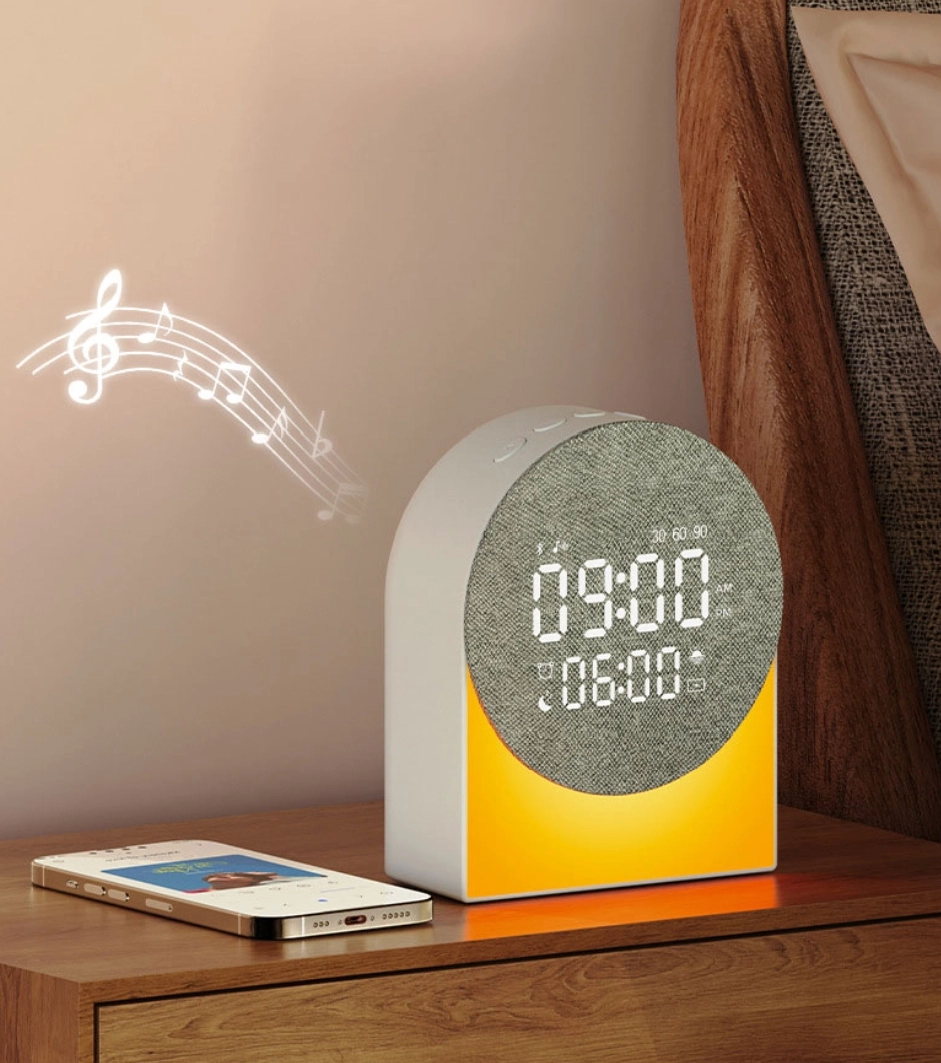
2. Market Pain Points: Differentiation Is Becoming More Difficult
Despite growing interest, the white noise and sleep-audio category faces several challenges.
The first is product homogenization. Many products offer similar sound libraries, basic timers and simple speaker functions. When specifications become comparable, brands can quickly enter price competition.
The second challenge is limited innovation. Adding more sound effects alone may not create meaningful differentiation. Consumers increasingly expect products to solve multiple needs while remaining simple to operate.
The third is user experience. A sleep-oriented product needs to fit naturally into a bedtime environment. Excessive controls, complicated interfaces or poorly integrated features can reduce perceived value.
Finally, brands selling through Amazon, TikTok Shop and their own ecommerce websites need a clear product story. Online consumers often make decisions based on product images, short videos, reviews and easily understood benefits, making differentiation particularly important.
3. Market Opportunities: Multifunctional Audio Creates New Space
One emerging opportunity is the development of multifunctional white noise Bluetooth speakers that combine sleep audio with everyday entertainment.
A product combining white noise, Bluetooth music, a night light, an alarm or wake-up light and sleep timers can address several lifestyle moments within one compact design. This creates opportunities for brands targeting bedroom accessories, wellness electronics, smart lifestyle products and practical gifting.
The ecommerce opportunity is also significant. Amazon remains an important discovery and sales channel for white noise products, while social commerce provides a highly visual environment for demonstrating product functions. Current marketplace listings show consumer interest in compact Bluetooth sleep speakers with white noise, nature sounds and 30/60/90-minute timers.
This creates potential for private-label and OEM product development, particularly for brands looking for a distinctive combination of audio and lifestyle functions.
Seasonal gifting is another opportunity. A compact speaker with ambient sounds, lighting and clock functions can be positioned around Christmas, Mother's Day, birthdays, housewarming occasions and other lifestyle-oriented gifting periods.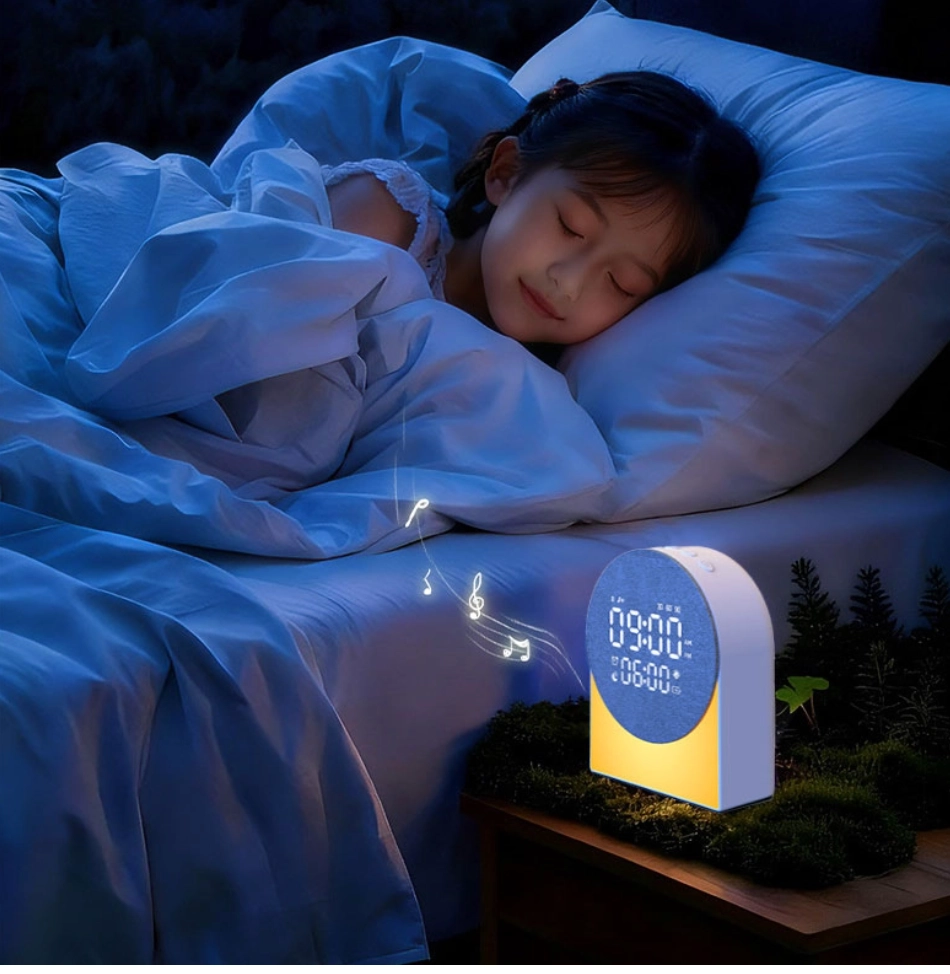
4. Manufacturer Value: Turning Product Ideas into Market-Ready Solutions
In this category, manufacturer capability can directly influence how quickly a brand responds to changing consumer demand.
Strong product R&D and rapid development capabilities allow manufacturers to integrate new functions while maintaining practical product architecture. Industrial design is equally important because sleep and wellness products need to fit naturally into bedrooms and personal spaces.
For brands pursuing OEM, ODM or private-label strategies, customization can extend beyond logos and packaging. It can include product appearance, sound libraries, lighting concepts, control methods, packaging and market-specific configurations.
Supply-chain stability and cost control are also critical in competitive ecommerce categories. Consistent component sourcing, production management and quality control can help brands balance feature development with commercially viable pricing.
Global market adaptability is another important consideration. Products targeting the EU, Japan, South Korea and Australia may require different approaches to consumer preferences, product documentation, packaging and regulatory compliance. Manufacturers with international market experience can help brands develop products with these differences in mind.
5. Conclusion: The Next Opportunity in Sleep and Lifestyle Audio
The evolution of white noise products reflects a broader consumer electronics trend: people increasingly want technology that supports wellness, entertainment and everyday convenience at the same time.
For consumer electronics brands, the opportunity is moving beyond traditional sound machines toward compact, attractive and multifunctional lifestyle audio products.
A white noise Bluetooth speaker with built-in ambient sounds, Bluetooth connectivity, clock functions, night lighting and timer modes represents this direction. With the right industrial design, user experience and market positioning, such products can serve multiple consumer scenarios while giving brands more room to differentiate.
For companies exploring new audio categories, OEM/ODM product development, private-label programs and distribution partnerships can provide practical routes for bringing new lifestyle audio concepts to market.