1. Industry Trends: Integrating Wireless Charging into Modern Furniture
As smart living continues to influence consumer electronics, built-in furniture wireless chargers are gaining attention as a practical solution for modern homes, offices, hotels, and commercial interiors. Instead of relying on separate charging stands and visible cables, consumers increasingly prefer integrated charging features that keep spaces organized while making everyday technology easier to use.
This trend reflects a broader shift toward experience-driven and lifestyle-driven product design. Consumers now evaluate electronic accessories not only by their technical specifications but also by how naturally they fit into daily routines. Wireless charging integrated into desks, bedside tables, cabinets, and other furniture can provide convenient access to power without occupying valuable surface space.
Product design is also moving toward compact structures, discreet installation, and multifunctional performance. For furniture manufacturers and consumer electronics brands, built-in wireless chargers offer an opportunity to combine functional technology with minimalist interior design.
Digital marketing is influencing product discovery as well. TikTok, short-form video platforms, and online product demonstrations make it easier to communicate the benefits of concealed charging solutions. A simple demonstration of placing a compatible smartphone on a furniture surface can quickly explain the product's value to potential customers.
Across international markets, the adoption of wireless charging accessories is supported by demand for convenient, space-efficient technology. However, commercial success depends on factors such as device compatibility, charging performance, installation requirements, product reliability, and compliance with destination-market regulations.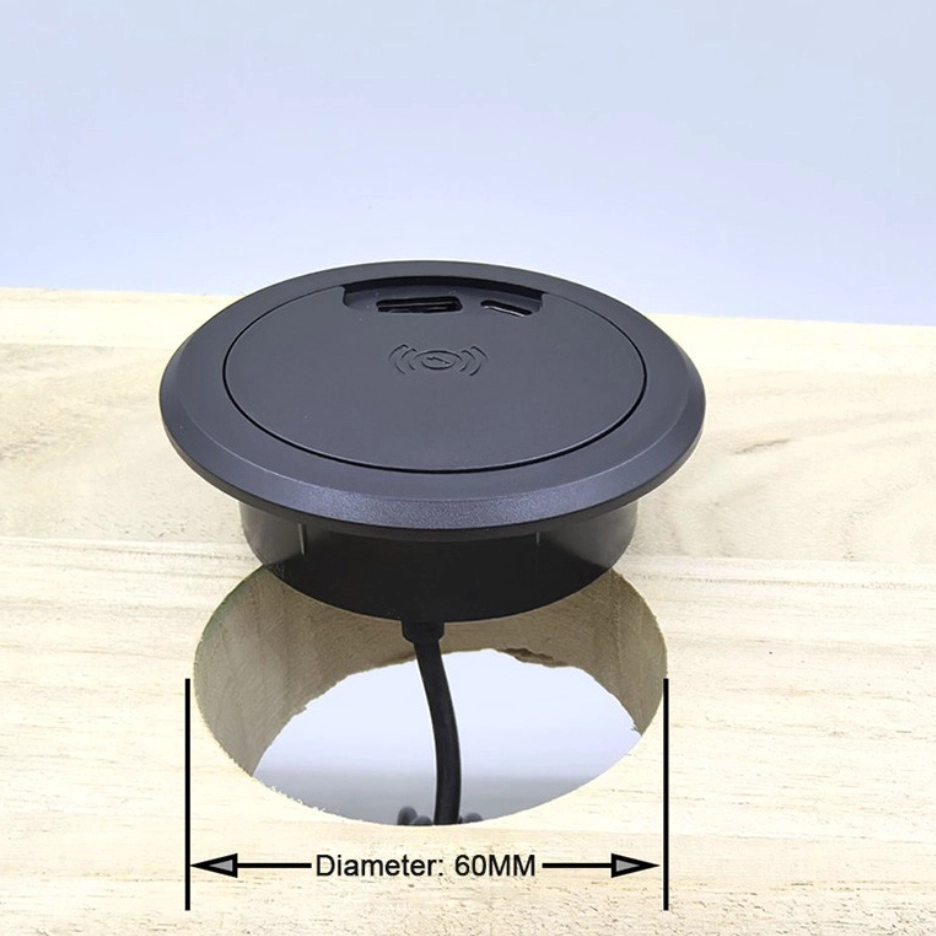
2. Market Pain Points: Moving Beyond Price Competition
Despite growing interest in integrated charging solutions, the market presents several challenges for brands, importers, and retailers.
Product homogenization is one of the most common issues. Many wireless chargers offer similar basic functions, making it difficult for buyers to distinguish between competing products. When specifications appear almost identical, price often becomes the primary purchasing factor, putting pressure on margins.
Limited product innovation creates another challenge. Furniture-integrated charging requires more than placing a wireless charging module inside a housing. Product dimensions, installation depth, surface materials, heat management, alignment, and cable routing all influence the final user experience.
Inconsistent performance can also affect customer satisfaction. Charging efficiency, smartphone compatibility, and the distance between the charging coil and the device are important considerations. Furniture materials and installation methods can affect the practical transmission distance, so product testing should reflect the intended application.
Finally, brands face the challenge of differentiation. Without thoughtful design, clear installation guidance, and reliable performance, a wireless charger can become another interchangeable accessory rather than a meaningful addition to a smart-living product portfolio.
Addressing these issues requires coordinated product development, quality control, and a clear understanding of the end user's environment.
3. Market Opportunities: Smart Furniture and Integrated Charging
Built-in furniture wireless chargers create opportunities for businesses serving the smart-home, office furniture, hospitality, and interior accessories markets.
Smart Furniture and Space-Saving Design
As living and working spaces become more multifunctional, integrated charging can improve convenience while reducing visible cables. Bedside tables, office desks, reception counters, and hotel furniture are potential applications where easy access to power is valuable.
E-Commerce and Digital Product Demonstrations
Amazon, TikTok Shop, and Shopify provide channels for presenting functional furniture accessories to targeted audiences. Short videos can demonstrate installation, charging convenience, and space-saving benefits more clearly than specification lists alone.
For online sellers, clear compatibility information, installation instructions, and realistic product demonstrations can help reduce buyer uncertainty and support better purchasing decisions.
Private Label and Product Differentiation
Private-label brands can explore opportunities through different product dimensions, installation methods, cable configurations, packaging, and coordinated furniture accessory collections. OEM/ODM development can help businesses adapt a standard charging concept to specific retail positioning or furniture designs.
Gift and home-lifestyle categories may also benefit from charging accessories that combine practical functionality with clean, modern aesthetics, although demand will vary by channel and target audience.
Product Example: Built-in Furniture Wireless Charger
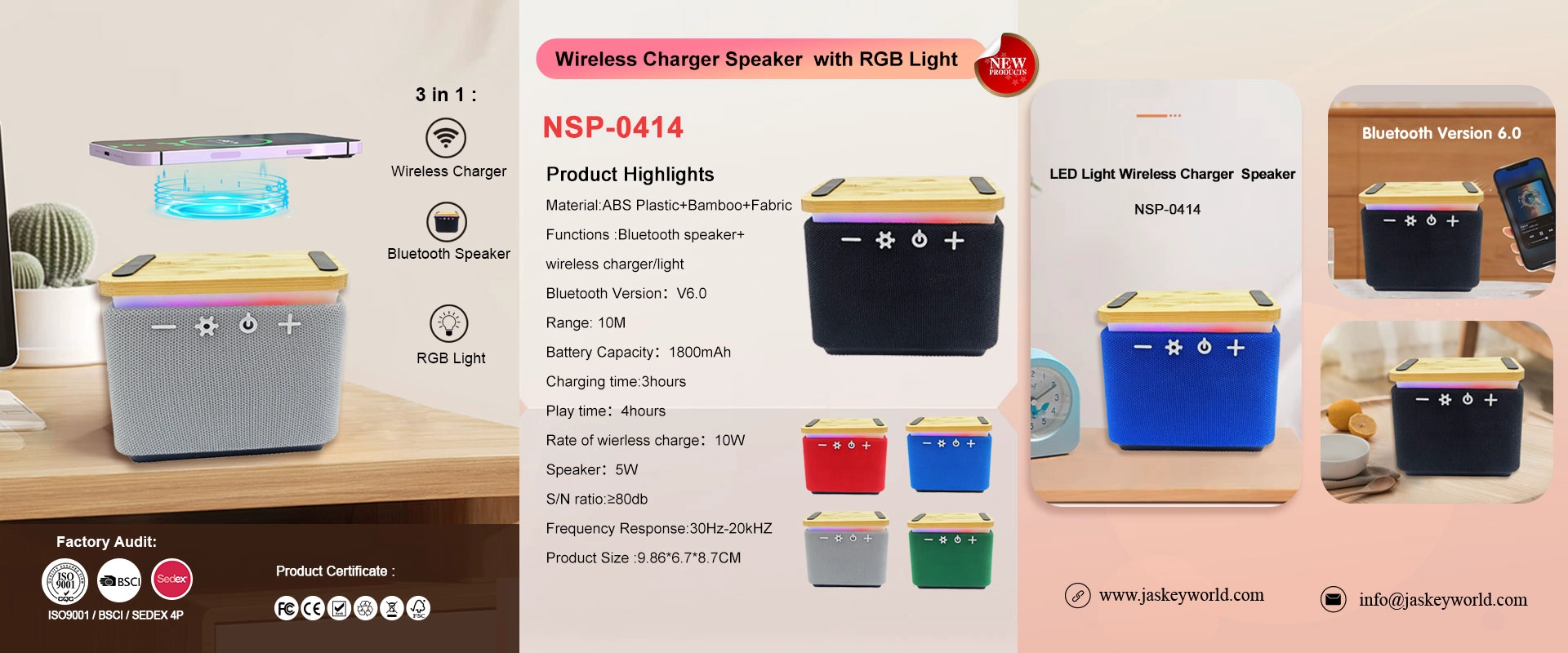
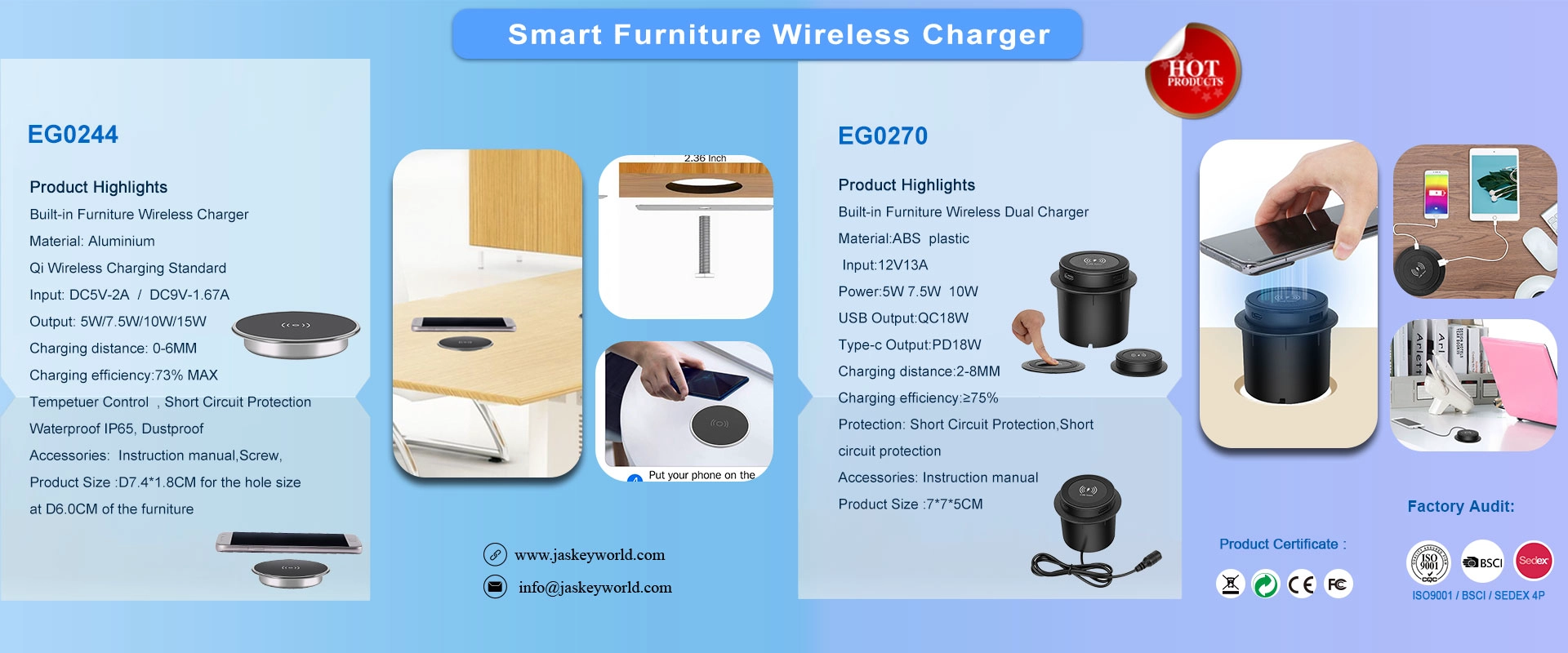
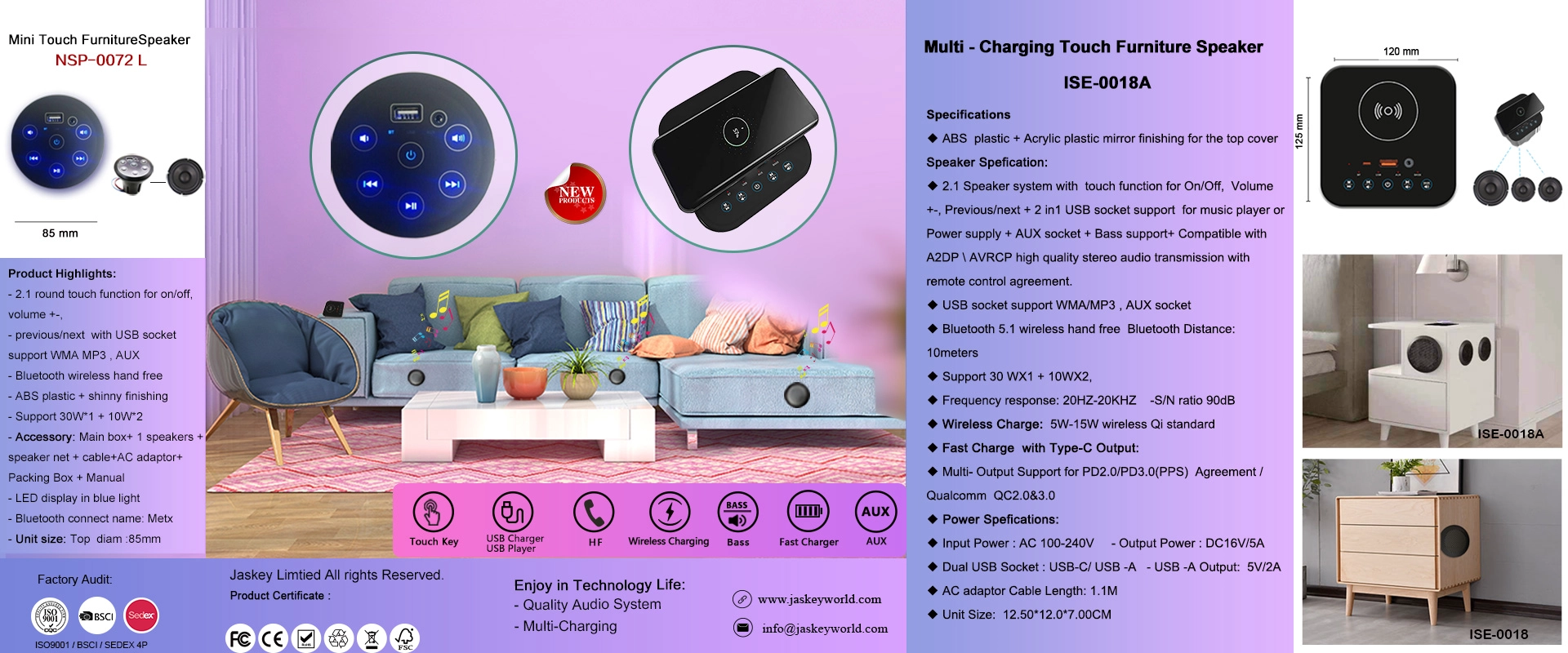
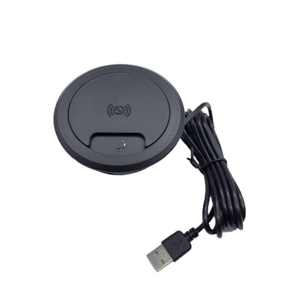
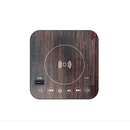
A typical compact built-in furniture wireless charger illustrates how practical specifications support different applications. A design using ABS plastic, 5W wireless charging, and a 2–6 mm transmission distance can be considered for compatible smartphones and suitable furniture installations.
The product specification also includes a 5V/2A input, USB output rated at 5V/1A, Type-C output rated at 5V/1A, charging efficiency of at least 75%, and a 2-meter cable. Its approximate dimensions of 7.5 × 2.2 cm support a compact product concept.
These specifications provide a starting point for product evaluation rather than a guarantee of universal compatibility. Actual performance depends on device support, coil alignment, installation depth, and furniture surface construction. The USB and Type-C outputs should also be evaluated according to the intended simultaneous-use conditions.
4. Manufacturer Value: Turning Product Concepts into Market-Ready Solutions
For brands and importers, an experienced OEM/ODM manufacturer can contribute to more than production capacity. Product development, engineering coordination, design refinement, and supply-chain management all influence commercial viability.
Product R&D and rapid development: Engineering teams can assess charging modules, structural requirements, electrical performance, and installation constraints early in the development process. Prototype testing helps identify potential issues before mass production.
Industrial design and innovation: Compact dimensions, discreet installation, practical cable routing, and user-friendly positioning can help create products that fit different furniture styles and customer expectations.
OEM/ODM and private-label customization: Depending on project requirements, customization may include product dimensions, housing design, cable length, packaging, branding, and selected functional configurations. Clear technical requirements and agreed validation procedures help align product development with market needs.
Supply-chain stability and cost control: Component sourcing, production planning, incoming-material inspection, and finished-product testing help balance cost, quality, and delivery expectations. Consistent processes are particularly important when supporting repeat orders across multiple sales channels.
International market adaptation: Businesses serving Europe, Japan, South Korea, and Australia need to consider local electrical requirements, applicable product regulations, labeling, packaging, and customer expectations. Depending on the final product configuration, relevant safety, electromagnetic compatibility, and wireless-charging requirements should be reviewed before market entry.
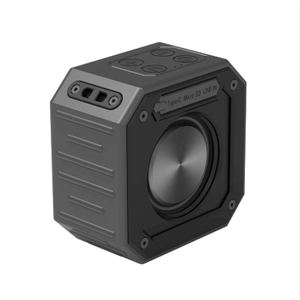
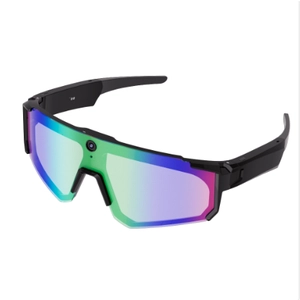
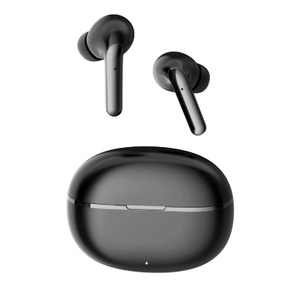
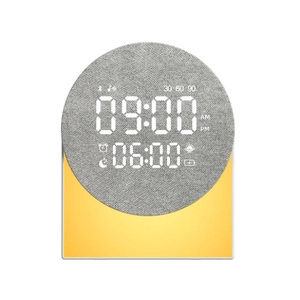
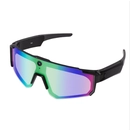
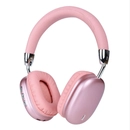
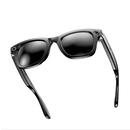
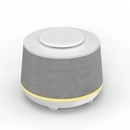
Since 2008, Jaskey Limited has focused on consumer electronics product design, R&D, manufacturing, and international business. Its experience across Bluetooth speakers, headphones, audio glasses, and smart audio products provides a foundation for understanding product development and global market requirements. Applying these capabilities to adjacent consumer electronics categories requires product-specific engineering and validation.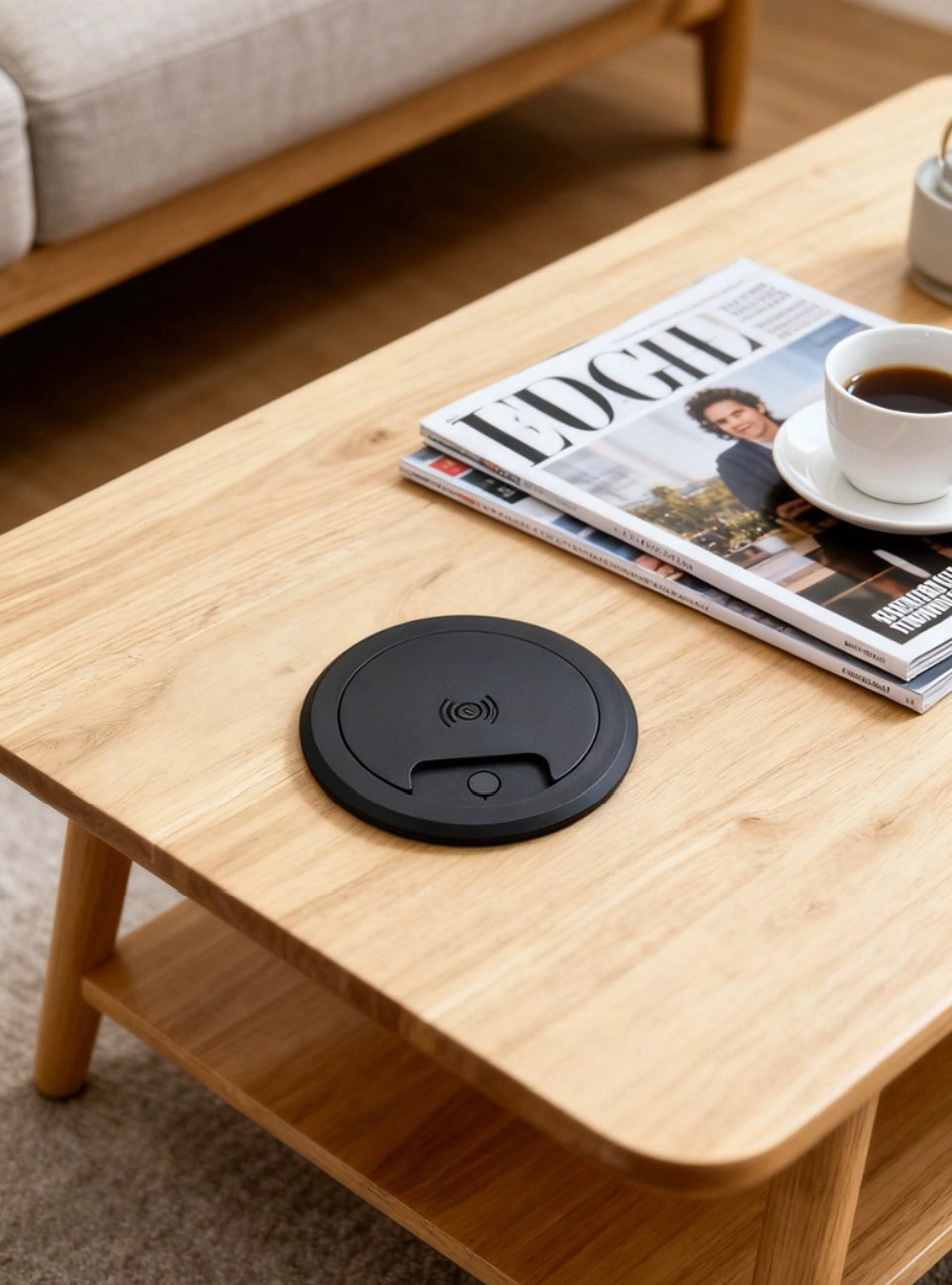
5. Conclusion: Building Value in the Integrated Charging Market
The development of built-in furniture wireless chargers reflects a broader demand for convenient, space-efficient, and lifestyle-oriented technology. For brands, retailers, and importers, opportunities lie in solving real installation challenges, improving everyday usability, and differentiating products beyond price.
Successful market entry depends on balancing compact design, charging performance, compatibility, quality management, and destination-market requirements. Working with a capable development and manufacturing partner can help businesses evaluate concepts, refine specifications, and prepare products for their intended channels.
For companies exploring new smart-living accessories, furniture-integrated charging offers a practical area for product innovation and portfolio expansion. Brand collaboration, OEM/ODM development, and distribution partnerships can all play a role in bringing well-designed solutions to international markets.
Explore new product development opportunities with Jaskey Limited and identify wireless charging solutions aligned with your target customers and market strategy.