Industry Trends: Why Furniture and Audio Are Coming Together
The consumer electronics industry is moving beyond the traditional idea of standalone devices. As consumers spend more time working, relaxing and entertaining at home, they increasingly expect technology to integrate naturally into their living environment.
This shift is creating new opportunities for lifestyle audio products. Instead of choosing a speaker purely for sound output, consumers are increasingly considering how a product looks, how easily it fits into a room and how naturally they can interact with it.
This is where furniture audio is gaining attention.
Mini Touch Furniture Speakers combine audio functionality with furniture-oriented design, creating a product category that sits between traditional home audio and lifestyle accessories. For brands, this provides an opportunity to develop products around specific environments rather than competing only within the crowded portable Bluetooth speaker market.
Product design is also becoming more portable, smart and interactive. Touch controls, wireless connectivity, compact structures and multi-function interfaces are increasingly influencing consumer expectations.
At the same time, TikTok, Instagram Reels, YouTube Shorts and other short-form video platforms have changed how consumers discover products. Products with visible functions and distinctive designs are easier to demonstrate in short videos, making interactive consumer electronics particularly suitable for social commerce and content-driven marketing.
For global brands, this creates a broader opportunity: audio products can become part of the lifestyle experience rather than simply another electronic accessory.
Market Pain Points: The Challenge of Audio Product Homogenization
The growth of Bluetooth audio has also created significant challenges for brands.
One of the biggest issues is product homogenization. Thousands of speakers compete with similar descriptions: Bluetooth connectivity, wireless playback, compact size, bass enhancement and portable use.
When products offer similar features and similar visual designs, differentiation becomes difficult. Online marketplaces can quickly turn product selection into a price comparison exercise, putting pressure on margins and making long-term brand positioning harder.
Another challenge is the speed of consumer trends. A product concept that takes too long to develop may no longer match market demand when it finally reaches retail channels.
User experience is another important issue. Adding functions does not automatically create a better product. Consumers expect controls to be intuitive, designs to be practical and different functions to work together naturally.
For this reason, brands are increasingly looking for alternative product concepts that combine functionality, design and lifestyle value.
Furniture audio offers one potential direction.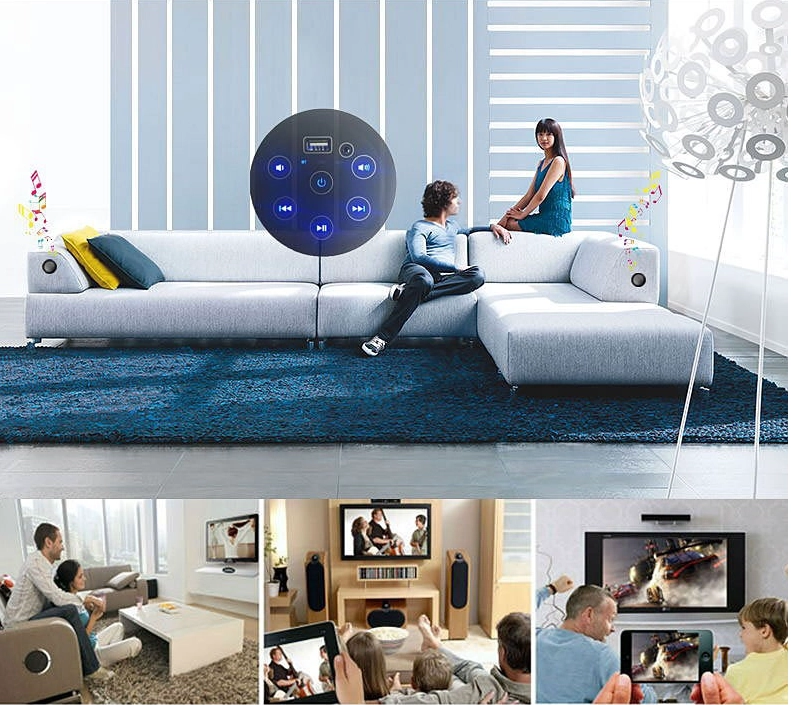
Market Opportunities: From Bluetooth Speakers to Lifestyle Audio
The opportunity for furniture speakers comes from their ability to address several consumer trends at the same time.
A Mini Touch Furniture Speaker can be positioned for bedside tables, desktops, home offices, bedrooms, hospitality environments and other spaces where consumers want compact but functional audio.
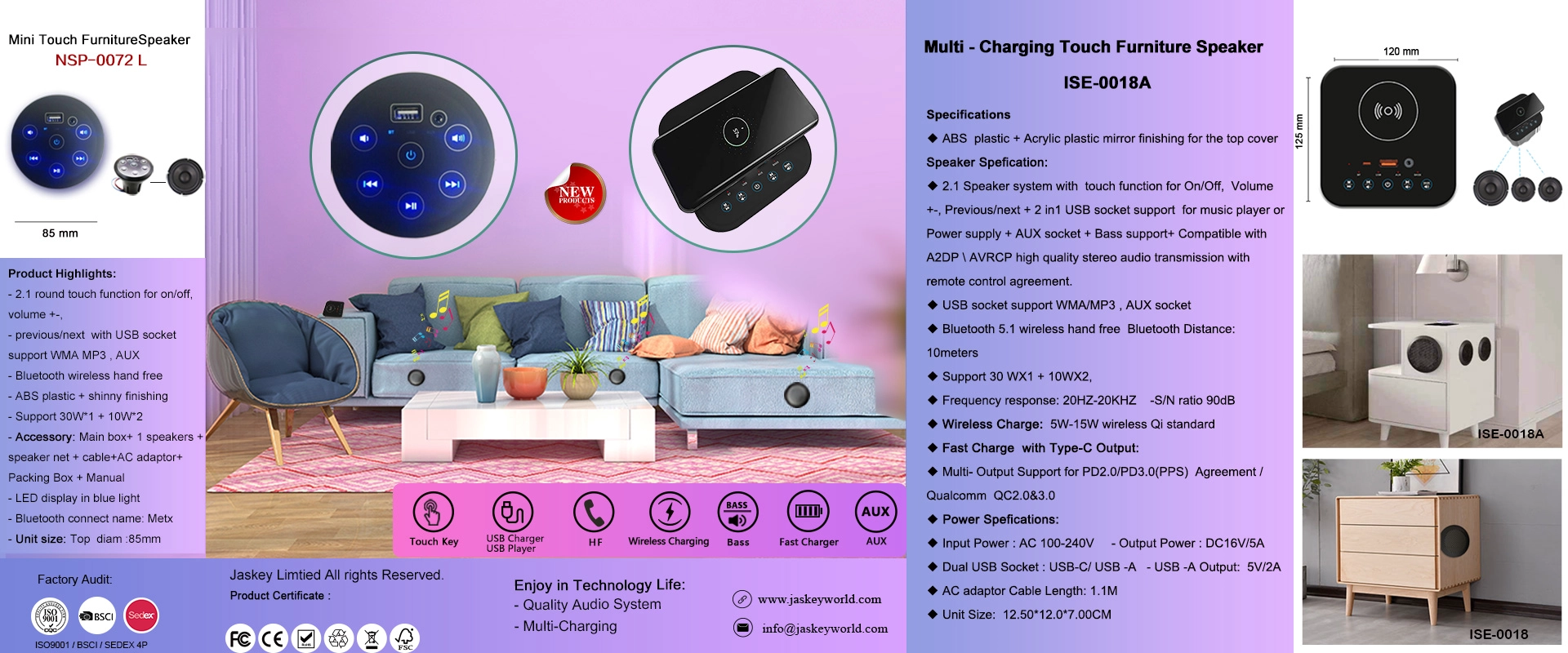
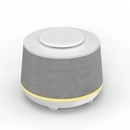
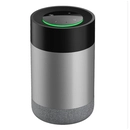
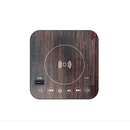
The product itself demonstrates how multiple functions can be combined into a furniture-oriented audio system. Its 2.1-channel configuration uses three speakers to create a more complete audio setup, while the round touch-control interface provides convenient access to power, volume and music navigation.
Connectivity is another important part of the product proposition. Bluetooth 5.0 supports wireless audio and hands-free calling, while USB connectivity can support music playback or power supply. An AUX input provides an additional connection option for users who prefer wired audio sources.
A blue LED display adds a simple visual interface, while bass support helps create a more engaging listening experience.
For e-commerce brands, these functions also provide strong content opportunities. Instead of showing another conventional Bluetooth speaker, short-form content can demonstrate touch interaction, the multi-speaker configuration and how the product integrates into a desk or furniture setting.
This makes furniture audio relevant to Amazon, Shopify, TikTok commerce and other digital retail channels, where visual differentiation can influence product discovery.
The category can also have potential in gifting and seasonal campaigns because it combines practical technology with a lifestyle-oriented design.
For private-label brands, these characteristics create opportunities to build differentiated audio collections rather than competing solely on standard speaker specifications.
Manufacturer Value: From Product Concept to Market-Ready Audio
As the audio market becomes more design-driven, the role of an experienced consumer electronics manufacturer extends beyond production.
Product development begins with understanding the target market and translating consumer needs into feasible product concepts. Research and development capabilities can help brands evaluate functions, component selection, acoustic structures and product architecture before mass production.
Industrial design is equally important for furniture audio. Unlike conventional portable speakers, furniture-oriented products need to consider how their shape, surface finish, controls and proportions interact with the surrounding environment.
The Mini Touch Furniture Speaker uses an ABS plastic housing with a matte finish to create a clean and contemporary appearance. Its touch interface and compact multi-speaker structure are designed around practical interaction and space-conscious applications.
For brands pursuing OEM, ODM or private-label development, customization can extend across industrial design, functions, packaging and product configurations. This allows companies to create products aligned with their own positioning and target consumer groups.
Supply chain capability is another critical factor. A furniture audio product requires coordinated sourcing and production across speakers, electronic components, housings, cables, power adapters, packaging and other accessories. Stable supply chain management can help manufacturers balance product quality, development schedules and cost targets.
Global market knowledge also matters. Products intended for Europe, Japan, South Korea and Australia may face different consumer expectations, design preferences and compliance considerations. Manufacturers with international market experience can incorporate these factors earlier in the development process.
From Traditional Audio to Integrated Furniture Audio
The development of Mini Touch Furniture Speakers reflects a broader change in the consumer electronics market.
The next generation of audio products will not necessarily compete only through higher power, more features or lower prices. Increasingly, successful products will connect sound with design, convenience and lifestyle.
Furniture audio provides brands with a way to explore this opportunity. Touch interaction, wireless connectivity, multi-speaker configurations and compact furniture-friendly designs can create new product positions across home, office and hospitality environments.
For brands, retailers, distributors and e-commerce companies, this shift creates opportunities to develop more differentiated audio portfolios and respond to consumers who want technology to fit naturally into their surroundings.
Building the Right Furniture Audio Solution
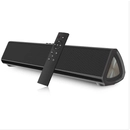
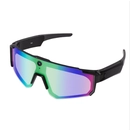
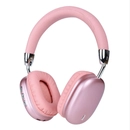
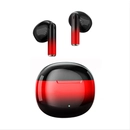
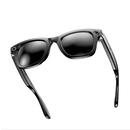
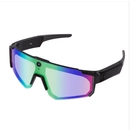
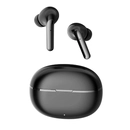
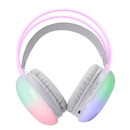
Since 2008, our company has focused on consumer electronics, combining product research and development, industrial design, manufacturing and global supply capabilities across Bluetooth speakers, headphones, audio glasses and smart audio products.
Our experience serving international markets including Europe, Japan, South Korea and Australia has provided insight into changing consumer preferences and the different requirements of global audio markets.
For companies exploring furniture audio solutions, custom Bluetooth speakers or private-label audio products, the development process is ultimately about finding the right balance between product concept, user experience, design, technical feasibility and market positioning.
Mini Touch Furniture Speakers are one example of how these elements can come together.
As lifestyle-driven audio continues to evolve, brands that identify new product formats early may have greater opportunities to create differentiated products and build stronger positions in increasingly competitive consumer electronics markets.
Explore new furniture audio concepts, discuss product development opportunities and discover how integrated audio can create new value for your target market.