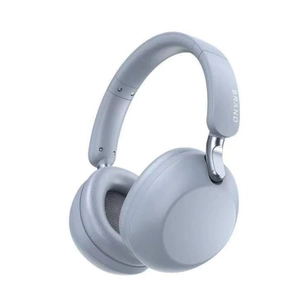
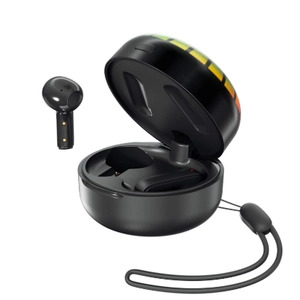
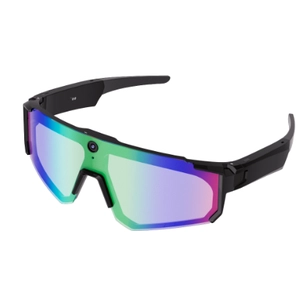
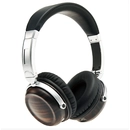
The global headphone market is evolving beyond basic audio functionality. As consumers increasingly value product aesthetics, material quality and personalized listening experiences, premium headphones are attracting attention from audio brands, retailers and distributors. Among emerging design directions, high quality wood headphones offer an interesting combination of natural materials, distinctive appearance and traditional acoustic design.
By combining metal structures with wooden elements, wood headphones create a different visual and tactile experience compared with conventional plastic headphones. For consumer electronics brands and OEM/ODM manufacturers, this product category presents opportunities to explore premium positioning, product differentiation and new customer segments.
1. Industry Trends: The Growing Demand for Premium Audio Experiences
Experience-Driven Consumer Demand
Today's headphone consumers are increasingly interested in more than sound performance alone. Comfort, appearance, materials and everyday usability all influence purchasing decisions. Premium audio products are becoming part of personal lifestyles, reflecting individual preferences and aesthetic choices.
Wooden headphones benefit from this shift because natural wood introduces warmth and texture into electronic product design. Compared with standard plastic models, wood-accented headphones can offer a more distinctive appearance and a stronger premium product identity.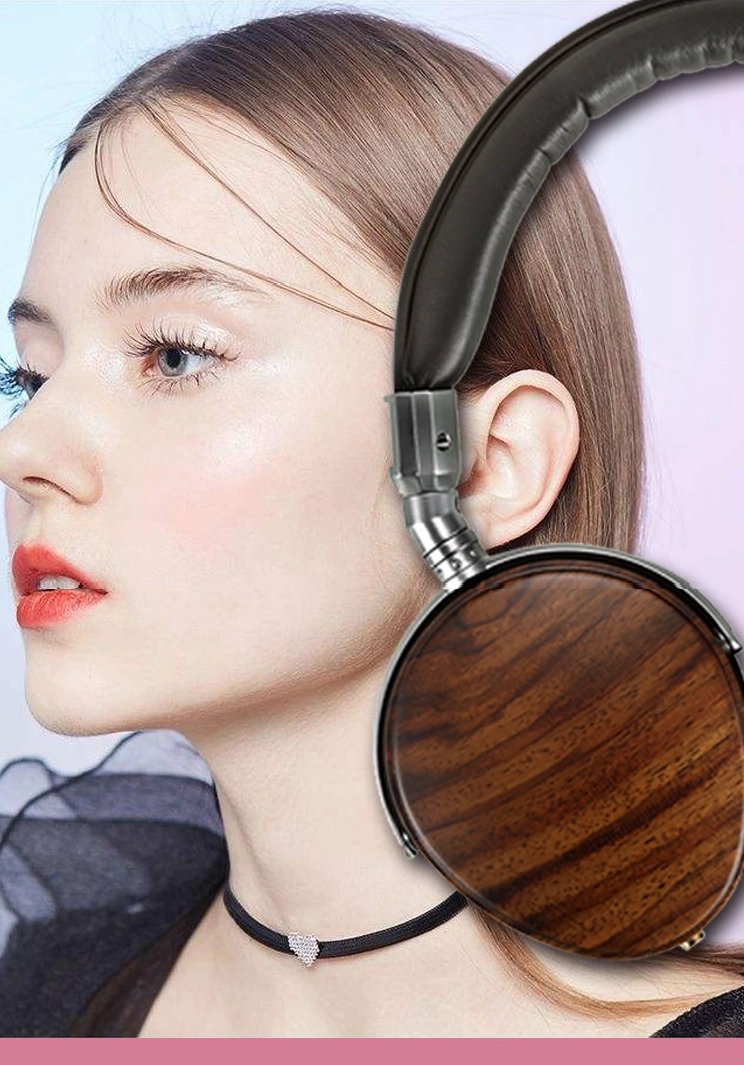
Natural Materials and Industrial Design
Material selection is becoming an important consideration in headphone development. Metal, wood, fabric and other materials are being explored to create differentiated product styles.
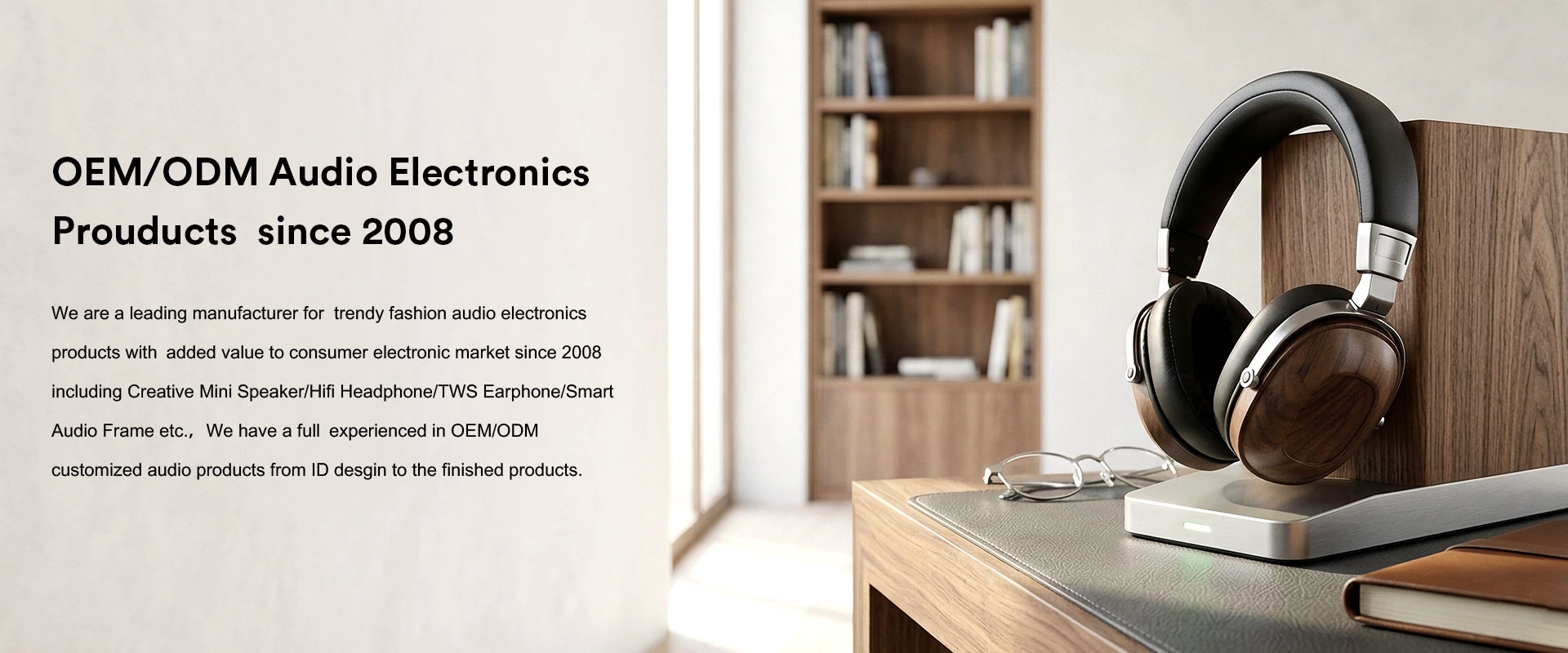
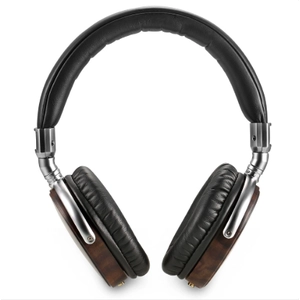
A combination of metal and wood offers a balance between structural support and natural aesthetics. For example, a closed-type, on-ear headphone featuring a 50mm dynamic driver can combine a recognizable traditional headphone structure with a distinctive material design.
This approach allows brands to develop products that appeal to consumers seeking alternatives to mass-market plastic audio accessories.
Social Media and Visual Product Discovery
TikTok, Instagram and YouTube Shorts have changed how consumers discover consumer electronics. Product appearance, unboxing experiences and lifestyle-oriented content increasingly influence purchasing decisions.
Wood headphones offer visual storytelling opportunities through their natural textures, material combinations and premium styling. These characteristics can help brands create more recognizable product content for social media campaigns and online marketplaces.
Global Market Developments
In Europe, Japan, South Korea and Australia, consumers encounter a wide range of audio products across different price segments. Product differentiation, material selection and perceived quality are important considerations when brands develop new headphone collections.
For manufacturers and distributors, premium-oriented designs provide another direction for expanding product portfolios beyond conventional entry-level headphones.
2. Market Pain Points: Challenges Facing the Headphone Industry
Despite continuous product development, the headphone market faces several challenges.
Product Homogeneity: Many conventional headphones share similar plastic housings, colors and structural designs. This makes it difficult for brands to establish a recognizable identity.
Intense Price Competition: Online marketplaces have increased price transparency, making it easier for consumers to compare similar products. Competing primarily through lower prices can reduce profit margins.
Limited Material Innovation: Some product ranges rely heavily on familiar materials and appearance. Without meaningful design differences, products may struggle to attract consumers looking for something distinctive.
Insufficient User Experience: Attractive appearance alone is not enough. Wearing comfort, sound consistency, durability and practical functionality remain essential to customer satisfaction.
Brand Differentiation Difficulties: Retailers and private-label sellers need products that stand out in crowded online and offline markets. Distinctive materials and industrial design can contribute to stronger product positioning.
3. Market Opportunities: Where Wood Headphones Fit
Premium Lifestyle Audio Products
The combination of wood and metal creates opportunities for headphones positioned around natural aesthetics and premium everyday listening. Such products can complement existing wireless speakers, headphones and lifestyle audio collections.
E-Commerce and Content-Driven Sales
Amazon, TikTok Shop and Shopify provide different channels for introducing differentiated headphone products. High-quality product photography, material close-ups, demonstration videos and lifestyle content can help communicate the value of wooden headphone designs.
For cross-border e-commerce sellers, distinctive product appearances can also provide more opportunities for product storytelling and targeted marketing.
Gift and Premium Accessory Markets
Headphones are widely used as personal accessories and practical gifts. Products with distinctive materials and refined appearances can appeal to consumers seeking alternatives to conventional electronic gifts.
Seasonal campaigns, holiday promotions and corporate gifting programs may create additional sales opportunities for premium-oriented audio products.
Private Label and OEM Opportunities
For brands, distributors and retailers, developing a differentiated headphone collection through OEM or ODM cooperation can help address specific market requirements.
Wooden headphone designs offer opportunities for customized branding, packaging, product appearance and market positioning, allowing businesses to build more distinctive product portfolios.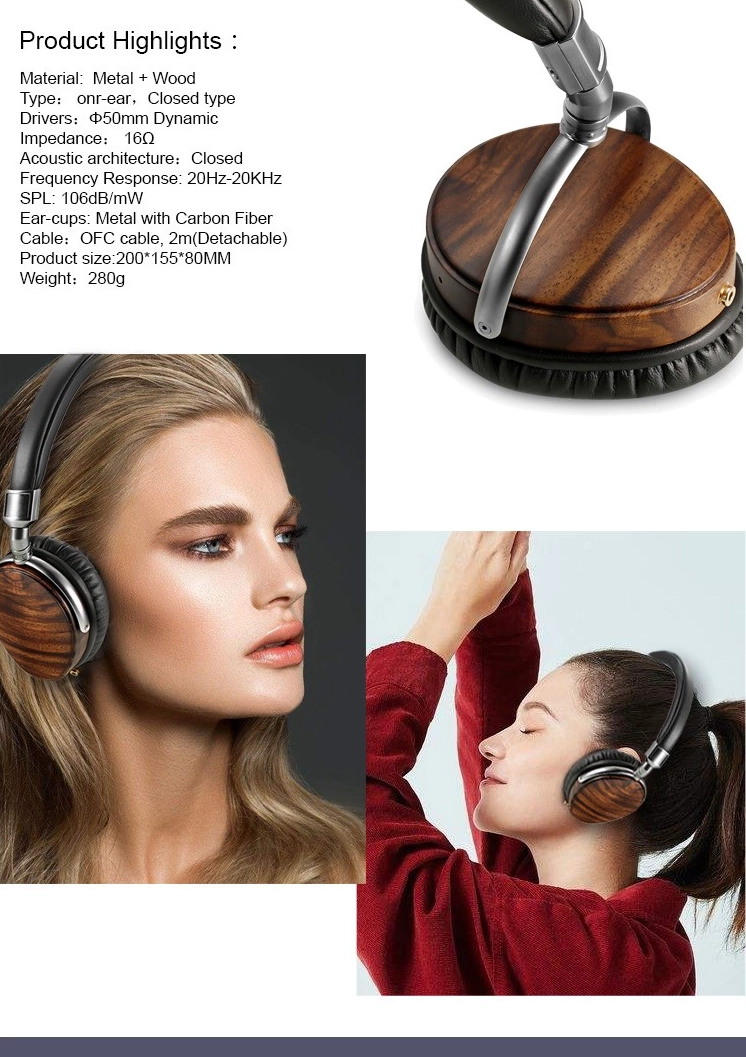
4. Manufacturer Value: Supporting Product Innovation and Global Business
Behind a competitive audio product is a combination of engineering, industrial design and manufacturing capabilities.
Product Research and Development: Manufacturers with integrated R&D capabilities can support product evaluation, structural development, acoustic optimization and prototype testing, helping transform product concepts into commercially viable designs.
Industrial Design and Material Integration: Combining metal and wood requires attention to structural compatibility, material finishing, appearance consistency and manufacturing processes. Design capabilities are important for balancing aesthetics with practical product requirements.
OEM, ODM and Private Label Customization: Flexible development and customization services allow brands to adapt product appearance, branding, packaging and selected specifications to their target markets.
Supply Chain and Cost Management: Stable component sourcing, production planning and quality control help manufacturers maintain product consistency while managing costs and delivery schedules.
Global Market Adaptation: Brands targeting Europe, Japan, South Korea and Australia need to consider different consumer preferences, product requirements, packaging expectations and applicable compliance standards. Manufacturers with international market experience can support this development process.
Since 2008, Jaskey Limited has focused on consumer audio products, integrating product R&D, industrial design and manufacturing. Its product portfolio includes Bluetooth speakers, headphones, audio glasses and smart audio products, serving brands, distributors, retailers and cross-border e-commerce businesses.
5. Conclusion: Building New Possibilities in the Premium Headphone Market
High quality wood headphones represent more than an alternative material choice. They reflect a broader movement toward distinctive product design, premium aesthetics and experience-oriented consumer electronics.
As competition increases across the global headphone market, combining material innovation with reliable acoustic performance and thoughtful industrial design can help brands create more recognizable products.
For audio brands, distributors and retailers, wooden headphones offer an opportunity to explore new product segments and differentiated market positioning. Cooperation with experienced OEM/ODM manufacturers can further support product development, customization and supply chain management.
The future of the headphone industry will not depend on technical specifications alone. Design, materials, user experience and manufacturing capabilities will continue to shape how brands develop competitive audio products for global markets.