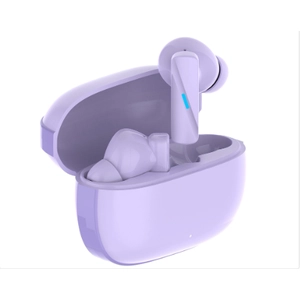
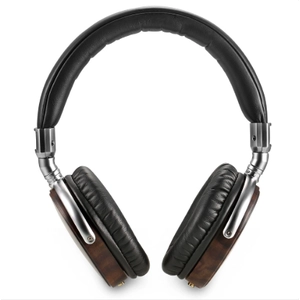
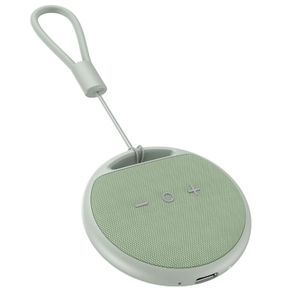
1. Industry Trends: The Growing Demand for Better Wireless Audio Experiences
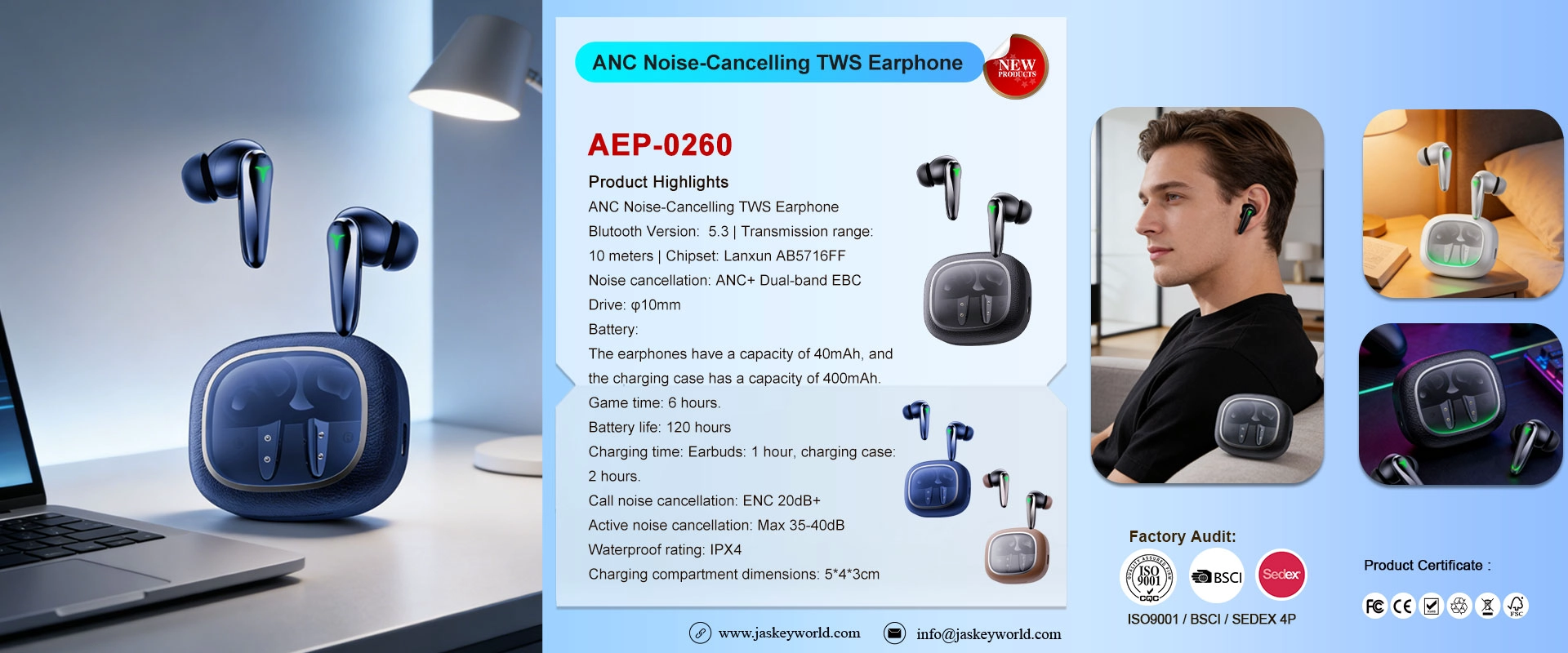
The global wireless headphone market continues to evolve as consumers place greater importance on convenience, sound quality, and personalized listening experiences. Among the various product categories, Active Noise Cancelling (ANC) wireless headphones have gained attention because they help reduce surrounding noise and create a more comfortable listening environment.
Modern consumers increasingly expect headphones to serve multiple purposes throughout the day. Whether commuting, working remotely, studying, traveling, or relaxing at home, users want audio products that fit naturally into different lifestyles. This shift from basic functionality to experience-driven consumption is encouraging brands to develop more versatile wireless headphone solutions.
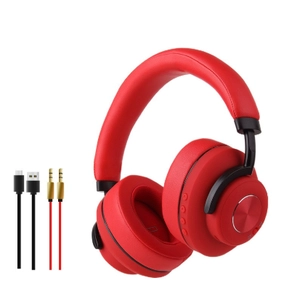
Product design is also evolving. Portable structures, lightweight materials, comfortable ear cushions, and intuitive controls are becoming important purchasing considerations. Bluetooth connectivity remains essential, while additional functions such as AUX input, Micro SD playback, NFC pairing, and USB Type-C charging provide greater flexibility for different usage scenarios.
Social media is another factor influencing the market. Platforms such as TikTok and other short-video channels allow consumers to discover audio products through product demonstrations, lifestyle content, and influencer recommendations. Headphones that combine practical functions with attractive designs and clear user benefits can gain additional exposure through these channels.
Global market preferences also vary. European consumers often consider product quality, comfort, sustainability, and regulatory compliance. Japanese and South Korean markets place strong emphasis on product design, usability, and technological details, while Australian consumers value practical features and everyday versatility. These differences create opportunities for headphone brands to develop products tailored to specific markets.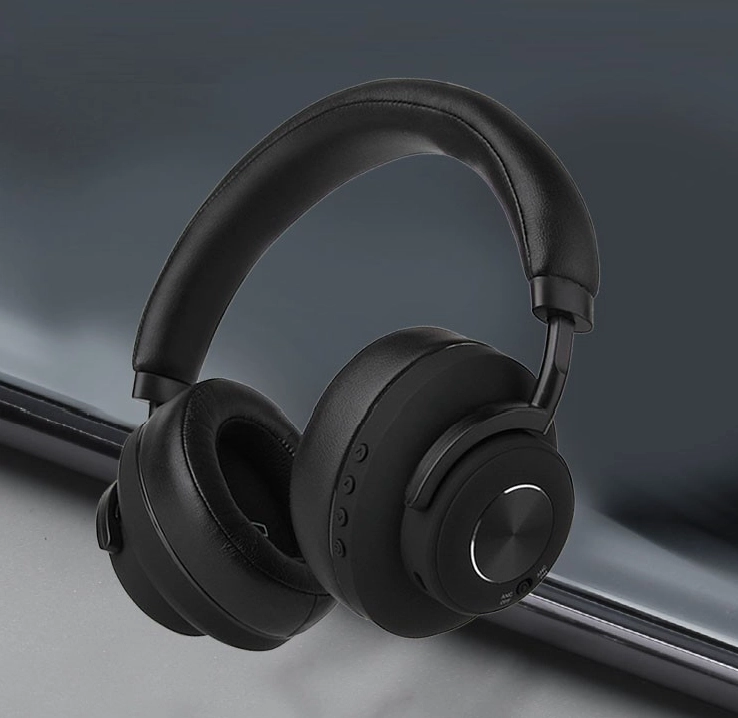
2. Market Pain Points: Competition Beyond Price
Despite the growing demand for wireless audio products, the headphone industry faces several challenges.
Product Homogenization: Many wireless headphones share similar appearances, materials, and basic Bluetooth functions. Without meaningful differentiation, products can become difficult for consumers to distinguish.
Intense Price Competition: Online marketplaces have made price comparisons easier than ever. Competing primarily through lower prices can reduce profit margins for brands, distributors, and retailers.
Limited Product Innovation: Some products focus heavily on technical specifications without addressing real consumer needs. For example, noise reduction performance, wearing comfort, battery capacity, and connection stability all influence the overall listening experience.
Insufficient User Experience: ANC performance alone does not determine product satisfaction. Headphone weight, ear cushion materials, control accessibility, connectivity, and battery management also affect daily usability.
Brand Differentiation Challenges: For emerging audio brands and private-label sellers, building a recognizable product identity is increasingly difficult. Simply introducing another standard Bluetooth headphone may not be enough to establish a competitive position.
These challenges indicate that successful headphone businesses need to balance product functionality, industrial design, quality management, and market positioning rather than relying exclusively on pricing strategies.
3. Market Opportunities: New Directions for ANC Wireless Headphones
The development of ANC wireless headphones creates opportunities across multiple sales channels and customer segments.
Lifestyle-Driven Audio Products
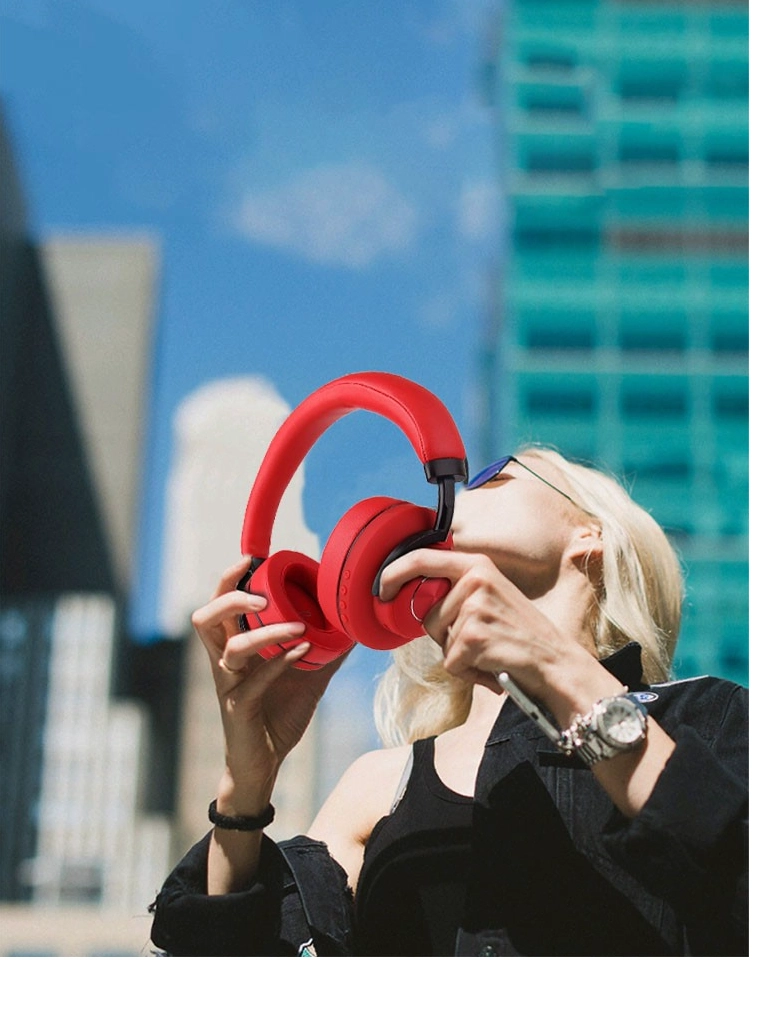
Consumers are looking for headphones suitable for commuting, office work, travel, online learning, and entertainment. This creates demand for products that combine noise reduction, wireless connectivity, comfortable materials, and convenient operation.
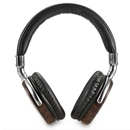
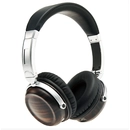
Models featuring ABS plastic construction, PU ear cushions, Bluetooth connectivity, and adjustable listening functions can address different consumer preferences and price segments.
Social Media and Short-Video Commerce
TikTok and other short-video platforms have changed how consumers discover electronic products. Demonstrations showing noise reduction scenarios, product design, portability, and everyday applications can help potential buyers understand product benefits quickly.
For brands, this creates opportunities to introduce differentiated headphone collections through content-driven marketing and direct-to-consumer channels.
E-commerce and Global Distribution
Amazon, TikTok Shop, and Shopify provide accessible sales channels for audio brands and cross-border e-commerce businesses. ANC wireless headphones can be positioned across different market segments through product differentiation, packaging customization, and targeted marketing.
Distributors and retailers can also expand their audio product portfolios by offering models with different feature combinations and price positioning.
Private Label and OEM Opportunities
Private-label audio products offer opportunities for businesses seeking to establish their own brands without building manufacturing facilities. OEM and ODM cooperation allows companies to select existing product platforms, customize branding and packaging, or participate in product development.
Seasonal promotions, travel-related purchasing, back-to-school campaigns, and holiday gifting also provide additional opportunities for wireless headphone collections.
 4. Manufacturer Value: Supporting Product Development and Global Markets
As the wireless audio industry becomes more competitive, the capabilities of OEM/ODM manufacturers play an increasingly important role in product development and commercial success.
Product Research and Development
Manufacturers with dedicated R&D teams can evaluate market requirements, optimize product structures, and develop audio solutions based on different customer needs. Efficient development processes also help brands respond to changing market trends and shorten product launch cycles.
Industrial Design and Product Innovation
Industrial design influences both product appearance and user experience. Material selection, headphone structure, wearing comfort, button placement, and overall styling all contribute to product differentiation. Manufacturers that integrate design and engineering capabilities can translate market ideas into commercially viable products.
OEM, ODM, and Private Label Customization
Different customers require different cooperation models. OEM services generally focus on manufacturing according to customer specifications, while ODM services can involve product design and development. Private-label solutions may include logo printing, customized packaging, and product configuration adjustments.
These options provide flexibility for established brands, distributors, retailers, and emerging e-commerce businesses.
Supply Chain Stability and Cost Management
Reliable component sourcing, production planning, quality control, and manufacturing efficiency are essential for maintaining consistent product quality and delivery schedules. Integrated supply chain management also helps manufacturers balance product performance with target costs.
Adaptation to Global Markets
Manufacturers serving Europe, Japan, South Korea, and Australia need to understand different market expectations, product requirements, and applicable compliance standards. Appropriate certification planning, product documentation, packaging adaptation, and quality management can support smoother international business operations.
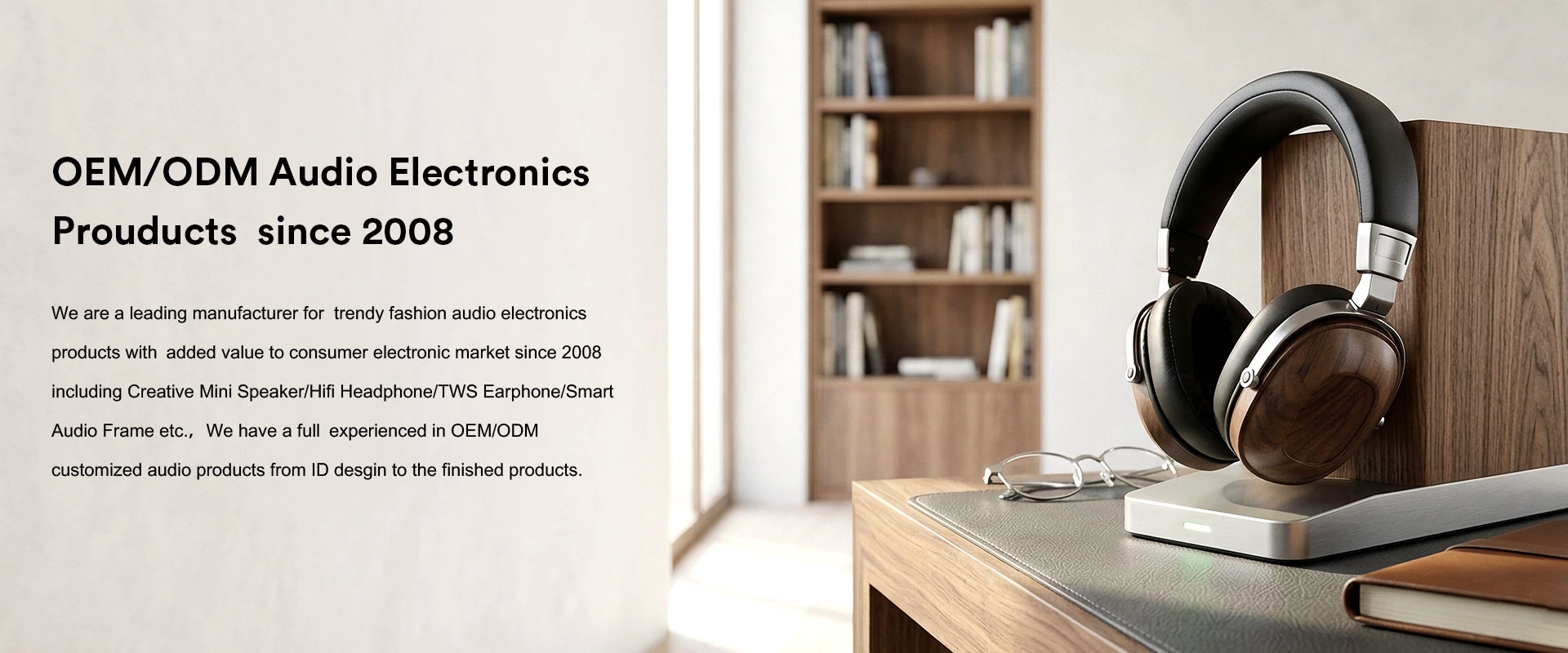
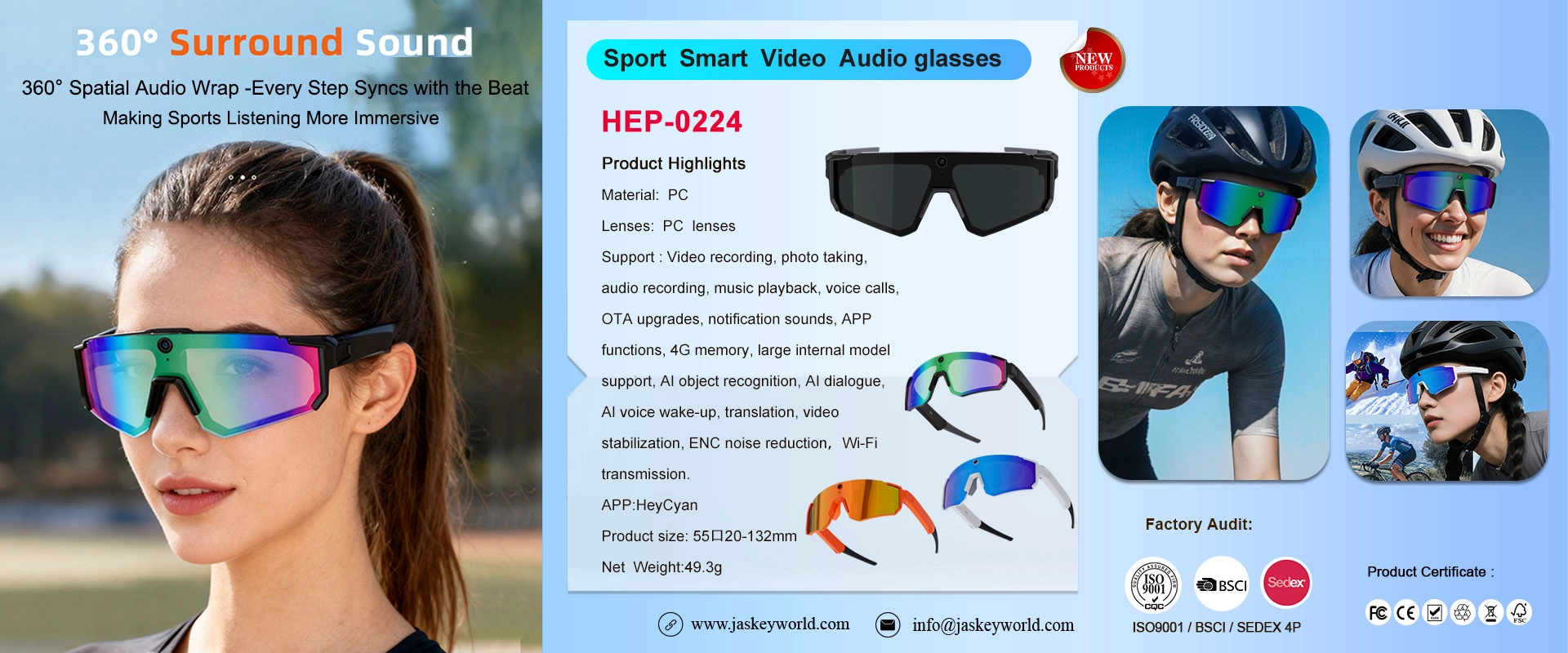
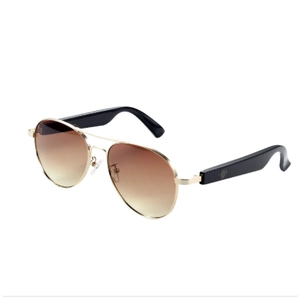
Since 2008, Jaskey Limited has focused on consumer electronics manufacturing, covering Bluetooth speakers, headphones, audio glasses, and smart audio products. Its capabilities across product R&D, industrial design, production, and global supply chain management support different OEM/ODM cooperation requirements.
5. Conclusion: Building the Next Generation of Wireless Audio Products
The ANC wireless headphone market is developing beyond basic noise reduction and Bluetooth connectivity. Consumer expectations increasingly involve comfort, versatile functionality, attractive design, and products that fit different lifestyles.
For brands, distributors, and retailers, the opportunity lies in identifying specific consumer needs and building differentiated product portfolios rather than competing solely on price.
For manufacturers, continuous product development, industrial design, customization capabilities, and reliable supply chains remain important factors in supporting long-term business growth.
As global demand for wireless audio products continues to evolve, cooperation between audio brands and experienced OEM/ODM manufacturers can create opportunities for new product development, private-label expansion, and distribution partnerships.