












Camera development

Home > News > Product News  > Camera development

Latest News

Global Bone Conduction Swimming Headphone Market Trends in 2026: How Consumer Demand Is Reshaping the Open-Ear Audio Industry

Global Bone Conduction Swimming Headphone Market Trends in 2026: How Consumer Demand Is Reshaping the Open-Ear Audio Industry

2026-06-02 13:32:28

Open-ear bone conduction swimming headphones are gaining popularity worldwide as consumers seek safer, more comfortable audio solutions for sports and outdoor activities. Combining open-ear listening, waterproof performance, and versatile functionality, this product category is becoming an important growth segment in the global wearable audio market.

China Cube Bird Dancing Speaker: How Interactive Audio Products Are Reshaping Consumer Electronics Demand in 2026

China Cube Bird Dancing Speaker: How Interactive Audio Products Are Reshaping Consumer Electronics Demand in 2026

2026-06-01 12:21:49

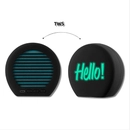
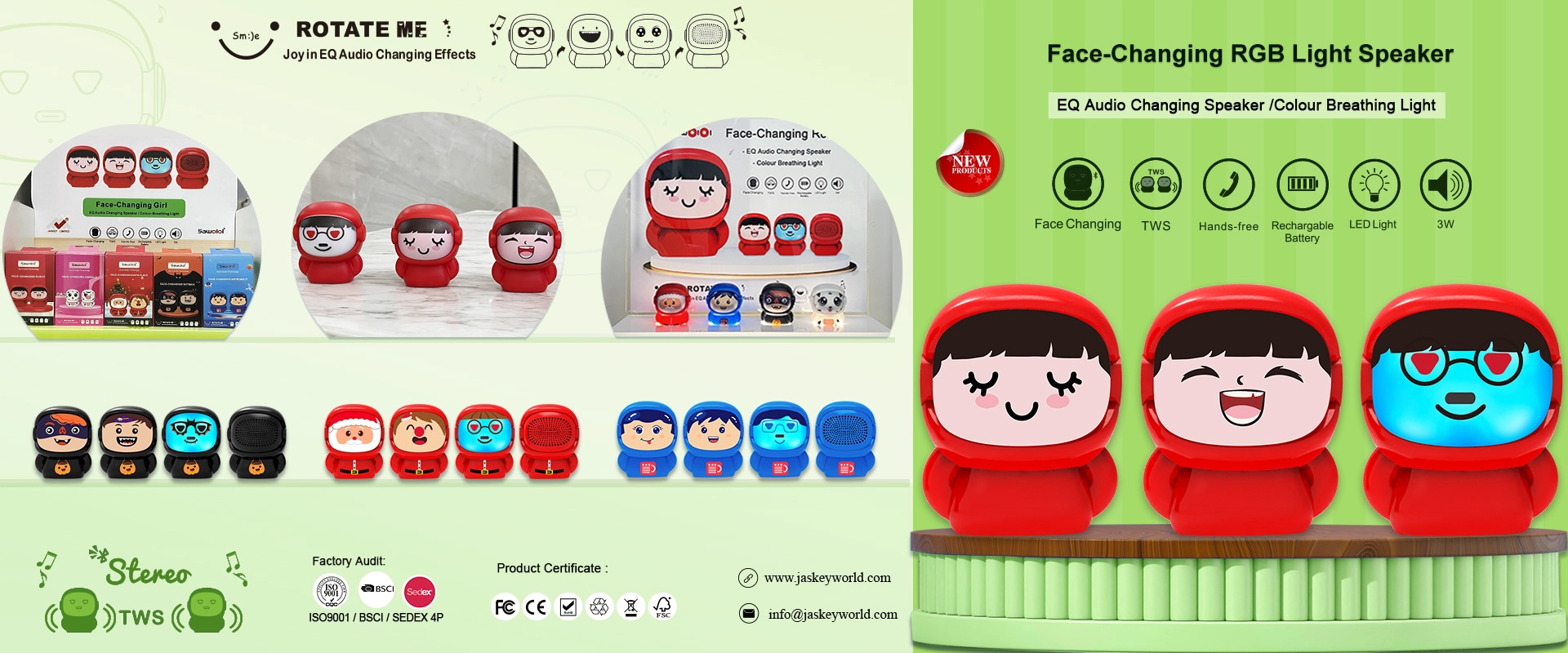
The Cube Bird Dancing Speaker combines creative design with Bluetooth 5.4 technology, TWS pairing, and hands-free calling in a compact, entertaining format. Designed for today's lifestyle electronics market, it offers a fun audio experience while helping retailers and e-commerce sellers differentiate their product offerings. Its unique dancing bird design makes it ideal for gift, gadget, and consumer electronics markets.

China ANC Noise-Cancelling TWS Earphone Market Trends: Global Consumer Demand Continues to Upgrade

China ANC Noise-Cancelling TWS Earphone Market Trends: Global Consumer Demand Continues to Upgrade

2026-05-19 14:01:47

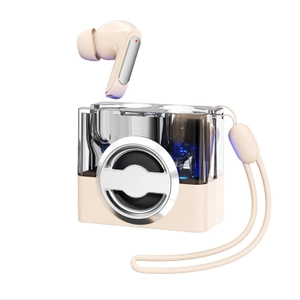
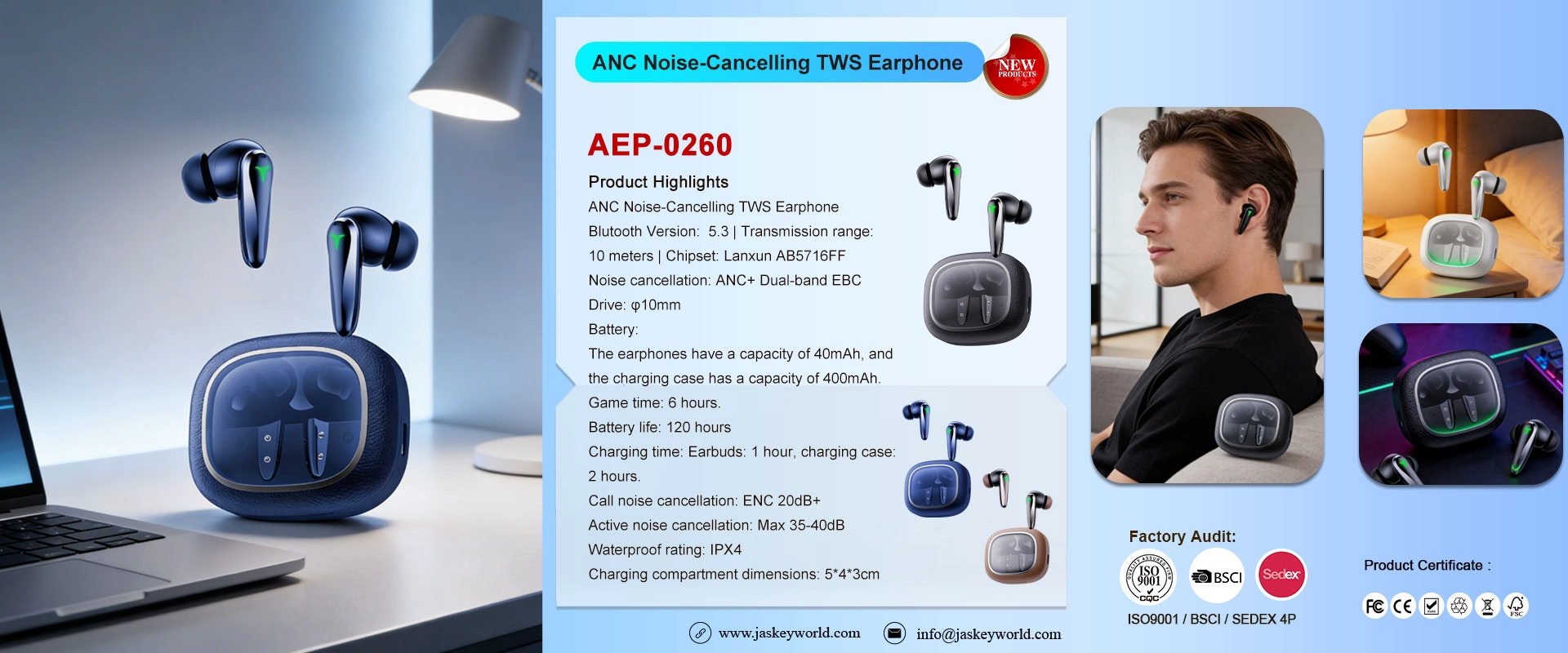
The ANC TWS earphone market is growing fast as consumers demand better sound quality, noise cancellation, and smarter features. China remains a key global OEM/ODM hub, supporting worldwide brands with cost-effective and customizable wireless audio solutions.

China  HiFi Headphones Industry Outlook: Global Market Trends and Demand Evolution

China HiFi Headphones Industry Outlook: Global Market Trends and Demand Evolution

2026-05-18 10:37:41

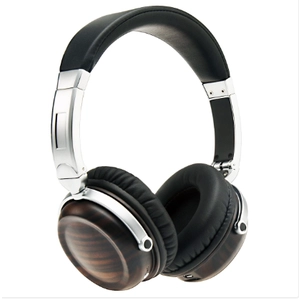
The HiFi headphones market is rapidly evolving as consumers demand better sound quality, comfort, and lifestyle-driven design. High Quality HiFi Headphones are now widely used in work, travel, gaming, and daily entertainment, making them a mainstream audio product. With improved streaming quality and wireless technology, buyers focus more on acoustic performance, materials, and brand identity. This shift is creating strong global opportunities for China OEM/ODM manufacturers to deliver innovative and cost-effective HiFi headphone solutions.

China Waterproof Portable Bluetooth Speakers: A Growing Opportunity in the Outdoor Audio Market

China Waterproof Portable Bluetooth Speakers: A Growing Opportunity in the Outdoor Audio Market

2026-05-16 11:26:25

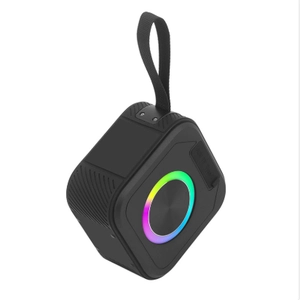
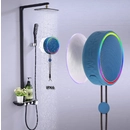
Designed for modern outdoor lifestyles, this China Waterproof Portable Bluetooth Speaker combines durability, portability, and high-quality wireless audio in one compact device. Featuring IPX67 waterproof and dustproof protection, Bluetooth 5.3 connectivity, TWS interconnection, and up to 10 hours of playtime, it is ideal for camping, travel, beach activities, home entertainment, and outdoor sports. With its portable design, stable wireless performance, and strong market appeal, this waterproof Bluetooth speaker offers retailers and e-commerce sellers an excellent opportunity to expand their outdoor consumer electronics product line.

17 Years of Acoustic Excellence: Why Your Brand Deserves a Specialized ODM Partner

17 Years of Acoustic Excellence: Why Your Brand Deserves a Specialized ODM Partner

2026-05-15 10:48:16

A professional OEM and ODM audio manufacturer in China with over 17 years of experience in acoustic engineering and product development. We specialize in waterproof portable Bluetooth speakers, TWS headphones, and smart audio solutions for global brands. With strong in-house R&D, industrial design capabilities, and full production support, we provide customized audio products for clients across Europe, Japan, Korea, and Australia, helping brands bring innovative and market-ready audio products to life.

Global Sports Smart Audio Glasses Market Trends: New Growth Opportunities for Consumer Electronics Buyers

Global Sports Smart Audio Glasses Market Trends: New Growth Opportunities for Consumer Electronics Buyers

2026-05-14 11:09:42

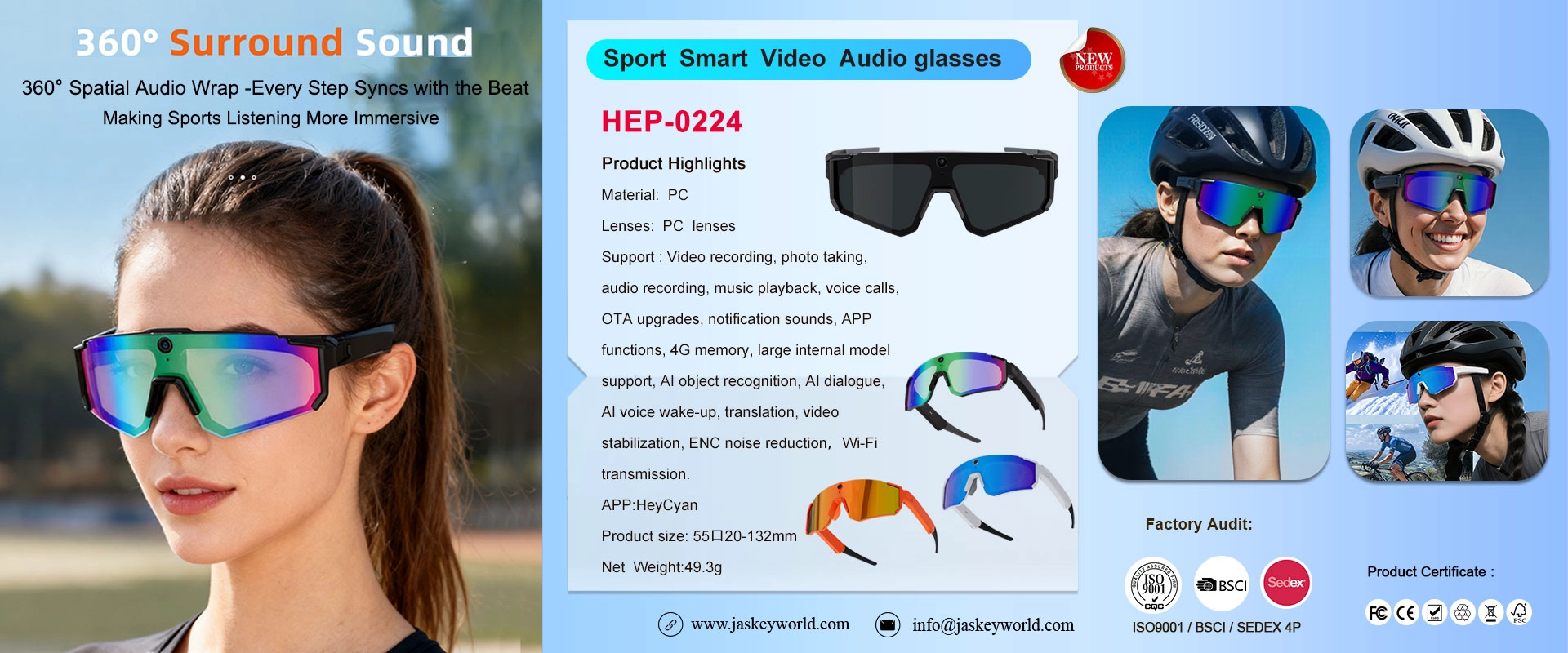
Sports smart audio glasses are becoming a fast-growing trend in the global wearable electronics market. Combining Bluetooth audio, voice calls, AI functions, and outdoor sports design, they offer consumers a more convenient and immersive open-ear listening experience. Driven by cycling, fitness, and smart lifestyle trends, audio eyewear is creating new opportunities for retailers, wholesalers, and consumer electronics buyers worldwide.

China Creative Audio Market Opportunity: Why Dancing Bluetooth Speakers Are Becoming the Next Retail Growth Trend

China Creative Audio Market Opportunity: Why Dancing Bluetooth Speakers Are Becoming the Next Retail Growth Trend

2026-05-13 09:56:01

The Dancing Animals Speaker is a creative Bluetooth audio product designed for today’s fast-growing lifestyle electronics market. Combining fun animated character styling with wireless audio functionality, this compact speaker delivers an engaging user experience that helps retailers and online sellers stand out in competitive markets. Featuring Bluetooth connectivity, TWS wireless pairing, hands-free calling, and a portable lightweight design, it is ideal for desk entertainment, travel, gift retail, and social media-driven sales channels. With multi-color customization options and strong visual appeal, the Dancing Animals Speaker offers excellent market opportunity for OEM/ODM projects, promotional campaigns, and consumer electronics retail growth.

China Clock Bluetooth Speaker Manufacturer: A New Market Opportunity in Smart Lifestyle Audio

China Clock Bluetooth Speaker Manufacturer: A New Market Opportunity in Smart Lifestyle Audio

2026-05-12 10:37:51

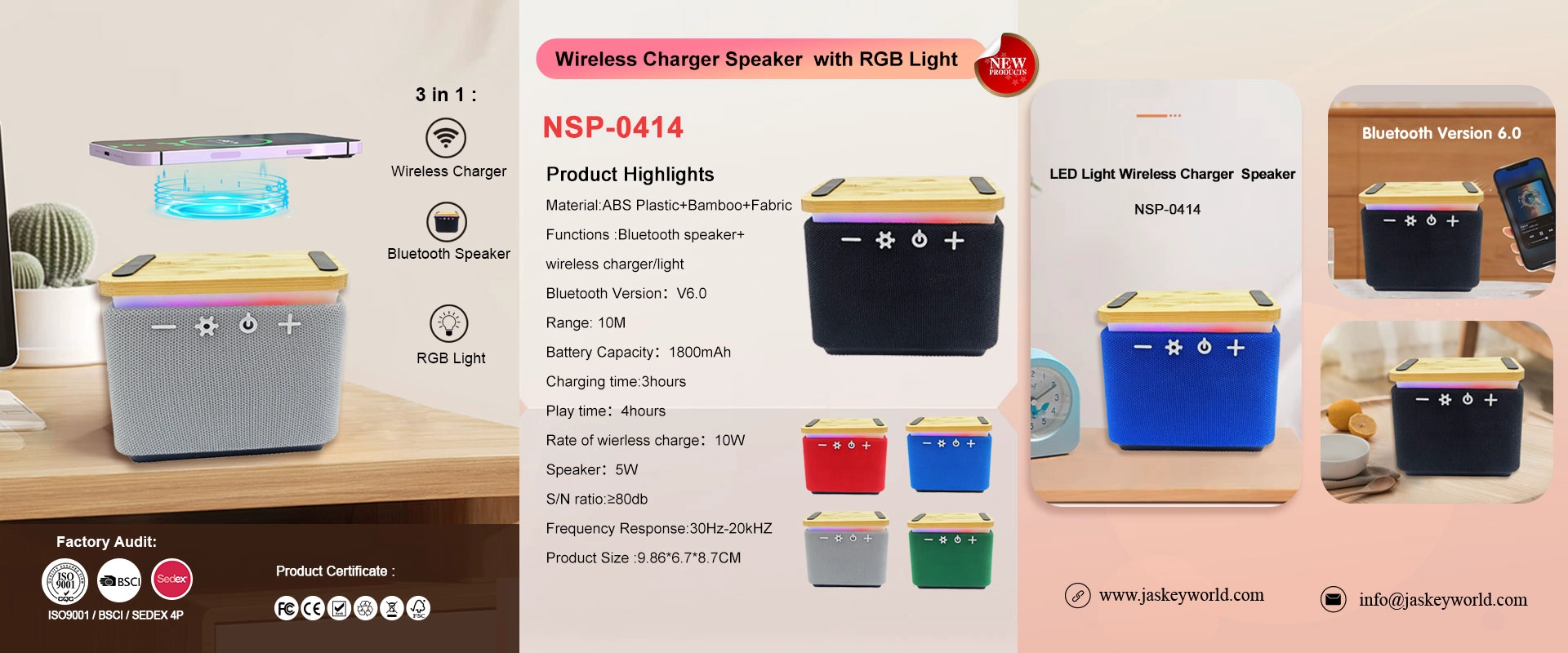
The Clock Bluetooth Speaker with Wireless Charger is a multifunctional smart audio product designed for modern lifestyle markets. Combining Bluetooth speaker, wireless charging, ambient night light, and stylish clock design in one compact device, it delivers both convenience and premium desktop aesthetics. Ideal for office desks, bedrooms, travel, and gift markets, this smart speaker helps consumers simplify daily life while enjoying wireless music and fast charging. With fashionable design and practical functionality, it offers strong retail appeal and excellent market potential for consumer electronics retailers, wholesalers, and gift companies. Backed by 17+ years of OEM/ODM manufacturing experience, we provide reliable product development, stable supply chain support, and customized solutions for global partners.

China Manufacturer Hearing Aid TWS Waterproof Headphones: Unlock Retail Growth and Market Opportunity

China Manufacturer Hearing Aid TWS Waterproof Headphones: Unlock Retail Growth and Market Opportunity

2026-05-11 11:23:23

Our China Manufacturer Hearing Aid TWS Waterproof Headphones are the ultimate growth driver for retailers, wholesalers, and gift companies. Blending dual functionality (high-quality Bluetooth audio + hearing assistance) with IPX5 waterproofing and reliable performance, this product helps you differentiate from competitors, tap into the booming accessible audio trend, and unlock higher profit margins in key markets like Europe, Japan, Korea, and Australia—backed by our 17+ years of audio manufacturing expertise and OEM/ODM capabilities.

Contact us

phone. Number: 0086-755-82239330-808
Email address: info@jaskeyworld.com
Office address: 4th Floor, Building 1, Xingji Center, Danzhutou Industrial Zone, Longgang District, Shenzhen

Camera development

2022-01-07 12:02:46
The earliest cameras had a very simple structure, including only a camera obscura, lens and photosensitive materials. Modern cameras are more complex, with lens, aperture, shutter, distance measurement, viewfinder, light metering, film transport, counting, Selfie, focus, zoom and other systems. Modern cameras are a combination of optics, precision machinery, electronic technology and chemistry. Complex products.
In 1550, Cardano of Italy placed the biconvex lens at the original pinhole position, and the image effect was brighter and clearer than the dark box.
In 1558, Barbaro of Italy added an aperture to Cardano's device, which greatly improved the image clarity; in 1665, the German monk John Zhang designed and produced a small portable single-lens reflex imaging camera obscura Because there were no photosensitive materials at that time, this kind of dark box could only be used for painting.
In 1822, Niepce of France produced the world's first photo on photosensitive material, but the image was not clear and required eight hours of exposure. In 1826, he took another photo through a black box on a tin substrate coated with photosensitive asphalt.
In 1839, France’s Daguerre made the first practical silver version of the camera. It was composed of two wooden boxes. One wooden box was inserted into the other for focusing, and the lens cap was used as a shutter. Control up to 30 minutes of exposure time, can shoot clear images.
In 1841, the optician Vogeland invented the first all-metal camera. The camera is equipped with the world's first photographic lens designed by mathematical calculations with a maximum phase aperture of 1:3.4.
In 1845, German von Martens invented the world's first turning machine that could pan 150°. In 1849, David Bruster invented a stereo camera and a dual-lens stereo viewer. In 1861, physicist Maxwell invented the world's first color photograph.
In 1860, the British Sutton designed the original single-lens reflex camera with a rotatable mirror viewfinder; in 1862, the French Detrie stacked two cameras together, one for viewing and the other for taking pictures. It constitutes the original form of a dual-lens camera; in 1880, the British Baker made a dual-lens reflex camera.
In 1866, German chemist Schott and optician Aju invented barium crown optical glass at Zeiss, which produced a positive light photographic lens, which enabled the rapid development of the design and manufacture of photographic lenses.
With the development of photosensitive materials, in 1871, a dry plate coated with silver bromide photosensitive material appeared, and in 1884, a film using nitrocellulose (celluloid) as a substrate appeared. In 1888, the Kodak Company of the United States produced a new type of photosensitive material-a soft, windable "film". This is a leap forward for photosensitive materials. In the same year, Kodak invented the world's first portable box camera with film installed.
In 1906, American George Silas used a flashlight for the first time. In 1913, the German Oscar Barnack developed the world's first 135 camera.
From 1839 to 1924, in the first stage of the camera development, some novel button-shaped and pistol-shaped cameras also appeared.
From 1925 to 1938 was the second stage of camera development. During this period of time, German companies such as Leitz (the predecessor of Leica), Rollei, and Zeiss developed and produced dual-lens and single-lens reflex cameras with a small size and aluminum alloy body.
With the advent of magnification technology and microfilm, the quality of the lens has improved accordingly. In 1902, Rudolf of Germany made use of the three-level aberration theory established by Seidel in 1855 and Abbe's successful high-refractive-index and low-dispersion optical glass in 1881 to make the famous "Tianstop" lens. The reduction of various aberrations greatly improves the image quality. On this basis, in 1913, Barnack in Germany designed and produced a small Leica camera with 35 mm film with small holes in the negative-Leica single-lens rangefinder camera.
However, 35mm cameras of this period all used see-through optical rangefinder viewfinders without rangefinders.
In 1931, the German Contex camera was equipped with a dual-image coincidence rangefinder using the principle of triangular rangefinder, which improved the accuracy of focusing, and first adopted an aluminum alloy die-cast body and a metal curtain shutter.
In 1935, the Exakto single-lens reflex camera appeared in Germany, which made focusing and changing lenses more convenient. In order to make the camera exposure accurate, Kodak cameras began to use selenium photocell exposure meters in 1938. In 1947, Germany began to produce the Contex S-shaped roof pentaprism single-lens reflex camera, so that the viewfinder image was no longer upside down, and the top view was changed to head-up focusing and viewfinder to make photography more convenient.
In 1956, the Federal Republic of Germany first produced an electric eye camera that automatically controlled exposure; after 1960, cameras began to use electronic technology, and a variety of automatic exposure modes and electronic program shutters appeared; after 1975, camera operations began to be automated.
Before the 1950s, Japanese camera production was mainly based on the introduction of German technology and imitating it. For example, in 1936, Canon imitated the 35mm rangefinder camera with the L39 interface according to the Leica camera. Nikon only imitated Contex in 1948. Out of the rangefinder camera.
PENTAX's predecessor, Asahi Optical Industry Co., Ltd. began to produce lenses in 1923. With the expansion of the Japanese war of aggression, the Japanese military's demand for optical instruments has increased sharply. Japanese optical instrument factories such as Nikon, Pentax and Canon have received a large number of military orders. The Japanese invaders produced telescopes, theodolites, aircraft optical sights, sights, optical rangefinders, and other military optical instruments. With the end of the war, these military orders were no longer available. After the war, military industrial enterprises had to turn to the production of civilian goods for survival. Optical instrument manufacturers Nikon, Canon, and Pentax all started camera production.
In 1952, Pentax introduced German technology and introduced the German "PENTAX" brand to produce the first camera of "Asahi Optics". In 1954, Japan's first single-lens reflex camera was manufactured by Asahi Optics-Pentax Company. As a rising star of Japanese cameras in 1957, Japan's first Wuling mirror optical framing SLR camera was produced. Since then, Minolta, Nikon, Mamiya, Canon, Ricoh and other companies have rushed to imitate and improve SLR cameras and lens technology, which promoted the development of civilian camera technology in Japan. The focus of world SLR camera technology has gradually shifted from Germany to Japan.
In 1960, Pentax introduced the PENTAX SP camera, pioneering the camera's TTL automatic light metering technology.
In 1971, Pentax’s SMC coating technology applied for a patent, and applied SMC technology to develop and produce an SMC lens, which greatly improved the color reproduction and brightness of the lens, as well as the elimination of flare and ghosting, thereby significantly improving the lens. quality. Thanks to the SMC technology, the optical quality of Pentax lenses has been greatly improved since then, and many Pentax lenses have been praised by professional photographers, even surpassing the top German Zeiss lens, achieving the temporary glory of Pentax cameras. (SMC is the abbreviation of English Super-Multi Coating, which means super multi-layer coating technology. Using this technology, the single reflection rate of light between the lenses in the lens can be reduced from 5% to 0.96-0.98%. The light transmittance is as high as 96% or more.) Although almost all camera lenses produced by manufacturers claim to use SMC technology, actual measurements have proved that the best at this point is the Pentax lens.
In 1969, the CCD chip was used as a camera photosensitive material in the camera mounted on the American Apollo moon landing spacecraft, laying the technical foundation for the electronicization of photographic photosensitive materials.
In 1981, after years of research, Sony produced the world's first video camera using CCD electronic sensors as photosensitive materials, laying the foundation for electronic sensors to replace film. Immediately afterwards, Panasonic, Copal, Fuji, and some electronic chip manufacturers in the United States and Europe have invested in the technical research and development of CCD chips, laying the technical foundation for the development of digital cameras. In 1987, a camera using CMOS chip as photosensitive material was born in Casio

Recommended for you