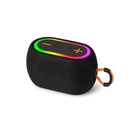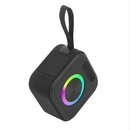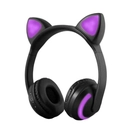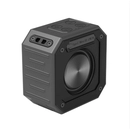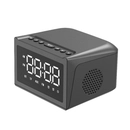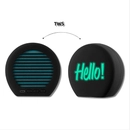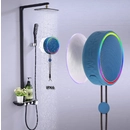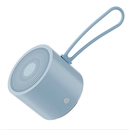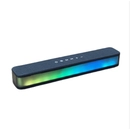












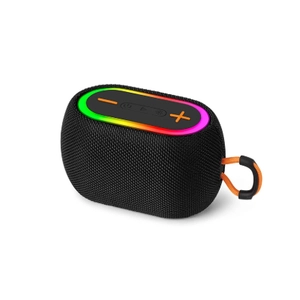
The Portable LED Speaker combines 8W audio output, Bluetooth 5.3 connectivity, and colorful LED lighting in a stylish ABS plastic and fabric design. Supporting Bluetooth, TF card, USB, AUX, FM radio, and TWS connectivity, it offers versatile music playback for home entertainment, outdoor gatherings, travel, and everyday listening. Powered by a 1200mAh rechargeable battery with approximately 4–5 hours of playback, this multifunctional speaker is an ideal choice for retailers, wholesalers, and brands seeking competitive portable audio products. Jaskey Limited provides OEM/ODM customization services to support branding, product development, and wholesale cooperation.
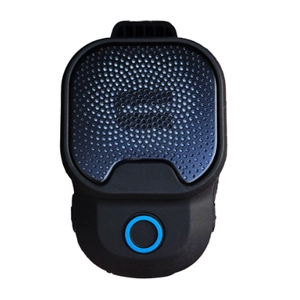
Discover the latest wearable Bluetooth speaker designed for portable, hands-free listening. Featuring Bluetooth 5.4, a 4W speaker driver, clip-on design, TWS interconnection, hands-free calling, and USB-C charging, it offers a practical audio solution for outdoor activities, cycling, travel, and everyday use. With OEM/ODM and private label customization options, it is suitable for brands, distributors, retailers, and e-commerce sellers looking to expand their portable audio product ranges.
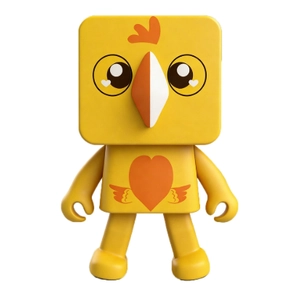
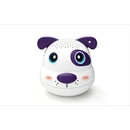
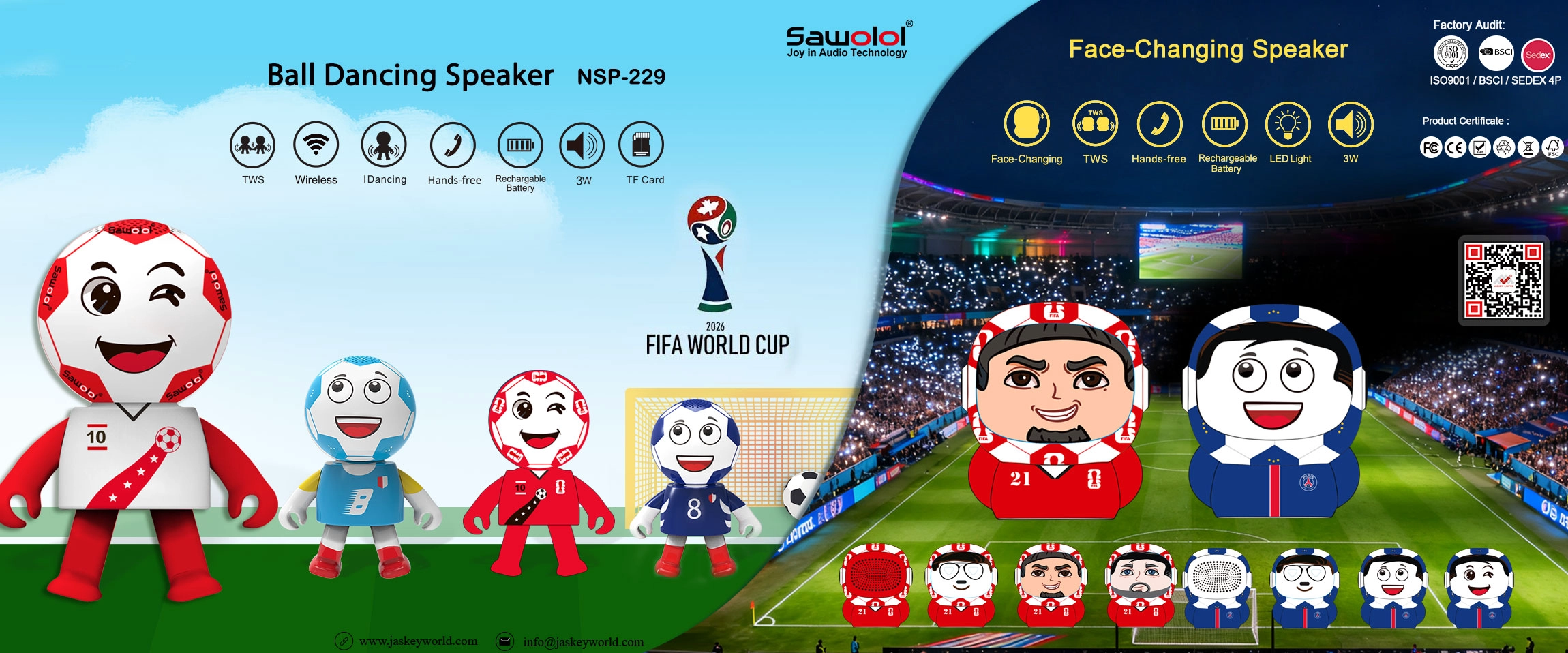
The Cube Bird Dancing Speaker is a creative Bluetooth speaker that combines a playful bird-inspired design with practical audio features. Equipped with Bluetooth 5.4, hands-free calling, TWS wireless connectivity and a 3W speaker, it delivers convenient wireless entertainment in a compact design. With up to 4 hours of working time, it is suitable for home, desktop use, parties and gift collections. Ideal for retailers, wholesalers and consumer electronics brands, this novelty speaker offers opportunities for product differentiation, seasonal promotions and OEM/ODM customization.
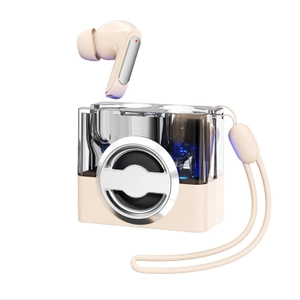
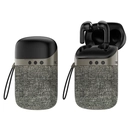
The 2-in-1 Bluetooth Speaker with TWS Earphones combines a portable wireless speaker and true wireless earbuds in one convenient design. Featuring Bluetooth 5.3, a 5W speaker, F13 copper ring earbud drivers, and a 10–15m transmission range, it offers flexible listening for home, office, travel, and everyday entertainment. The earbuds provide approximately 4–5 hours of playback, while the speaker delivers 2–3 hours of music. Made from ABS plastic and silicone, this versatile audio product is ideal for consumer electronics brands, retailers, and gift markets seeking innovative wireless audio solutions.
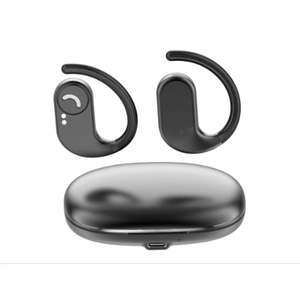
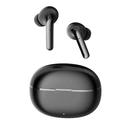
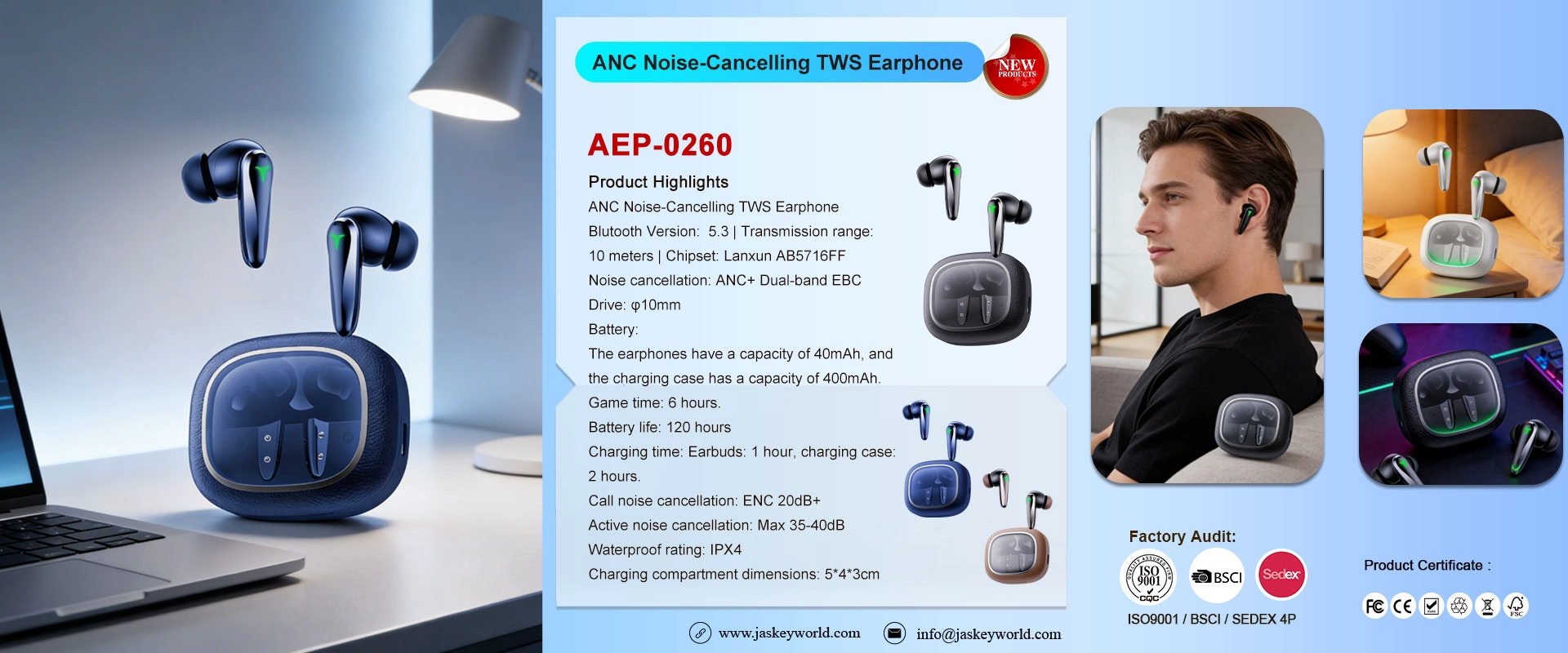
The Sport TWS Earphone features Bluetooth 5.4 connectivity, a compact charging case, and a lightweight ABS plastic design for convenient everyday wireless listening. With a transmission range of up to 10 meters, 2.5–4 hours of playback time, and a 200mAh charging case, it is suitable for commuting, leisure, and daily use. Jaskey Limited offers OEM/ODM cooperation opportunities for brands, wholesalers, importers, and retailers seeking reliable wireless audio products from an experienced China consumer electronics manufacturer.
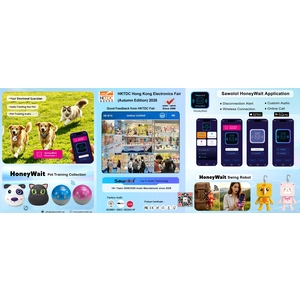
Thanks for visiting our booth in Hong Kong Electronic 2026 Fair (Autumn Edition)
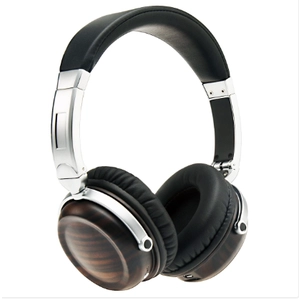
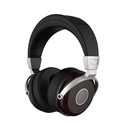
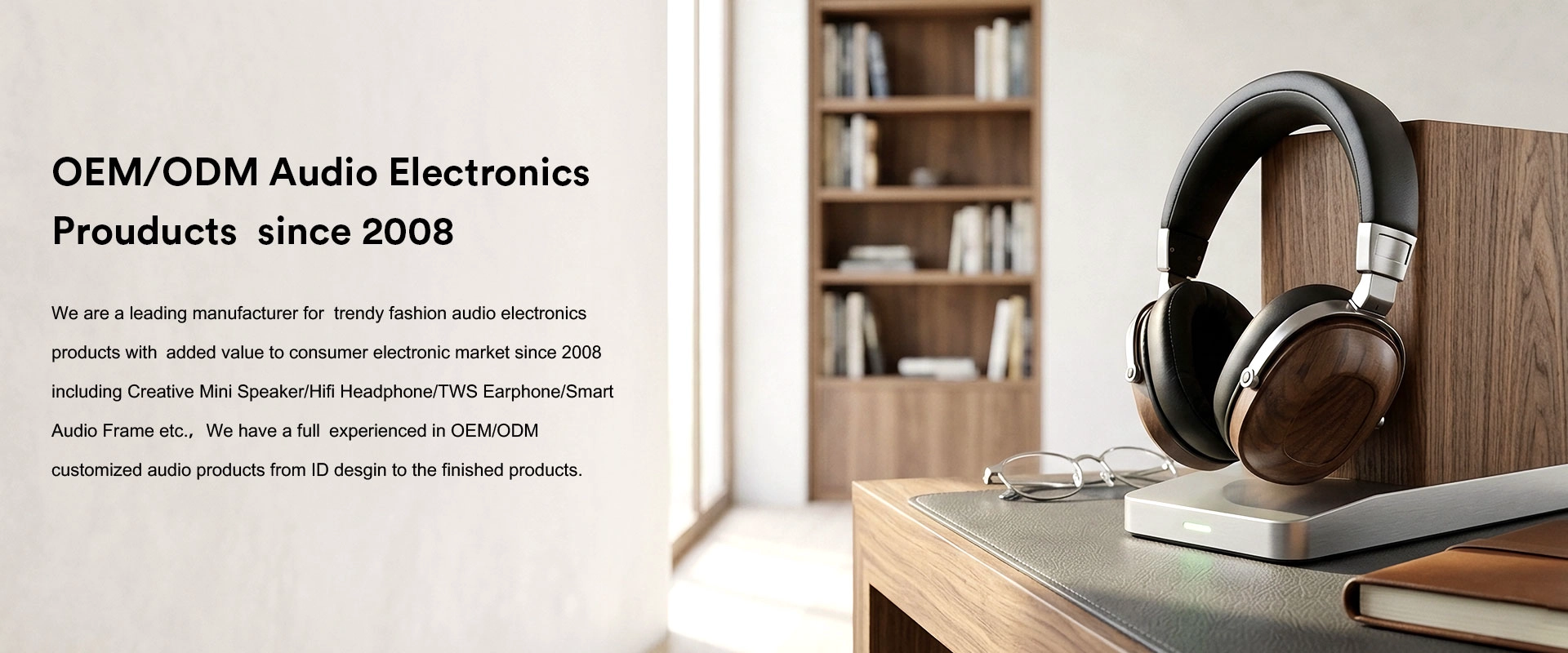
Bluetooth wood headphones, wooden Bluetooth headphones, wood and metal headphones, Bluetooth on-ear headphones, China headphone manufacturer, OEM Bluetooth headphones, ODM headphone manufacturer, private label headphones, Qualcomm aptX headphones, 40mm dynamic driver headphones, custom wireless headphones, headphone product development, China audio manufacturer
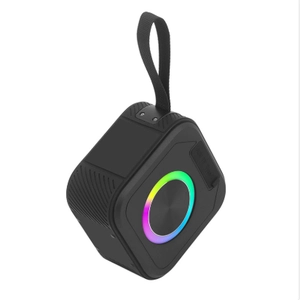
The China Waterproof Portable Bluetooth Speaker combines durable design with versatile audio performance for outdoor and everyday use. Featuring Bluetooth 5.3, hands-free calling, TWS connectivity, TF card and AUX support, it offers flexible listening options in a compact ABS and silicone design. With a 1800mAh battery and water-resistant construction, it is suitable for travel, camping, beach outings, and daily entertainment. Jaskey Limited provides OEM/ODM customization services for brands, distributors, and importers seeking reliable portable Bluetooth speaker solutions.
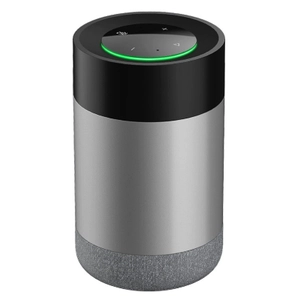
The WiFi Alexa Smart Speaker combines voice control, wireless audio, and smart home connectivity for convenient everyday living. Featuring support for Alexa skills, compatible Tuya smart home devices, multilingual interaction, and app-based control, it offers a practical solution for modern connected homes. With a compact design, 5W speaker output, and 2.4GHz WiFi connectivity, it is suitable for bedrooms, living rooms, and home office environments.
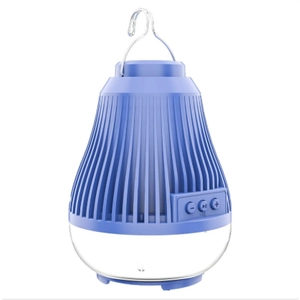
The Outdoor Speaker with Light combines portable audio and ambient lighting in a compact ABS plastic design. Featuring Bluetooth 5.0, USB and TF card playback, a 5W speaker, and a 1200mAh rechargeable battery, it offers versatile entertainment for outdoor activities, home gatherings, camping and travel. With 4–5 hours of working time and multiple playback options, this portable Bluetooth speaker is ideal for retailers, distributors and brands seeking differentiated audio products. OEM/ODM customization and private-label opportunities are available for global markets.
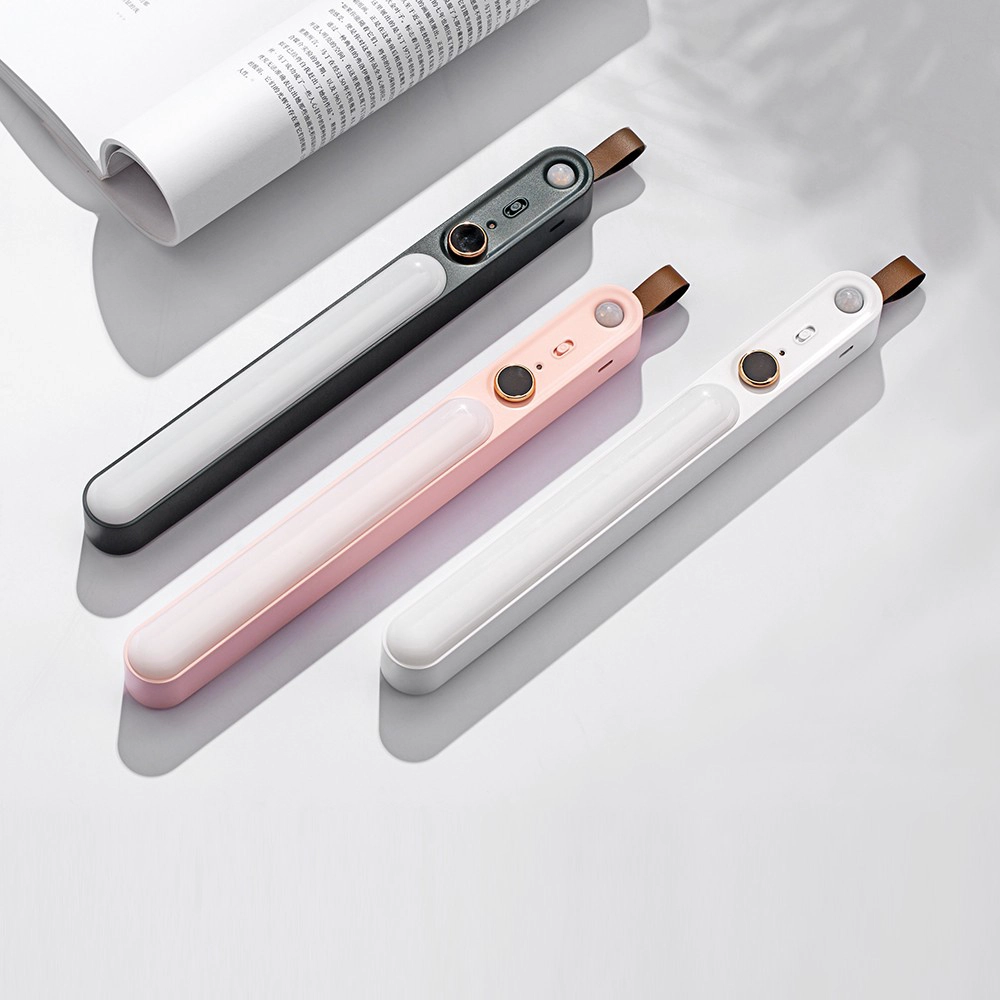
type
1. Incandescent lamp
Modern incandescent light bulbs have coiled tungsten filaments and were commercialized in the 1920s, and were developed from the carbon filament lamps introduced around 1880.
Less than 3% of the input energy is converted into usable light. Almost all the input energy will eventually become heat. In a warm climate, this heat must be discharged from the building through ventilation or air conditioning, which usually leads to more energy consumption. In cold climates that require heating and lighting during cold and dark winters, the by-product of heat has a certain value. Due to the low energy efficiency of incandescent bulbs, many countries are phasing out incandescent bulbs.
In addition to light bulbs for general lighting, there is a very wide range, including low-voltage, low-power types that are commonly used as equipment components, but are now mainly replaced by LEDs.
2. Halogen lamp
It is usually much smaller than standard incandescent lamps, because for successful operation, the bulb temperature is usually required to exceed 200 °C. For this reason, most have a fused silica (quartz) or aluminosilicate glass bulb. This is usually sealed in an additional layer of glass. The outer glass is a safety precaution that reduces ultraviolet radiation and contains hot glass shards when the inner casing explodes during operation.
Due to the accumulation of excessive heat in the contaminated area, the oily residue of fingerprints may cause the hot quartz shell to crack. The risk of burns or fires of bare bulbs is also greater, leading to prohibition of use in some places unless they are enclosed by lamps.
3. Fluorescent lights
It consists of a glass tube that contains mercury vapor or argon at low pressure. The current flowing through the tube causes the gas to release ultraviolet energy. The inside of the tube is coated with phosphor, which emits visible light when irradiated by ultraviolet photons. Their efficiency is much higher than that of incandescent lamps. For the same amount of light produced, they usually use about one-quarter to one-third the power of incandescent lamps.
The efficiency of a typical light-efficiency fluorescent lighting system is 50-100 lumens per watt, which is several times that of incandescent bulbs with comparable light output. Fluorescent lamps are more expensive than incandescent lamps because they require ballasts to regulate the current through the lamps, but lower energy costs usually offset higher initial costs.
4. LED
Solid-state light-emitting diodes (LEDs) are popular as indicator lights in consumer electronics and professional audio equipment since the 1970s. In the 2000s, efficacy and output have risen to the point where LEDs are now used in lighting applications (such as car headlights and brake lights), flashlights and bicycle lights, and decorative applications (such as holiday lighting).
LED indicators are known for their extremely long life span, up to 100,000 hours, but the operation of lighting LEDs is much less conservative and therefore has a shorter lifespan.
LED technology is useful to lighting designers because it has low power consumption, low heat, instant on/off control, and in the case of monochromatic LEDs, color continuity and relatively low manufacturing cost. The life of the LED largely depends on the temperature of the diode.