1. Industry Trends
The global consumer electronics market is undergoing a clear transformation: audio products are no longer designed only for sound performance, but for lifestyle integration and multi-scene usage.
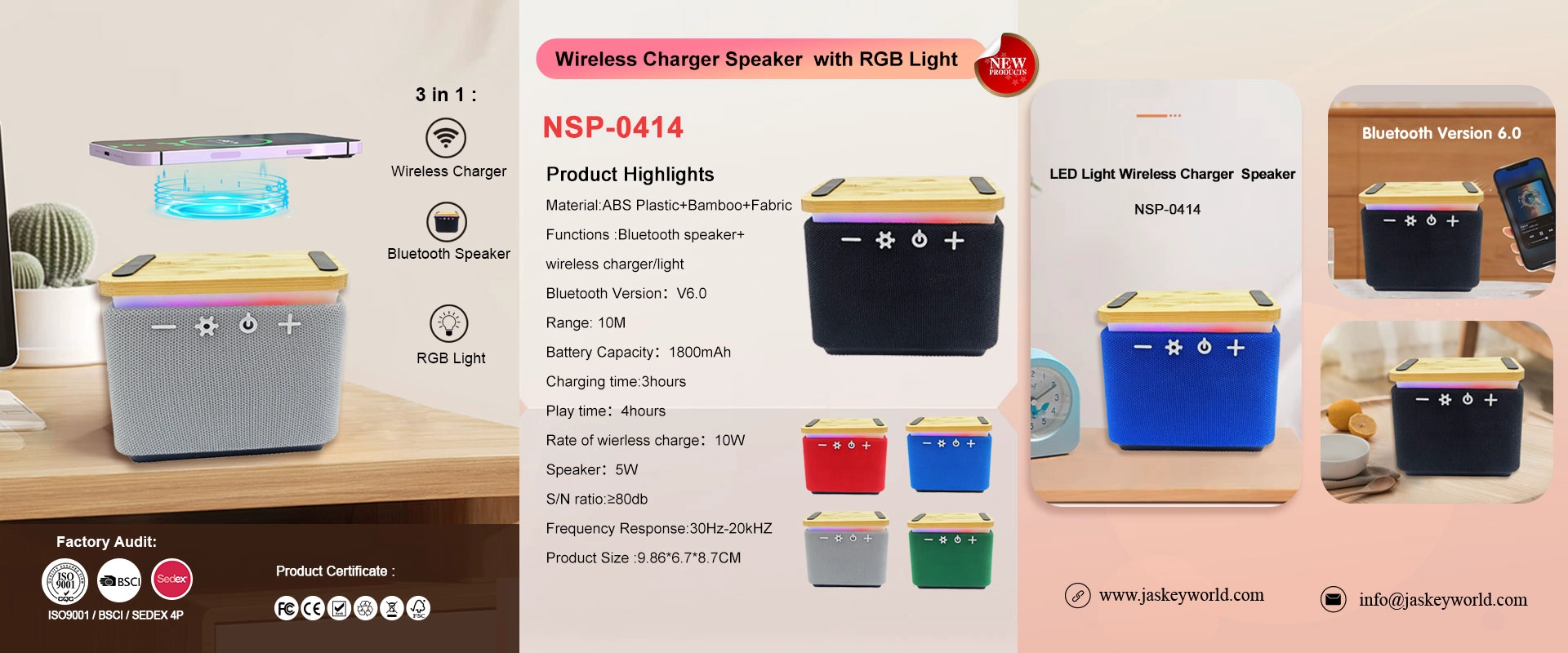
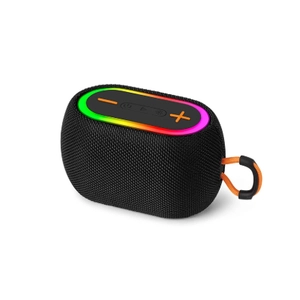
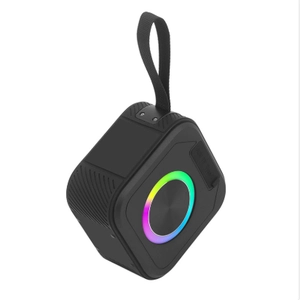
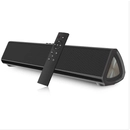
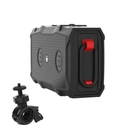
The mini sound bar with phone holder is a strong example of this shift. It combines three user needs into one compact device: immersive audio playback, smartphone positioning for video viewing, and ambient RGB lighting for atmosphere enhancement.
This evolution is driven by modern living habits. More users now consume content on mobile devices, especially in small spaces such as apartments, dorm rooms, and personal workstations. As a result, consumers increasingly prefer compact, multifunctional audio devices that fit into desk setups and daily entertainment routines.
At the same time, short-video platforms such as TikTok, Instagram Reels, and YouTube Shorts have reshaped product visibility. Devices that are visually engaging and multifunctional are more likely to appear in content creation scenarios, making them naturally more viral and marketable.
2. Market Pain Points
Despite rapid category growth, the mini audio device segment still faces several challenges.
The first is high product similarity. Many sound bars in the market share similar structures and basic Bluetooth functionality, making it difficult for brands to create differentiation.
The second issue is limited functional integration. Traditional audio products focus primarily on sound output but ignore how users actually consume media today—especially mobile video viewing and desk-based entertainment.
Another challenge is weak emotional positioning. Many products are still presented as technical devices rather than lifestyle companions, which reduces their appeal in social media-driven markets.
Finally, brands often struggle with balancing cost efficiency and innovation, especially when targeting competitive platforms such as Amazon and cross-border e-commerce channels.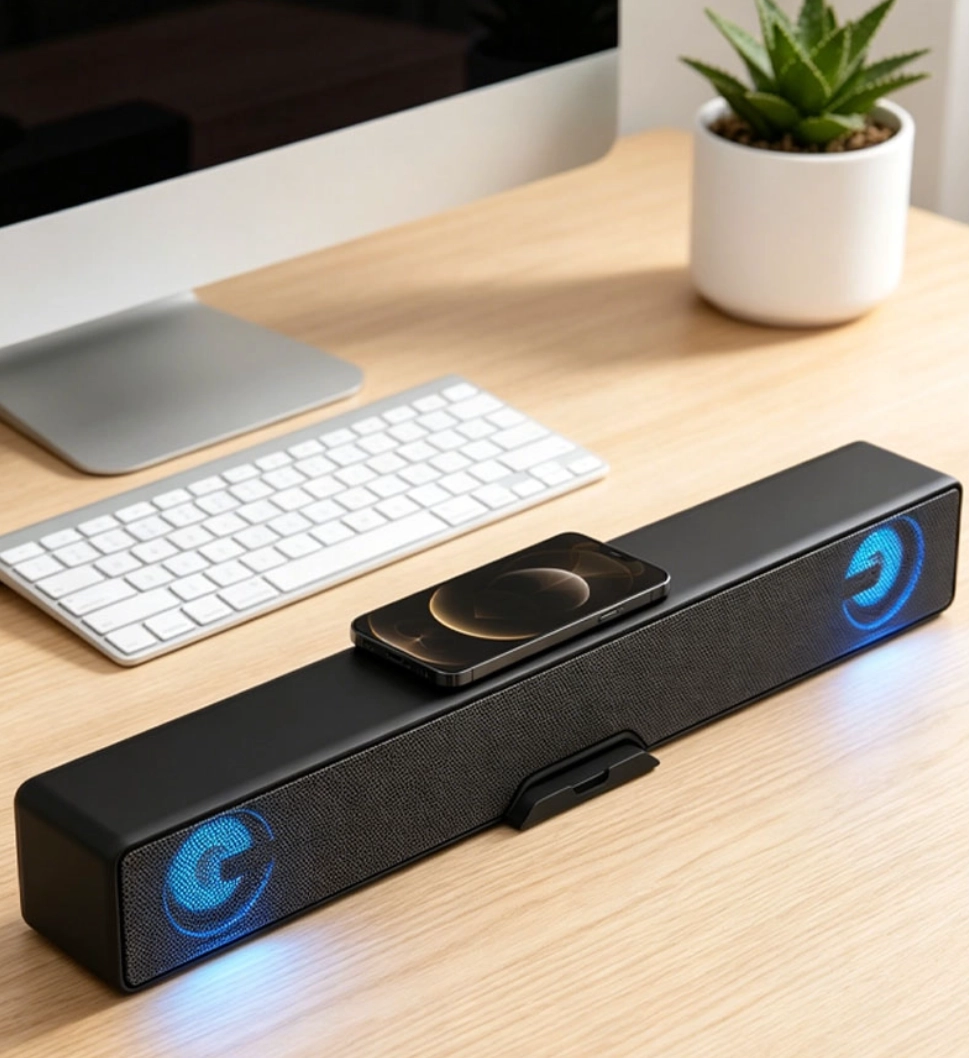
3. Market Opportunities
The growth opportunity for this category is strongly linked to the rise of lifestyle-driven electronics.
Products like mini sound bars with phone holders are becoming popular because they support multiple use cases: music playback, video watching, gaming setups, and desktop decoration.
One key driver is the expansion of desk setup culture, especially among young consumers and remote workers. A clean, compact, and visually enhanced desktop environment has become part of modern lifestyle identity.
Another opportunity comes from social commerce platforms. On TikTok and Instagram, products with RGB lighting and multifunctional design tend to perform well in short-form videos, unboxing content, and “setup tour” trends.
E-commerce platforms such as Amazon and Shopify continue to support global demand for compact home audio solutions, especially in gift, home entertainment, and personal gadget categories.
From a manufacturing perspective, this category also aligns with the growth of private label audio products, where brands seek differentiated designs instead of generic audio hardware.
4. Manufacturer Value (OEM/ODM Perspective)
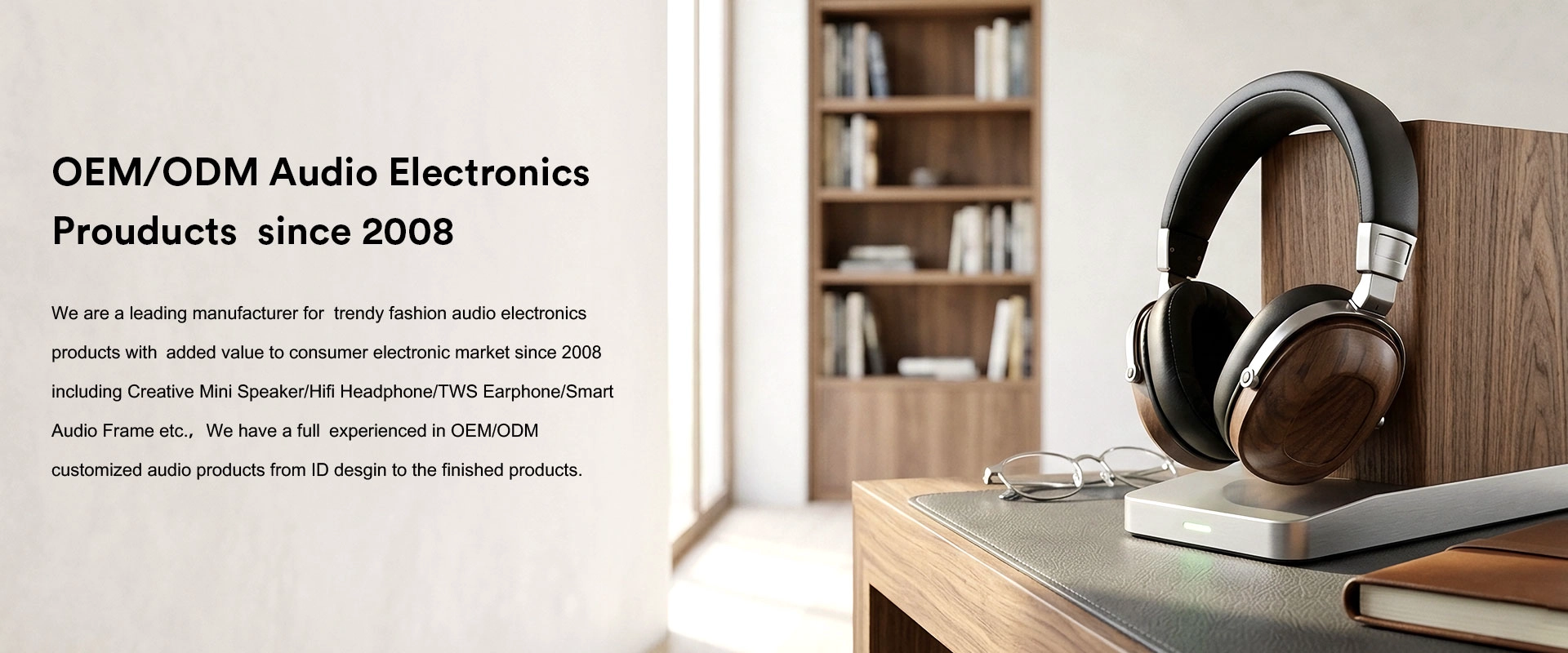
In this evolving market, manufacturers play a critical role not only in production but also in product definition and category innovation.
Modern OEM/ODM capabilities go beyond basic manufacturing. They include:
- Fast product development cycles, enabling new concepts to move from idea to prototype quickly
- Industrial design integration, where aesthetics and functionality are developed together
- Audio tuning capability, ensuring balanced performance across compact acoustic structures
- Multi-function engineering, combining sound, lighting, and device support into unified products
- Market-specific adaptation, adjusting product design for EU, Japan, Korea, and Australia preferences
For brands, this means the ability to launch differentiated products without building in-house engineering teams, while still maintaining control over brand identity and positioning.
Stable supply chain systems and scalable production also support both emerging brands and established retailers in responding quickly to seasonal demand and fast-moving consumer trends.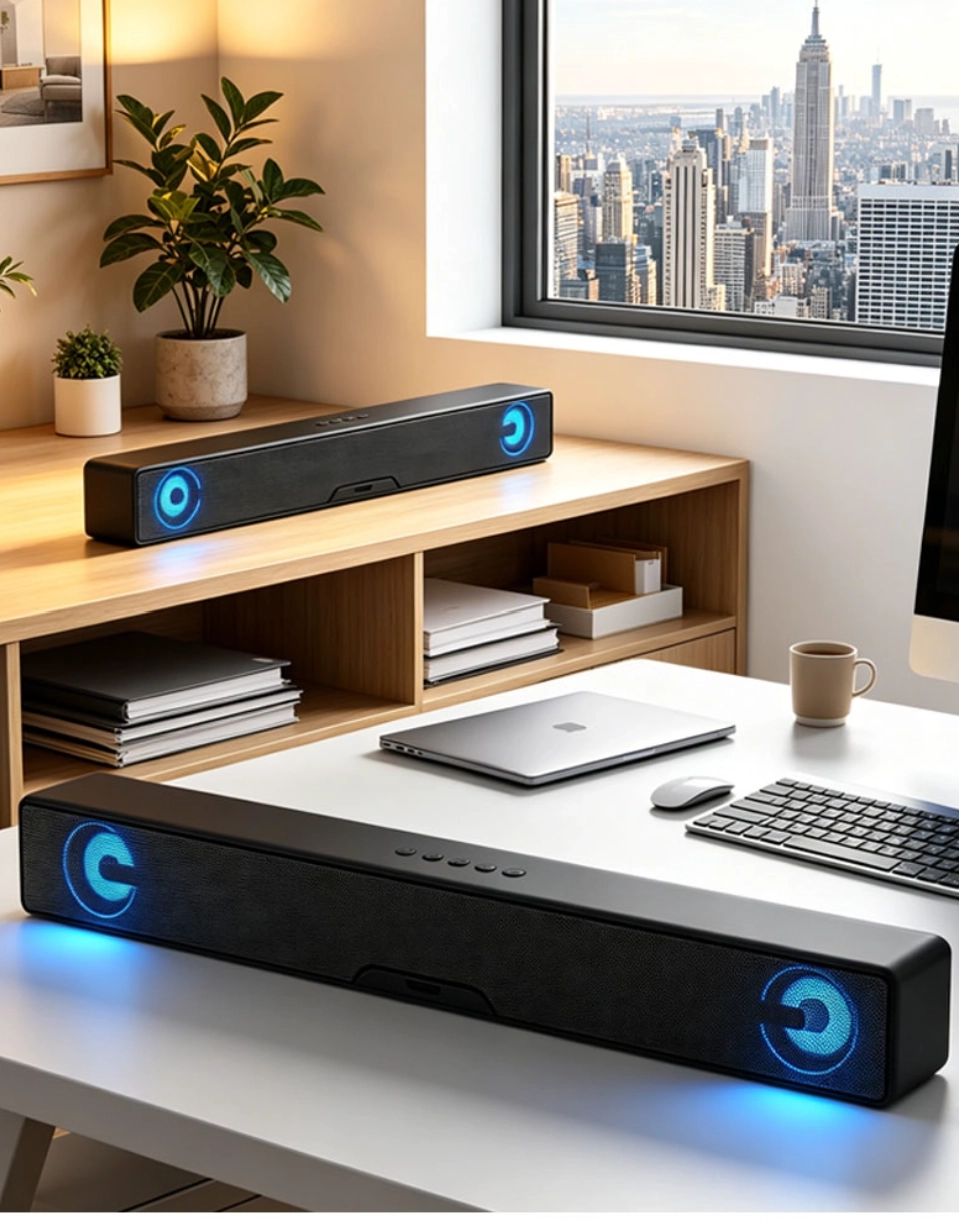
5. Conclusion
The mini sound bar with phone holder reflects a broader transformation in the global audio industry—from single-function devices to multi-functional lifestyle electronics.
As consumer expectations continue to evolve, products that combine entertainment, convenience, and visual appeal will become increasingly important in both online and offline markets.
For brands and distributors, this category offers strong potential in desk audio, home entertainment, and social media-driven retail channels. For manufacturers, it highlights the importance of innovation-driven development, flexible customization, and cross-market product strategy.
In the future, collaboration between global brands and experienced OEM/ODM manufacturers will play a key role in shaping the next generation of lifestyle audio products.